
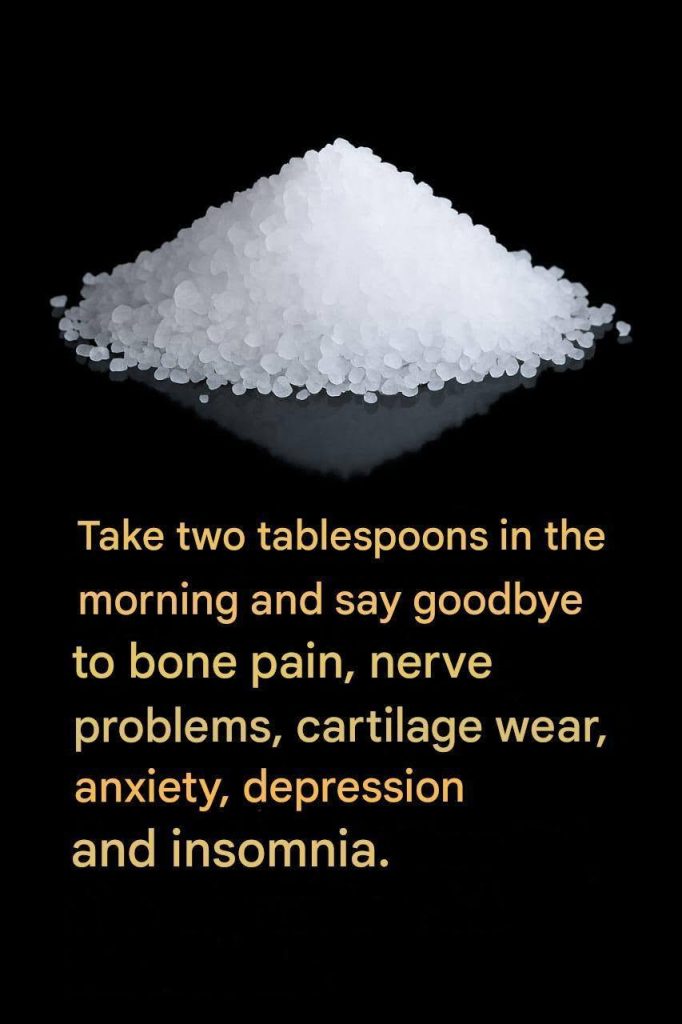
In an era where social media is flooded with claims of miracle cures and viral wellness hacks, it can be difficult to separate medical reality from online exaggeration. Viral graphics often claim that taking “two tablespoons” of a single natural substance—such as coarse sea salt, magnesium flakes, or specialized mineral salts—can instantly cure bone pain, repair cartilage, eliminate nerve issues, and wipe away anxiety, depression, and insomnia.
While essential minerals do play a crucial, foundational role in human biology, relying on exaggerated claims can be dangerous. True physical and mental health recovery requires a grounded, science-based approach.
This comprehensive guide breaks down the actual science behind mineral nutrition, joint health, nervous system support, and mental wellness to help you make safe, informed choices for your body.
The Role of Essential Minerals in Human Health
Minerals are inorganic elements that your body needs to function properly. While you do not need a massive dosage to thrive, maintaining optimal levels of key minerals is vital for core bodily functions.
Key Minerals for Bones, Nerves, and Mood
-
Magnesium
Magnesium is involved in over 300 biochemical reactions in the human body. It plays a major role in muscle contraction, nerve signal transmission, bone matrix density, and the regulation of neurotransmitters like GABA, which promotes relaxation and sleep.
-
Calcium
Calcium is essential for building and maintaining strong bones and teeth. It also enables blood clotting, muscle movement, and nerve communication throughout the central nervous system.
-
Potassium and Sodium
These electrolytes balance cellular fluid levels, facilitate muscle contractions, and ensure proper nerve signaling. However, excessive sodium intake (such as consuming large amounts of table or sea salt) can lead to severe cardiovascular complications, high blood pressure, and kidney strain.
-
Zinc and Trace Minerals
Zinc supports immune function, tissue repair, and cartilage preservation, while trace elements like manganese and copper support collagen production within connective tissues.
Separating Viral Claims from Medical Reality
Viral internet claims often take real scientific principles—like the importance of mineral intake—and exaggerate them into unrealistic “instant fixes.”
Can Two Tablespoons Fix Bone Pain and Cartilage Wear?
No single mineral or salt can instantly reverse cartilage degradation or cure arthritis. Cartilage wear is a structural process that occurs over years. While adequate nutrition, joint-supportive supplements (like collagen or glucosamine), and weight management help slow joint degradation, consume extreme doses of raw minerals or salt will not rebuild worn joints and can severely damage your digestive tract and kidneys.
Can Minerals Eliminate Anxiety, Depression, and Insomnia?
Substances like magnesium can assist in promoting relaxation and improving sleep quality if an individual suffers from a mild mineral deficiency. However, clinical mental health conditions such as major depression and generalized anxiety disorders are complex conditions involving neurochemistry, genetics, life events, and psychology. They cannot be “cured” simply by eating spoonfuls of a natural mineral or salt.
Safe Strategies to Improve Joint, Nerve, and Sleep Health
Instead of risking your health with unverified internet remedies, implementing evidence-based lifestyle changes can yield long-term improvement in your quality of life.
Supporting Joint and Bone Integrity
-
Focus on Nutrient-Dense Foods: Incorporate leafy greens, nuts, seeds, wild-caught fish, and dairy or fortified plant products into your daily diet.
-
Low-Impact Exercise: Activities like swimming, cycling, and walking strengthen the muscles supporting your joints without placing excessive stress on cartilage.
-
Weight Management: Reducing excess body weight significantly lowers mechanical stress on knees, hips, and the lower back.
Optimizing Nerve and Mental Wellness
-
Prioritize Sleep Hygiene: Maintain a consistent sleep schedule, limit screen time before bed, and ensure your bedroom is cool and dark.
-
Practice Stress Reduction: Techniques such as deep breathing exercises, daily movement, and mindfulness help regulate stress hormones like cortisol.
-
Professional Guidance: Always consult a healthcare provider for persistent nerve pain, numbness, severe insomnia, or clinical anxiety.
Financial, Insurance, and Legal Aspects of Health Management
Managing chronic pain, joint issues, or mental health challenges often requires formal healthcare intervention. Navigating these treatments involves understanding your options within the broader healthcare ecosystem.
Medical Health Insurance and Specialist Care
When facing severe joint wear or chronic nerve pain, self-treating at home can delay necessary medical care. Quality health and medical insurance coverage ensures access to specialized care, including physical therapy, orthopedic evaluations, and diagnostic imaging (such as MRIs or X-rays). Early diagnostic testing can prevent long-term disability and costly surgical procedures down the road.
Financial Planning and Medical Bills
Managing chronic illness can present significant finance challenges. Exploring low-interest medical loan options, utilizing Health Savings Accounts (HSAs), or working with financial planners can help manage out-of-pocket healthcare expenses. Setting aside dedicated emergency funds ensures that unexpected medical bills do not compromise your long-term investment or retirement savings.
Legal Considerations for Medical Products
It is essential to be cautious when purchasing unregulated supplements or online “miracle cures.” In many cases, misleading claims violate consumer protection laws. Consulting a legal professional or consumer protection attorney may be necessary if an unregulated supplement causes severe health complications or financial loss due to deceptive marketing practices.
Practical Tips for Evaluating Online Health Claims
-
Check the Source: Look for information verified by accredited medical institutions, universities, or board-certified healthcare professionals.
-
Beware of “Miracle Cures”: Anything claiming to instantly cure multiple unrelated conditions (e.g., joint pain AND insomnia AND depression) is almost certainly a marketing gimmick.
-
Consult Your Doctor: Before starting any high-dose mineral routine or dietary supplement, discuss it with your primary care physician to avoid dangerous interactions with existing medications.
Conclusion: Sustainable Wellness Over Quick Fixes
While essential minerals are vital components of a healthy body, there are no shortcuts to treating chronic pain, joint wear, or mental health conditions. Relying on viral remedies promising instant relief can pose severe risks to your cardiovascular and digestive systems. By focusing on balanced nutrition, regular movement, proper medical care, and sound financial planning for your healthcare needs, you can protect your long-term health safely and effectively.
Frequently Asked Questions (FAQ)
1. Is taking two tablespoons of salt or minerals safe?
No. Consuming two tablespoons of salt or unrefined mineral salts in a single sitting provides a dangerous level of sodium, which can lead to severe dehydration, high blood pressure, stomach irritation, and potential kidney damage.
2. How does magnesium help with sleep and muscle cramps?
Magnesium helps regulate neurotransmitters that quiet the nervous system and relaxes muscle fibers. Supplementing with modest, medically safe amounts of magnesium can improve sleep quality for individuals with a deficiency.
3. What is the best way to protect joint cartilage naturally?
Maintaining a healthy body weight, engaging in low-impact resistance training, staying hydrated, and consuming an anti-inflammatory diet rich in omega-3 fatty acids and antioxidants are effective ways to support joint longevity.
4. When should I see a medical doctor for bone or nerve pain?
You should see a healthcare provider if your pain is persistent, severe, accompanied by numbness, weakness, or swelling, or if it interferes with your daily activity and sleep.
5. Does health insurance cover physical therapy for joint and nerve issues?
Most comprehensive medical insurance plans cover physical therapy and specialist visits, though copays, deductibles, or pre-authorizations may apply depending on your provider and policy.
Scroll down to explore more related articles.
