
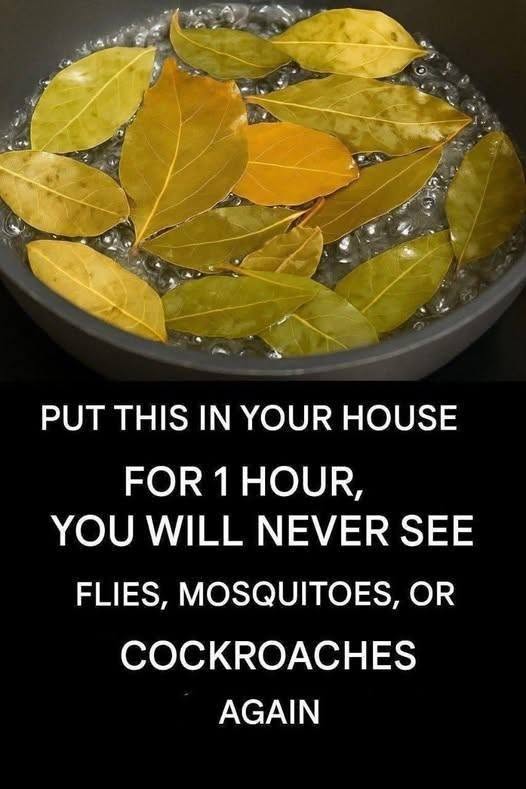
Few things are more frustrating than sharing your living space with unwanted household pests like flies, mosquitoes, or cockroaches. In search of safe, chemical-free alternatives to commercial insecticides, millions of homeowners turn to viral home remedies. One of the most popular hacks circulating online claims that boiling bay leaves and placing them around your house for just one hour will permanently eradicate flies, mosquitoes, and cockroaches.
While natural botanical remedies carry a long history of traditional use, separating viral exaggeration from proven scientific effectiveness is vital for real pest management.
This comprehensive guide explores the science behind bay leaves, how essential oils interact with household insects, realistic pest control strategies, and how to protect your home environment long-term.
The Science of Bay Leaves as a Pest Deterrent
Bay leaves (Laurus nobilis) have been used for centuries not only as a culinary staple but also as a traditional natural pest repellent. The key to their insect-repelling reputation lies in their aromatic organic compounds.
Active Compounds in Bay Leaves
-
Eucalyptol (1,8-Cineole): This volatile compound gives bay leaves their distinct herbal scent. Eucalyptol is a known natural insect repellent that affects the olfactory receptors of certain bugs.
-
Linalool and Alpha-Pinene: Additional aromatic hydrocarbons present in bay leaves that exhibit mild repellent properties against specific flying insects and stored-grain pests.
Does Boiling Bay Leaves Work?
When you boil dried or fresh bay leaves in water, the heat releases these volatile essential oils into the air along with steam.
-
The Reality: The aromatic steam can temporarily mask odors that attract pests and create a environment that flying insects find unappealing.
-
The Myth: Boiling bay leaves for one hour will not permanently eliminate pests, destroy insect eggs, or solve an active infestation of cockroaches or mosquitoes. Volatile oils dissipate quickly once the steam cools, requiring continuous, comprehensive pest management strategies.
Efficacy Breakdown: Mosquitoes, Flies, and Cockroaches
Different pests react to natural repellents in vastly different ways. Understanding how specific insects behave helps manage expectations.
1. Mosquitoes
Mosquitoes locate human targets primarily through carbon dioxide emissions, body heat, and lactic acid. While concentrated eucalyptus or eucalyptol oils can act as topical spatial repellents, mild bay leaf steam only offers short-lived localized interference. It will not prevent mosquito bites in an open room once the steam settles.
2. Houseflies and Fruit Flies
Flies are heavily driven by smell, seeking out decaying organic matter, ripe fruit, and standing water. Diffusing herbal aromas like bay leaf, peppermint, or lemongrass can temporarily deter flies from landing on immediate surfaces, but it does not remove the underlying breeding sources attracting them to your kitchen.
3. Cockroaches
Cockroaches are among the most resilient urban pests. While crushing dry bay leaves releases eucalyptol—which cockroaches dislike and may avoid in enclosed corners—steam or crushed leaves will not destroy a cockroach nest, kill eggs, or force a established colony out of wall cavities.
Integrated Pest Management (IPM): Proven Home Solutions
Rather than relying solely on single-item home remedies, professional entomologists recommend an Integrated Pest Management (IPM) approach to eliminate pests safely and permanently.
Step 1: Sanitation and Source Elimination
-
Eliminate Standing Water: Fix leaking pipes beneath sinks and remove standing water in plant trays to stop mosquito breeding.
-
Secure Food Supplies: Store pantry items, grains, and dry pet food in airtight glass or thick plastic containers.
-
Daily Garbage Management: Use sealed trash cans and discard food waste daily to prevent attracting flies and cockroaches.
Step 2: Physical Exclusion
-
Seal Gaps and Cracks: Use silicone caulk to seal entry points around baseboards, pipe penetrations, and window frames where cockroaches and ants enter.
-
Repair Window Screens: Ensure tight-fitting mesh screens on all windows and doors to block mosquitoes and houseflies.
Step 3: Targeted Natural and Safe Deterrents
-
Diatomaceous Earth (Food Grade): A safe, natural powder that damages the exoskeleton of crawling insects like cockroaches and ants, causing them to dehydrate naturally.
-
Essential Oil Diffusers: Using concentrated essential oils like peppermint, tea tree, or citronella in diffusers provides a longer-lasting natural fragrance barrier than simple boiling water.
Financial, Legal, and Property Considerations
Unchecked pest infestations can lead to property damage, structural issues, and significant remediation costs.
Property Values and Extermination Costs
Severe infestations, particularly of wood-boring insects or pervasive cockroach colonies, can impair residential property value. Standard home insurance policies generally classify pest control under routine home maintenance, meaning property damage or extermination expenses are rarely covered. Homeowners dealing with widespread infestations must budget out-of-pocket expenses or explore flexible personal finance options, such as a low-interest personal loan, to fund professional extermination services.
Tenant Rights and Property Management Law
For renters living in apartments or residential complexes, pest management involves legal protections. Municipal housing codes generally mandate that landlords maintain habitable premises free from insect vectors. If a landlord fails to address structural pest issues after notification, consulting a housing attorney or tenant protection legal advocate can help clarify rights regarding lease obligations and habitability standards.
Practical Tips for Safe Home Care
-
Combine Natural Methods: Use bay leaves in pantries alongside airtight food storage for preventative deterrence.
-
Avoid Unsafe Hacks: Never burn dry bay leaves indoor without proper ventilation, as smoke inhalation poses respiratory risks.
-
Know When to Call Professionals: If you observe signs of an active nest, widespread droppings, or daytime cockroach activity, consult a licensed pest control specialist rather than relying on home remedies.
Conclusion: Natural Support, Not a Miracle Cure
Boiling bay leaves is a pleasant, natural way to freshen indoor air and provide temporary, mild deterrence against flying insects. However, claims that a single hour of bay leaf steam will permanently rid your home of flies, mosquitoes, and cockroaches are far from reality. Achieving a truly pest-free home requires consistent sanitation, proper structural sealing, and evidence-based pest control methods.
Frequently Asked Questions (FAQ)
1. Do bay leaves kill cockroaches?
No. Bay leaves do not kill cockroaches. They contain natural compounds like eucalyptol that cockroaches dislike, which may cause them to avoid specific areas, but it will not eliminate an infestation.
2. How long does the repellent effect of boiling bay leaves last?
The repellent effect lasts only as long as the steam and volatile oils remain active in the air, typically an hour or two. Once the aroma dissipates, insects will return if attractants remain present.
3. Is boiling bay leaves safe for pets?
While boiling bay leaves in water to create steam is generally harmless, concentrated ingestion of whole bay leaves can pose a choking hazard or digestive blockage risk for dogs and cats. Keep leaves out of reach of pets.
4. Does home insurance cover pest extermination?
No. Most standard property insurance policies consider pest management to be a standard home maintenance responsibility, so extermination services are paid out-of-pocket.
5. What is the most effective natural way to repel mosquitoes indoors?
Combining physical window screens with spatial repellents—such as essential oil diffusers utilizing citronella, lemongrass, or eucalyptus oil—is far more effective than steam remedies.
