
Finding yourself locked out of your home, apartment, or vehicle is one of the most frustrating, inconvenient, and stressful situations a person can experience. Whether caused by a brief moment of distraction, a misplaced keychain, or a door latching automatically behind you, lockouts often happen at the worst possible times.
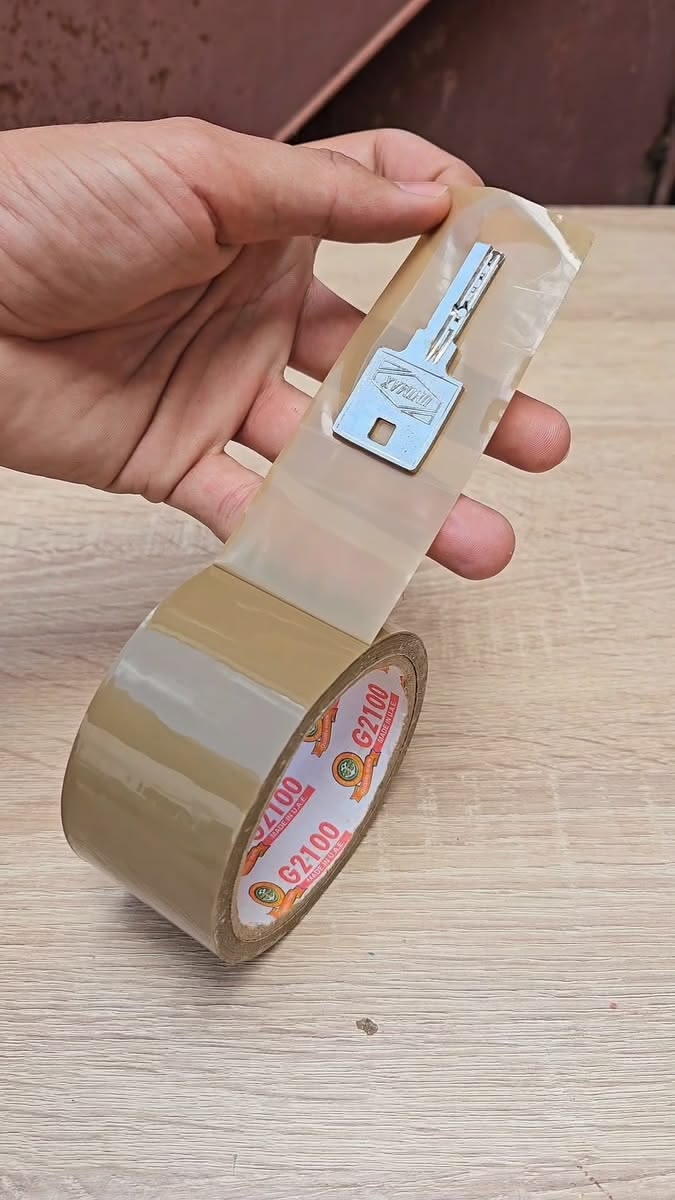
In response to this universal domestic headache, viral life hacks and DIY survival tips frequently showcase clever tricks to secure, hide, or duplicate spare keys using everyday household supplies. One viral visual hack demonstrates using clear heavy-duty packaging tape to secure a spare house key directly to a backing strip—or copying key bitting profiles using tape, soot, and thin metal sheets. While these creative hacks offer temporary solutions during emergency situations, understanding proper key duplication, safe hide-a-key strategies, and physical home security principles is essential for protecting your property. Here is a comprehensive guide to understanding tape key hacks, emergency lockout protocols, smart key storage options, and essential home insurance and legal safeguards.
Understanding the Tape Key Hack: Emergency Duplication and Storage
Viral videos often highlight two primary uses involving heavy-duty adhesive tape and door keys:
1. Temporary Impression Copying (The Soot and Tape Method)
This DIY locksmithing trick is often demonstrated as an emergency survival hack when a duplicate key is urgently needed but no hardware store or locksmith is nearby:
-
Creating the Template: The original key is heated over a small flame (such as a candle or lighter) until a thin layer of dark black soot covers the metal blade.
-
Lifting the Bitting Profile: A piece of clear adhesive tape is pressed firmly onto the soot-covered key and carefully peeled off, leaving an exact black outline of the key’s cuts and pins.
-
Cutting a Temporary Key: The tape impression is smoothed onto a thin, sturdy sheet of plastic (such as an old credit card or plastic lid) or soft aluminum, and carefully cut out with sharp shears or a utility knife.
While a plastic or thin aluminum copy can occasionally bypass simple low-security cylinder pins in an absolute emergency, these flimsy substitutes break easily inside keyways and should never replace proper metal duplicates.
2. Concealed Spare Key Taping
Another widespread practical application involves using industrial-grade, weather-resistant tape (such as heavy-duty duct tape or outdoor mounting tape) to secure a flat spare key to hidden surfaces around a home exterior. Taping a flat key to the underside of outdoor vinyl siding, behind a metal gutters, or underneath a sturdy porch beam keeps the key off the ground and out of sight.
The Risks of Poor Key Hiding Practices: Home Security Essentials
While having access to a hidden spare key offers peace of mind, traditional hiding places are well known to experienced burglars and intruders.
Common Hiding Spots to Avoid
-
Underneath the Front Door Mat: This is the first place an intruder inspects. Leaving a key under a welcome mat is equivalent to leaving your front door unlocked.
-
Inside Fake Rocks near the Entrance: Commercial plastic “hide-a-key” rocks placed directly next to front porches or flower beds stand out easily to experienced onlookers.
-
Above the Door Frame: Reaching up to feel along the top ledge of an exterior door frame is a standard routine for unauthorized visitors.
Smarter, Secure Storage Alternatives
-
Combination Lockboxes: Mount a heavy-duty, weather-resistant combination key safe to a discreet, well-lit wall or fixture away from direct street view.
-
Smart Electronic Deadbolts: Transitioning to keyless digital door locks equipped with keypad codes, fingerprint scanners, or smartphone app access eliminates the need for physical spare keys entirely.
-
Trusted Neighbor Network: Leaving a spare key with a trusted neighbor, relative, or nearby friend remains one of the safest methods for emergency access.
Homeowners Insurance, Financial Planning, and Legal Services
Securing your home physical entrance points connects directly with broader domestic financial protection, insurance validity, and legal safety.
1. Homeowners and Renters Insurance Protections
Experiencing a burglary or property break-in involves navigating insurance coverage and policy clauses:
-
Unforced Entry Considerations: Some insurance providers closely investigate theft claims where no signs of forced entry exist. If an intruder finds a hidden spare key under a doormat or taped in plain sight, insurance adjusters may scrutinize the claim.
-
Maintaining Adequate Property Coverage: Holding comprehensive homeowners or renters insurance protects personal belongings, electronics, and home structures against theft, vandalism, or property damage.
2. Lease Agreements and Legal Protections for Renters
When renting an apartment or single-family home, managing keys involves clear contractual obligations:
-
Reviewing Lease Key Clauses: Most residential leases strictly prohibit unauthorized lock changes or duplicating master keys without landlord approval.
-
Consulting Legal Services: If landlord-tenant disputes arise regarding security deposit deductions or unreturned keys, seeking advice through tenant advocacy groups or professional legal services ensures your rights are protected. Working alongside a qualified attorney resolves legal disputes effectively.
3. Personal Finance and Home Mortgages
Protecting home assets aligns with long-term household financial management:
-
Managing Home Values: Investing in high-security deadbolts, smart home security systems, and robust locks preserves home security and value, protecting your primary real estate investment.
-
Budgeting for Household Needs: Managing routine maintenance costs—such as rekeying locks after moving into a new property—supports overall household finance planning alongside home mortgage commitments and retirement savings.
Health, Emergency Preparedness, and Personal Safety
Getting locked out during extreme weather conditions—such as freezing winter temperatures or intense summer heatwaves—poses immediate physical health risks:
-
Preventing Environmental Exposure: Exposure to freezing temperatures while waiting for a locksmith can lead to rapid hypothermia or frostbite. Always seek shelter inside a neighbor’s home or a warm vehicle while awaiting emergency assistance.
-
Health and Medical Coverage: Maintaining active health and medical insurance guarantees access to urgent medical care should unexpected environmental exposure or accidental injuries occur during a lockout.
-
Securing Life Insurance: Comprehensive family protection includes holding personal life insurance policies to safeguard loved ones against unpredictable life emergencies.
Fascinating Facts About Locks and Keys Throughout History
-
Ancient Egyptian Locks: The earliest known pin-tumbler locks were invented by ancient Egyptians over 4,000 years ago! Made entirely of wood, these large locks used heavy wooden pins that dropped into holes inside a wooden bolt.
-
The Linus Yale Revolution: In the mid-19th century, American inventor Linus Yale Jr. revolutionized lock design by inventing the modern flat cylinder pin-tumbler lock and flat serrated key still used worldwide today.
-
Key Bitting Code: The unique pattern of ridges and valleys on a key blade corresponds to precise numerical depth codes (bitting numbers) that align internal pins inside the lock cylinder.
-
Master Keying Systems: In large commercial buildings, master key systems utilize dual shear lines within lock cylinders, allowing individual change keys to open single doors while a master key opens every door in the building.
Practical Step-by-Step Actions for Handling a Home Lockout
If you find yourself locked out without a spare key, follow these practical steps to regain access safely:
-
Check All Alternative Entrances: Walk around your property and check secondary ground-floor doors, patio sliders, or garage side doors.
-
Call a Nearby Family Member or Friend: Contact anyone who holds a secondary copy of your key before attempting aggressive DIY methods.
-
Contact Your Property Manager (If Renting): Landlords and apartment maintenance crews usually keep master keys or spare sets on site for tenant emergencies.
-
Hire a Licensed, Vetted Locksmith: If no secondary keys are available, contact a certified, professional locksmith. Always request a clear cost quote before work begins to avoid roadside lock-out scams.
-
Avoid Breaking Windows or Forcing Doors: Attempting to kick open doors or break window glass often results in severe physical injury and thousands of dollars in property damage—far exceeding the cost of a professional locksmith service.
Final Thoughts
While viral DIY tape hacks offer a fascinating look at basic impression mechanics, relying on flimsy plastic duplicates or poorly hidden spare keys can compromise your home security. By investing in secure combination lockboxes, smart keyless deadbolts, or keeping a spare key with a trusted neighbor, you can ensure quick emergency access while keeping your home and family safe, secure, and fully protected.
Frequently Asked Questions (FAQ)
Can you really make a working duplicate key using clear tape and plastic?
While pressing a soot-and-tape key outline onto soft plastic or thin metal can theoretically operate simple, loose-tolerance locks in an absolute emergency, flimsy plastic keys break easily inside keyways and do not work on high-security deadbolts.
Where is the safest place to hide a spare house key outside?
The safest option is placing a spare key inside a heavy-duty, combination key safe bolted to a discreet wall away from direct street view. Alternatively, leaving a key with a trusted neighbor is far safer than hiding it on the ground.
What should you do first if you get locked out of your house?
First, check all alternate ground-floor entry doors and windows safely. Next, call a family member, neighbor, or property landlord who holds a spare key. If no options remain, contact a licensed professional locksmith.
Does insurance cover the cost of a professional locksmith?
Many comprehensive homeowners insurance, renters insurance, or auto insurance policies offer optional roadside or home emergency assistance coverage that reimburses part or all of professional locksmith fees.
