
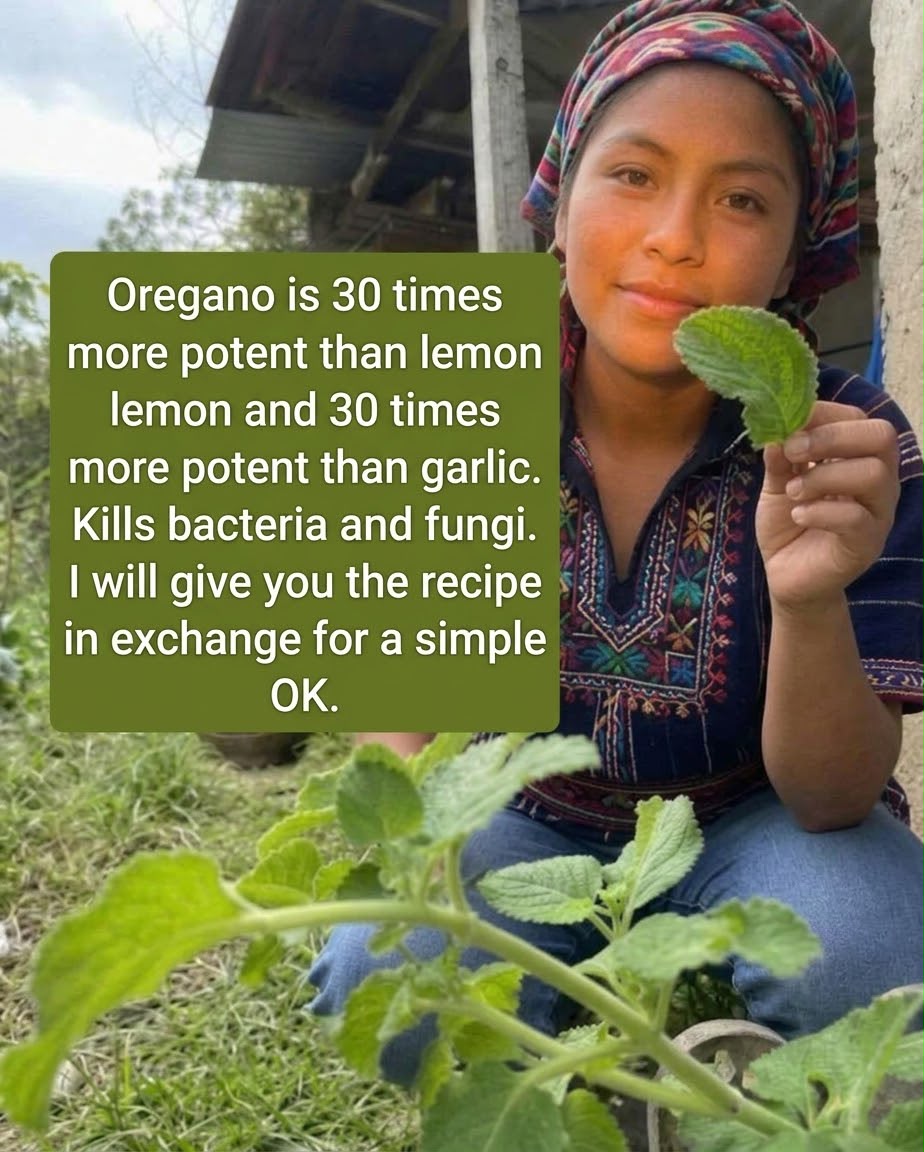
For generations, traditional healers and herbalists across the world have relied on aromatic plants not just to flavor food, but as potent natural remedies for everyday wellness. Among these herbs, oregano—and specifically broad-leaf varieties such as Mexican oregano (Lippia graveolens) and Cuban oregano (Plectranthus amboinicus)—holds a revered place in holistic health culture. Recent interest on social media has highlighted claims that oregano oil and extracts possess extraordinary antimicrobial properties, with viral posts asserting that it is “30 times more potent than lemon and garlic” at fighting bacteria and fungi.
While internet exaggerated claims should always be evaluated through a lens of scientific rigor, modern biochemical research does confirm that oregano contains remarkably high concentrations of active antimicrobial and antioxidant compounds. Specifically, phenolic substances like carvacrol and thymol give oregano exceptional therapeutic potential.
In this deep-dive guide, we will explore the science behind oregano’s potent plant compounds, examine how it compares to other natural powerhouses like garlic and lemon, provide traditional home recipes, and discuss essential safety practices for incorporating herbal remedies into your lifestyle.
The Science of Oregano: Why Active Compounds Matter
To understand why oregano is considered a natural powerhouse, it helps to examine its biochemical makeup. Unlike standard culinary herbs used strictly for culinary aroma, oregano species contain dense concentrations of volatile essential oils.
Carvacrol: The Primary Antimicrobial Agent
Carvacrol is a natural phenol that gives oregano its distinct warm, pungent aroma. In laboratory settings (in vitro studies), carvacrol has demonstrated powerful antibacterial properties by disrupting the outer lipid membranes of harmful bacteria, making it harder for microbes to survive and replicate.
Thymol: Natural Antifungal and Antiseptic Protection
Thymol, another major compound found in high-grade oregano essential oil, works synergistically with carvacrol. Known for its strong antiseptic and antifungal activity, thymol is frequently studied for its ability to inhibit fungal growth, including Candida species and mold pathogens.
Rosmarinic Acid: A Potent Antioxidant
Beyond fighting microbes, oregano is packed with rosmarinic acid, a formidable antioxidant that neutralizes oxidative stress and free radicals in the body. Pound for pound, fresh oregano exhibits higher total antioxidant activity than many fresh fruits and vegetables.
Comparing Natural Remedies: Oregano vs. Garlic vs. Lemon
While social media memes often frame herbal remedies as a direct competition, comparing oregano to garlic and lemon reveals that each plant offers unique, complementary biological benefits.
| Plant Remedy | Key Active Compound | Primary Health Mechanism | Traditional Use Case |
| Oregano | Carvacrol & Thymol | Membrane disruption in bacteria & fungi | Respiratory comfort & digestive support |
| Garlic | Allicin | Broad-spectrum antimicrobial & vascular support | Cardiovascular health & immune boost |
| Lemon | Vitamin C & Limonene | Immune stimulation & alkalizing antioxidant | System detox & daily hydration |
Oregano vs. Garlic
Garlic owes its antimicrobial power to allicin, a sulfur-containing compound formed when fresh garlic cloves are crushed or chopped. While allicin is an extraordinary natural defender—particularly for cardiovascular health and immune system stimulation—oregano’s essential oils (carvacrol and thymol) often demonstrate higher concentrated antimicrobial potency per drop in laboratory oil extractions.
Oregano vs. Lemon
Lemons are celebrated for their high L-ascorbic acid (Vitamin C) content and bioflavonoids, which bolster white blood cell function and support systemic immunity. However, lemon juice operates primarily through acidity and vitamin delivery, whereas oregano essential oil directly targets bacterial and fungal cell structures.
Traditional Oregano Remedies: Classic Home Recipes
Throughout traditional Latin American and Mediterranean herbal medicine, oregano leaves are prepared into soothing teas, infusions, and steeped oils. Below are two classic, time-tested home preparation methods.
1. Traditional Oregano & Honey Comfort Tea
This warm herbal brew is traditionally consumed during seasonal changes to soothe throat irritation and support upper respiratory wellness.
Ingredients:
-
1 tablespoon fresh wild oregano leaves (or 1 teaspoon dried organic oregano)
-
1 cup filtered water
-
1 teaspoon raw organic honey
-
1 slice fresh lemon
Instructions:
-
Bring filtered water to a gentle boil in a small saucepan.
-
Remove water from heat source and add the oregano leaves.
-
Cover the vessel tightly with a lid to trap the volatile essential oils and steep for 8 to 10 minutes.
-
Strain the liquid into a cup, allow it to cool slightly, and stir in raw honey and a squeeze of fresh lemon. Drink slowly while warm.
2. Infused Culinary & Topical Oregano Oil
Unlike highly concentrated essential oils made via steam distillation, oil infusions are gentle, food-safe extractions that preserve herbal goodness.
Ingredients:
-
1 cup fresh oregano leaves (washed, drained, and dried thoroughly)
-
1 cup high-grade extra virgin olive oil
Instructions:
-
Crush or lightly bruise fresh oregano leaves using a mortar and pestle to release their natural oils.
-
Place leaves into a clean, dry glass jar and pour extra virgin olive oil over them, ensuring the leaves are fully submerged.
-
Seal the jar and place it in a cool, dark cupboard for 2 to 3 weeks, shaking gently every few days.
-
Strain out leaves through cheesecloth into a clean glass bottle. Store in a cool pantry for up to six months.
Integrating Natural Wellness with Modern Healthcare
While traditional herbs provide wonderful everyday wellness support, navigating holistic health requires balancing natural remedies with modern medical expertise.
Protecting Your Health & Financial Peace of Mind
Herbal remedies serve as excellent complementary wellness tools, but they do not replace standard diagnostic testing, emergency medical intervention, or prescribed medications. Maintaining a proactive relationship with qualified healthcare providers ensures that serious infections or chronic illnesses are properly managed.
Proactive health practices—including balanced nutrition, regular exercise, and routine clinical screenings—play a vital role in long-term preventive care. Staying ahead of potential health concerns helps individuals qualify for affordable health insurance coverage, lower out-of-pocket medical expenses, and protect their long-term family finance goals. Integrating smart lifestyle habits with solid insurance protection provides comprehensive physical and economic security for your future.
Fascinating Facts About Oregano
-
Greek Origins: The word “oregano” derives from the Greek words oros (mountain) and ganos (joy), translating literally to “joy of the mountain.” Ancient Greeks believed cows that grazed on wild oregano produced sweeter meat.
-
Ancient Antiseptic: In ancient Egypt, oregano was utilized to preserve food, heal skin wounds, and serve as an ingredient in early mummification processes due to its resistance to bacterial decay.
-
Pizza Craze Boom: In the United States, oregano’s popularity skyrocketed after World War II when American soldiers returned home from Italy with a passion for pizza flavored with dried oregano leaves.
-
Densely Concentrated: It takes approximately 1,000 pounds of fresh oregano plant material to produce just 1 pound of pure, steam-distilled essential oil of oregano.
Conclusion: Embracing the Natural Benefits of Oregano
The viral conversation surrounding oregano, garlic, and lemon highlights a growing global movement toward natural self-care and holistic living. While internet claims should always be understood with practical context, science clearly validates oregano’s place as one of nature’s most potent botanical herbs.
By understanding how active compounds like carvacrol and thymol work, preparing traditional home teas responsibly, and maintaining open communication with healthcare professionals, you can safely enjoy the exceptional health benefits of this ancient, aromatic plant.
Frequently Asked Questions
Is oregano oil really 30 times stronger than garlic?
While viral posts claim oregano is 30 times more potent than garlic or lemon, this comparison usually refers to laboratory tests comparing the minimum inhibitory concentration of pure extracted essential oils against specific bacterial strains. In raw culinary form, both oregano and garlic offer distinct, highly beneficial health mechanisms.
Can you drink oregano tea every day?
Drinking a cup of mild oregano tea daily for short periods (such as during cold season) is generally safe for most healthy adults. However, because oregano contains concentrated active compounds, long-term continuous daily consumption should be discussed with a doctor, especially for individuals on blood thinners or diabetes medications.
What is the difference between oregano essential oil and oregano tea?
Oregano tea is a mild liquid infusion made by steeping leaves in hot water. Pure oregano essential oil, on the other hand, is a highly concentrated steam distillate that should never be consumed undiluted, as it can cause severe mucosal burns or irritation.
Are Mexican oregano and Mediterranean oregano the same plant?
No. Mediterranean oregano (Origanum vulgare) belongs to the mint family (Lamiaceae), while Mexican oregano (Lippia graveolens) belongs to the verbena family (Verbenaceae). While both contain carvacrol, Mexican oregano has a stronger, slightly citrusy flavor profile and higher oil content.
Is oregano oil safe for children and pregnant women?
Pregnant or nursing women and young children should avoid concentrated oregano essential oil supplements due to potential hormonal effects and stomach sensitivity. Always consult a pediatrician or qualified practitioner before administering herbal remedies to children.
