
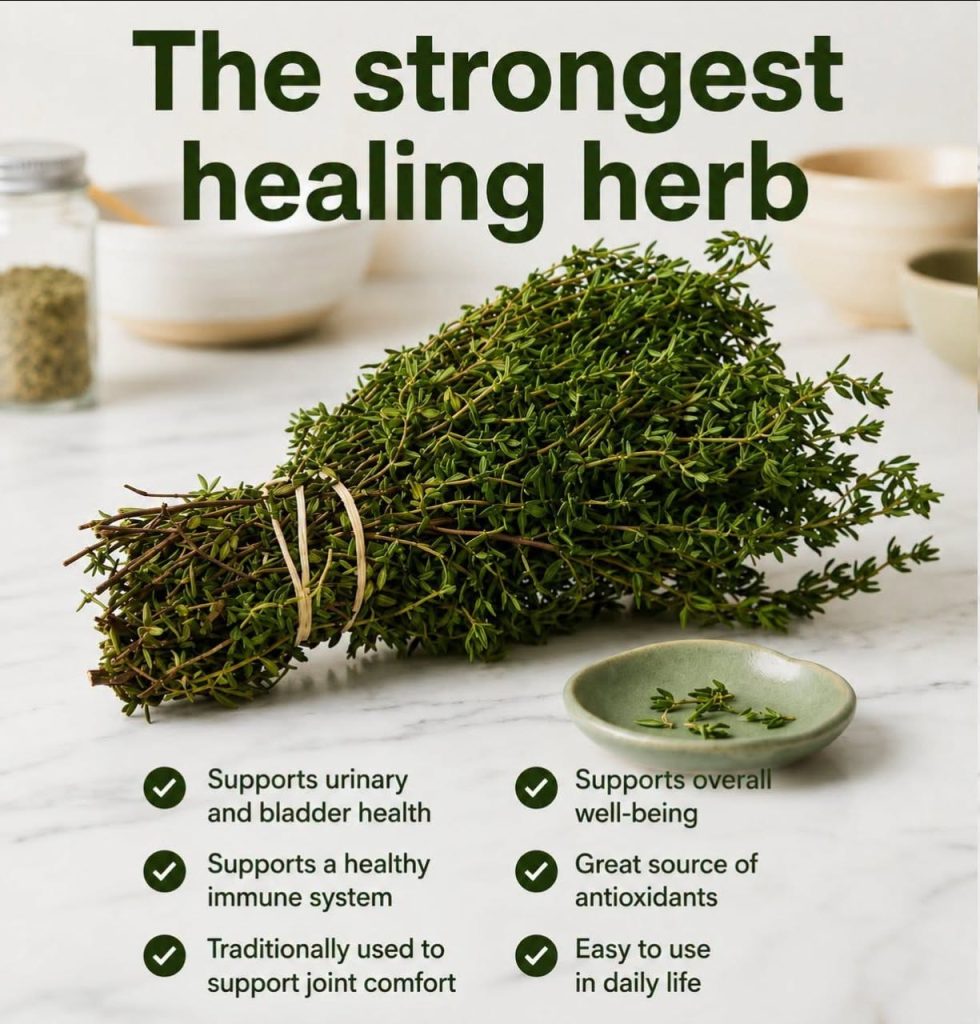
Thyme (Thymus vulgaris) is widely considered one of the most powerful, versatile, and nutrient-dense culinary and medicinal herbs in the world. With its earthy aroma, distinct woody stems, and delicate green leaves, thyme has been revered across Mediterranean, European, and Asian cultures for thousands of years as both a cornerstone of fine cooking and a pillar of traditional herbal medicine.
When you hold a fresh bundle of thyme tied with twine on your kitchen counter, you are holding a concentrated source of essential oils—specifically thymol—alongside potent antioxidants, vitamins, and vital minerals. In this comprehensive guide, we explore the science-backed health benefits of thyme, examine its role in immune defense, urinary tract comfort, and joint support, provide practical culinary and herbal brewing recipes, discuss household budgeting, and review commercial trade and legal standards.
The Phytochemical Profile of Thyme: What Makes It So Powerful?
Thyme belongs to the mint family (Lamiaceae) and derives its potent medicinal qualities from a rich array of volatile essential oils, flavonoids, and active botanical compounds.
Key Active Botanical Compounds
-
Thymol: The primary volatile phenol in thyme essential oil, known for its powerful natural antimicrobial, antibacterial, and antifungal properties.
-
Carvacrol: A bio-active monoterpenoid phenol that works synergistically with thymol to combat inflammation and protect cellular structures.
-
Rosmarinic Acid: A potent antioxidant polyphenol that helps neutralize free radicals, reduce tissue swelling, and support seasonal respiratory health.
-
Flavonoids (Luteolin, Apigenin, Naringenin): Plant compounds that reinforce vascular strength and support systemic immune defense mechanisms.
-
Essential Micronutrients: Rich in Vitamin C, Vitamin A, iron, manganese, copper, and dietary fiber.
6 Health Benefits of Thyme for Daily Wellness
Incorporating fresh or dried thyme—or steeped thyme herbal tea—into your daily routine provides multi-system health benefits:
1. Supporting Urinary and Bladder Health
Thyme acts as a gentle natural diuretic, encouraging healthy fluid balance and supporting flush mechanics through the urinary tract. Its natural antimicrobial essential oils, particularly thymol, help maintain a clean environment throughout the bladder and renal system, helping to prevent uncomfortable urinary tract irritations.
2. Boosting Immune System Defense
Packed with Vitamin C, Vitamin A, and broad-spectrum antimicrobial phenols, thyme serves as a robust seasonal ally for your immune system. Regular intake supports white blood cell function and helps clear upper respiratory congestion, soothing sore throats, coughs, and seasonal chest tightness.
3. Promoting Joint Comfort and Reducing Inflammation
Traditionally used across herbal medicine practices to relieve physical stiffness, the anti-inflammatory compounds in thyme (carvacrol and rosmarinic acid) help calm joint discomfort. Drinking thyme tea or using diluted thyme oil infusions in warm baths helps ease muscular tension and supports comfortable mobility.
4. Rich Source of Antioxidants for Cellular Longevity
Thyme ranks among the highest of all fresh herbs in total antioxidant capacity. Its rich concentration of polyphenols neutralizes oxidative stress caused by environmental toxins, protecting cells against premature oxidative damage and supporting overall long-term vitality.
5. Enhancing Digestive Function and Soothing Bloating
Thyme contains natural antispasmodic compounds that help relax smooth muscles in the gastrointestinal tract. Drinking a warm cup of thyme tea after meals reduces gas, eases abdominal cramps, and supports smooth colonic digestion.
6. Supporting Cardiovascular and Respiratory Clarity
Compounds in thyme help promote healthy blood pressure regulation by relaxing blood vessel walls. Additionally, inhaling thyme steam opens nasal passages, clearing bronchial airways for deep, easy breathing.
How Thyme Compares to Other Popular Culinary Herbs
| Herb Variety | Primary Active Essential Oil | Key Standout Feature | Primary Health Role |
| Thymus vulgaris (Thyme) | Thymol & Carvacrol |
Exceptional antimicrobial capacity |
Respiratory, urinary, & immune support |
| Rosmarinus officinalis (Rosemary) | Rosmarinic Acid & Carnosol | High neuro-protective properties | Memory enhancement & circulatory stimulation |
| Origanum vulgare (Oregano) | High Carvacrol | Potent natural antibiotic effect | Gut microbiome balance & parasite defense |
| Salvia officinalis (Sage) | Thujone & Cineole | Natural astringent & hormonal balancer | Cognitive focus & throat irritation relief |
Practical Ways to Use Thyme in Daily Life
Thyme is exceptionally easy to incorporate into daily cooking, beverages, and natural home wellness routines:
1. Brewing Soothing Thyme Herbal Tea
-
Place 3 to 4 fresh sprigs of thyme (or 1 teaspoon of organic dried thyme leaves) into a mug.
-
Pour 8 ounces of freshly boiled water over the leaves.
-
Cover the mug with a small saucer for 8 to 10 minutes to trap the delicate volatile essential oils.
-
Strain out the sprigs, add a spoonful of raw honey and a slice of fresh lemon, and sip warm.
2. Culinary Seasoning for Savory Dishes
Strip fresh thyme leaves from their woody stems and toss them into roasted winter vegetables (potatoes, carrots, squash), homemade soups, bone broths, marinades, or grain bowls. Thyme retains its robust flavor exceptionally well during long cooking sessions.
3. Herbal Steam Inhalation for Respiratory Relief
Place a large handful of fresh thyme sprigs into a bowl of steaming water. Blanket a clean towel over your head, close your eyes, and inhale the aromatic, thymol-rich steam for 5 to 10 minutes to clear sinuses and soothe congestion.
Financial Efficiency: Growing and Preserving Thyme at Home
Incorporating fresh herbs like thyme into your daily life offers outstanding financial advantages for household grocery management.
High Yields with Low Herb Garden Costs
Store-bought fresh plastic clamshells of herbs carry high per-ounce prices and spoil rapidly in home refrigerators. Planting a single thyme seedling in a sunny outdoor garden bed or indoor windowsill pot costs under $4 and yields abundant fresh harvests for years. As a hardy perennial, thyme returns year after year without replacement expense.
Saving on Household Expenses
Growing, drying, and preserving your own culinary and tea herbs eliminates unnecessary spending on specialty store-bought herbal teas and dried spice jars. Reallocating small, consistent grocery savings toward emergency reserves, high-yield savings accounts, or investment funds builds long-term household wealth.
Business, Agriculture, and Regulatory Standards
For botanical growers, tea manufacturers, and herbal wellness enterprises, commercial thyme processing requires strict adherence to industry standards:
FDA and Dietary Supplement Compliance
In the United States, the Food and Drug Administration (FDA) regulates herbal supplements under the Dietary Supplement Health and Education Act (DSHEA). Commercial thyme teas, extracts, and essential oils must maintain accurate label declarations, avoid unverified disease-treatment claims, and comply with Good Manufacturing Practices (GMP).
Commercial Protections and Legal Services
Entrepreneurs launching botanical skincare lines, organic spice brands, or natural teas should consult an experienced business attorney. A legal advisor assists in securing trademark protection, establishing Limited Liability Companies (LLC), managing agricultural vendor contracts, and obtaining commercial product liability insurance.
Conclusion
Thyme is far more than a simple kitchen seasoning—it is a true botanical powerhouse packed with thymol, essential antioxidants, and broad-spectrum health benefits. Whether you brew a warm cup of thyme tea to support your urinary system and immune defense, add fresh sprigs to your favorite family recipes, or grow a pot on your windowsill, this remarkable herb provides a simple, affordable way to elevate your daily well-being. Enjoy the natural benefits of thyme today!
Frequently Asked Questions (FAQ)
1. Is it safe to drink thyme tea every day?
Yes! Drinking 1 to 2 cups of moderate-strength thyme tea daily is safe and beneficial for most healthy adults. However, individuals on blood-thinning medications or those with thyroid conditions should consult their physician before starting high-dose daily intake.
2. Can I use dried thyme instead of fresh thyme for tea?
Absolutly. Use 1 teaspoon of dried thyme for every 3 to 4 sprigs of fresh thyme. Ensure your dried thyme is organic and fresh (fragrant when crushed between your fingers) for peak flavor and essential oil concentration.
3. How does thyme help support urinary health?
Thyme acts as a gentle, natural diuretic that promotes fluid flow through the kidneys and bladder, while its natural antimicrobial essential oils (like thymol) help maintain a clean, balanced urinary tract environment.
4. How do I dry fresh thyme for long-term storage?
Gather fresh thyme sprigs into small bundles, tie the stems tightly with string, and hang them upside down in a warm, dry, dark place with good air ventilation for 1 to 2 weeks. Once completely dry, strip the leaves off the woody stems and store in an airtight glass jar.
5. Are there any side effects of consuming too much thyme?
While culinary amounts are completely safe, consuming concentrated thyme essential oil orally can cause stomach upset, nausea, or dizziness. Always dilute essential oils or stick to culinary leaves and brewed teas for safe daily consumption.
