
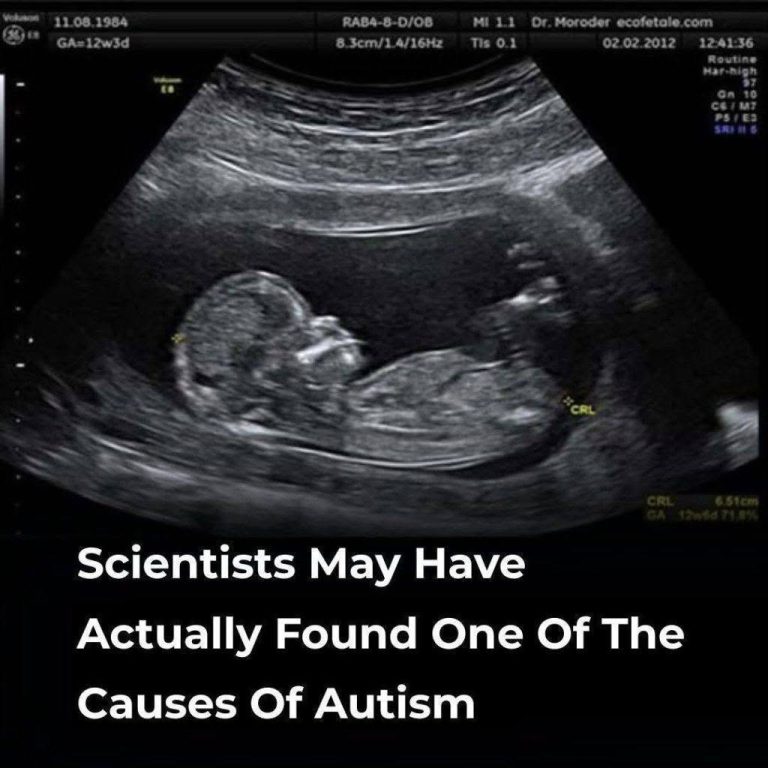
Autism Spectrum Disorder (ASD) is a complex neurodevelopmental condition that affects how individuals perceive the world, process information, and interact socially. In recent years, scientific headlines surrounding autism research have generated widespread attention. Sensationalized online posts often share prenatal ultrasound images alongside claims that researchers have pinpointed a single cause of autism.
While medical science has made dramatic strides in understanding neurodiversity, ongoing research demonstrates that autism does not stem from a single origin. Instead, ASD arises from a complex interplay of genetic variations and prenatal environmental influences that shape early brain development.
This comprehensive article explores current scientific understandings of autism, prenatal developmental research, myth debunking, and practical healthcare considerations.
What Current Science Says About the Causes of Autism
Modern neurobiological research confirms that Autism Spectrum Disorder begins early in brain development, often before birth during the first and second trimesters.
1. Complex Genetic Factors
Genetics play a major role in autism spectrum conditions. Studies involving families and twins reveal that hundreds of distinct genes and rare genetic variations contribute to neural connectivity:
-
Inherited Genetic Variants: Many individuals inherit common genetic variations from parents that combine to influence neurodevelopment.
-
De Novo Mutations: Spontaneous genetic changes that occur during conception or early embryonic development can also influence brain wiring.
2. Early Brain and Neural Development
Diagnostic ultrasound images during pregnancy monitor fetal growth indicators like Crown-Rump Length (CRL) and gestational age. While standard 2D ultrasounds do not diagnose autism, specialized imaging studies have shown subtle differences in early cortical brain structure and accelerated brain tissue growth during prenatal and early infant development in autistic individuals.
3. Prenatal Environmental Factors
Research indicates that certain environmental conditions during pregnancy can interact with underlying genetic predispositions:
-
Advanced Parental Age: Older maternal or paternal age at conception is associated with a slightly higher probability of neurodevelopmental variations.
-
Maternal Immune Activation: Severe prenatal maternal infections or immune system responses can influence fetal brain inflammation pathways.
-
Prenatal Medication Exposure: Exposure to specific prescription medications during pregnancy, such as valproate (used for epilepsy), has been linked to higher ASD probability.
Debunking Common Myths About Autism Causes
Despite vast scientific consensus, misleading health claims continue to circulate across digital platforms.
-
Vaccines Do Not Cause Autism: Decades of extensive global epidemiological studies involving millions of children have repeatedly disproven any link between vaccines (including the MMR vaccine) and autism.
-
Parenting Styles Do Not Cause Autism: Historical theories blaming maternal warmth or parenting habits (“refrigerator mothers”) have been thoroughly debunked by modern neuroscience.
-
No Single “Miracle Cure”: Autism is a lifelong neurodevelopmental difference, not a disease caused by a single pathogen or dietary flaw.
Healthcare, Insurance, and Financial Protection
Supporting neurodivergent individuals and families requires navigating medical evaluations, therapy programs, and long-term financial security.
Health Insurance and Developmental Evaluations
Early identification and specialized therapies significantly support developmental milestones:
-
Diagnostic Screening Coverage: Comprehensive health and medical insurance policies cover developmental pediatric evaluations, diagnostic assessments (such as the ADOS-2), and early intervention services.
-
Therapy Coverage: Standard medical coverage plans frequently cover evidence-based therapies, including Speech Therapy, Occupational Therapy (OT), and Applied Behavior Analysis (ABA) or neurodiversity-affirming developmental therapies.
Managing Healthcare and Financial Planning
Navigating long-term care, specialized education, and therapeutic support involves thoughtful financial organization. Balancing daily personal finance strategies ensures stability while building investment portfolios, emergency savings, and retirement funds. In cases where families invest in home modifications or specialized equipment, utilizing structured budgeting or a low-interest personal loan helps manage out-of-pocket costs without exhausting primary savings.
Disability Rights and Legal Protections
Federal and local disability laws protect neurodivergent individuals in educational and workplace settings:
-
Educational Rights: Laws like the Individuals with Disabilities Education Act (IDEA) entitle children to Individualized Education Programs (IEPs) in public schools.
-
Legal Advocacy: If individuals face discrimination in education, housing, or employment, consulting a disability rights attorney or legal advocate ensures protections under the law.
Tips for Supporting Neurodivergent Family Members
-
Focus on Strengths and Accommodations: Support sensory processing needs and foster individual interests rather than attempting to eliminate natural neurodivergent traits.
-
Seek Early Developmental Screenings: Discuss developmental milestones with pediatricians during routine well-child checkups.
-
Connect with Community Support: Engage with neurodiversity-affirming organizations and community peer groups for valuable resources and lived-experience perspectives.
Conclusion: Embracing Science and Neurodiversity
While research continues to uncover the complex genetic and biological pathways involved in brain development, science confirms that autism is a multifaceted neurodevelopmental condition rather than a single preventable event. Increasing scientific understanding helps eliminate harmful stigma, improve healthcare access, and build a more supportive world for neurodivergent individuals.
Frequently Asked Questions (FAQ)
1. Can an ultrasound detect autism during pregnancy?
No. Routine prenatal ultrasounds monitor fetal physical growth and organ development, but they cannot diagnose Autism Spectrum Disorder.
2. What is the main cause of Autism Spectrum Disorder?
Autism is primarily caused by a combination of complex genetic factors and early biological influences on prenatal brain development.
3. Does health insurance cover autism therapies and screenings?
Yes. Most medical insurance plans cover diagnostic developmental assessments and prescribed therapies like speech, occupational, and behavioral therapy.
4. Are vaccines linked to autism?
No. Rigorous, large-scale scientific research across the globe has consistently shown no link or connection between vaccines and autism.
5. At what age can autism be diagnosed?
Autism can often be reliably identified by age 18 to 24 months through developmental screenings, though diagnoses can occur later in childhood or adulthood.
