
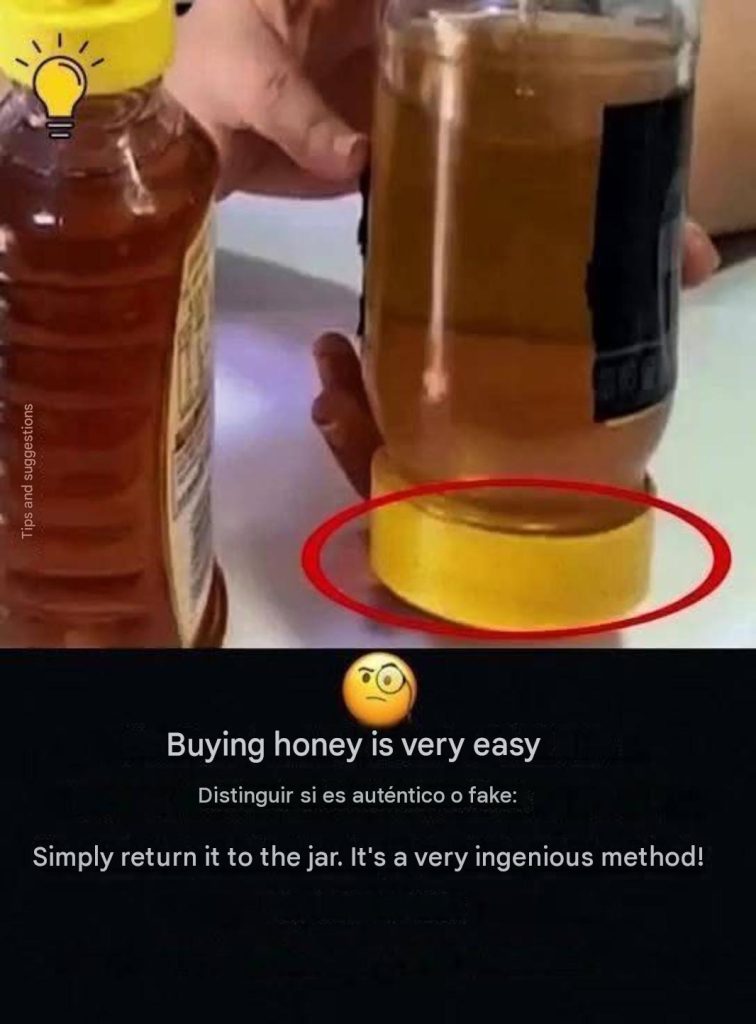
Honey has been revered for thousands of years, not only as a natural sweetener but also as a staple in traditional health practices and household remedies. However, as demand for natural products rises, adulterated and synthetic syrups have increasingly flooded grocery store shelves. Knowing how to distinguish genuine raw honey from sugar-laden imitations is essential for protecting both your wellness and your wallet.
Understanding honey quality goes far beyond basic culinary preference; it impacts your overall lifestyle, nutritional choices, and even household consumer decisions. In this comprehensive guide, we explore the science behind pure honey, step-by-step testing methods, and how to make informed shopping choices.
Why Honey Adulteration Happens
Honey is one of the most frequently adulterated food products worldwide. Pure bee honey takes time, effort, and specific environmental conditions to produce. To cut costs and increase volume, some manufacturers mix genuine honey with high-fructose corn syrup, cane sugar, or rice syrup.
These added sugars diminish the natural enzymatic benefits, anti-inflammatory properties, and rich flavor profile that raw honey naturally provides. Consuming adulterated products can affect long-term health, nutritional balance, and dietary goals, making authenticity verification a valuable skill for modern consumers.
Easy Home Tests to Spot Fake Honey
While precise laboratory testing is the gold standard for detecting honey purity, several practical methods can help you evaluate what is in your pantry.
The Water Test
Pure honey is naturally dense and low in moisture content. To perform this test:
-
Fill a clear glass with room-temperature water.
-
Drop a single tablespoon of honey into the glass.
-
Observe how it settles. Pure honey will sink to the bottom as a solid lump without dissolving immediately. Fake or diluted honey tends to dissolve rapidly into the water due to higher water and syrup content.
The Thumb or Finger Test
Place a small drop of honey on your thumb or fingertip. Pure honey tends to stay intact, holding its shape without spreading widely across your skin. Diluted honey containing added syrups will spread or run quickly across your skin like watery syrup.
The Paper Towel Test
Place a droplet of honey onto a sheet of paper towel or napkin. Authentic honey contains very little water, so it will sit on top of the paper without quickly soaking through. In contrast, adulterated honey with high water content will soak into the paper almost instantly, leaving a wet ring around the drop.
The Flame and Matchstick Method
Because pure honey contains minimal moisture, it is naturally flammable when exposed to a small flame. Dip a dry wooden matchstick into the honey, then attempt to strike the match against the box. If the match lights and burns off the honey, it suggests low water content. If it fails to strike or sputters out, high moisture or added syrups may be present.
Understanding Honey Crystallization
A common misconception among consumers is that crystallized honey has gone bad or contains added sugar. In reality, natural crystallization is actually a sign of raw, unprocessed honey.
Over time, natural sugars—primarily glucose and fructose—bind together and form solid crystals. The speed of crystallization depends on the floral source, storage temperature, and glucose ratio. Commercially processed honey is often heated and ultra-filtered to prevent crystallization, but this process can destroy beneficial enzymes and nutrients.
Practical Tips for Buying Genuine Honey
To ensure you are purchasing authentic, high-quality products, consider these straightforward buying habits:
-
Read Labels Carefully: Look for labels that state “100% Pure Raw Honey.” Avoid terms like “honey blend,” “sweetener,” or products that list added sugars, fructose, or corn syrup in the ingredients.
-
Support Local Beekeepers: Purchasing directly from local honey producers or farmers’ markets is one of the most reliable ways to source unadulterated honey.
-
Check the Origin: Transparent sourcing indicates a quality product. Pay attention to clear country-of-origin labels on the jar.
-
Observe Texture and Scent: Pure honey usually carries a gentle floral aroma reflective of the blossoms visited by the bees, rather than a purely sweet or chemical scent.
Consumer Protections and Market Insights
Food authentication touches on broader industry topics such as business regulation, agricultural supply chain tracking, and consumer protection laws. Ensuring product transparency safeguards public health and supports legitimate businesses. Similar to managing personal investments or evaluating insurance policies, staying informed about consumer products empowers you to make smarter, safer everyday financial decisions.
Frequently Asked Questions
Does pure honey ever expire?
When stored in an airtight container away from moisture, pure honey virtually never spoils due to its low moisture content and natural acidity.
Is raw honey safe for everyone?
Raw honey is safe for most children and adults, but it should never be given to infants under one year old due to the risk of infant botulism.
Does heating honey ruin its benefits?
Exposing honey to temperatures above $104^\circ\text{F}$ ($40^\circ\text{C}$) can degrade its naturally occurring enzymes and diminish some of its natural nutritional properties.
Conclusion
Distinguishing pure honey from adulterated versions protects both your health and your household budget. By applying simple home tests and choosing reputable sources, you can confidently enjoy all the rich flavor and authentic natural benefits that true honey has to offer.
