
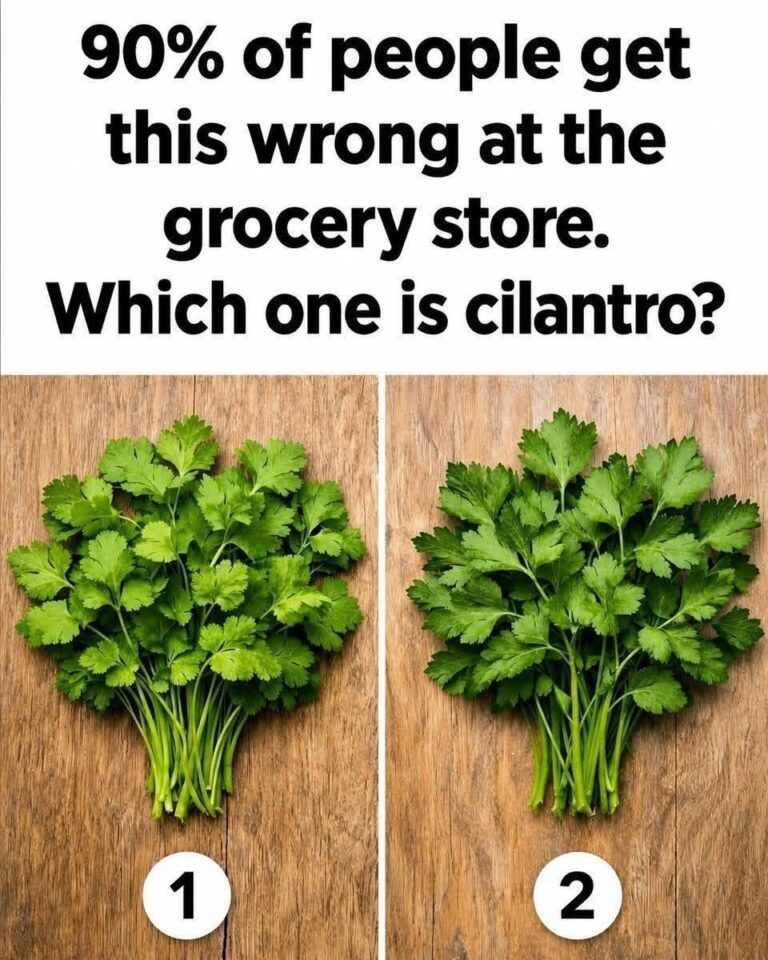
Standing in the produce aisle of your local grocery store, staring at two identical-looking bunches of leafy green herbs, is a universal culinary dilemma. Both feature vibrant green stems topped with delicate, flat leaves, and both are often displayed right next to each other on ice beds. However, grabbing the wrong bunch can completely alter the taste profile of your dish. Mixing up cilantro (coriander) and flat-leaf parsley (Italian parsley) is one of the most common mistakes home cooks make, yet telling them apart quickly is simple once you know what visual and sensory cues to look for.
Whether you are preparing a fresh salsa, garnish for tacos, an authentic chimichurri, or a hearty Mediterranean stew, identifying these culinary staples correctly ensures your recipes deliver their intended flavor. Understanding the subtle biological and visual distinctions between these popular herbs will elevate your culinary skills and save you time at the grocery counter.
The Core Visual Differences: Cilantro vs. Flat-Leaf Parsley
While cilantro and flat-leaf parsley belong to the same botanical family, Apiaceae (which also includes carrots, celery, and fennel), their leaf structures possess distinct visual signatures. Once you learn to examine leaf shape and stem texture, you will never grab the wrong bundle again.
+-------------------------------------------------------------------------------+
|                      HERB IDENTIFICATION COMPARISON GUIDE                     |
+--------------------------+-------------------------+--------------------------+
| FEATURE                  | CILANTRO (CORIANDER)    | FLAT-LEAF PARSLEY        |
+--------------------------+-------------------------+--------------------------+
| Leaf Shape               | Rounded, curved serrations| Pointed, triangular tips |
| Leaf Color               | Bright, light green     | Deeper, darker green     |
| Stem Texture             | Tender, soft, delicate  | Stiff, fibrous, rigid    |
| Primary Aroma            | Citrusy, pungent, herbal| Clean, earthy, peppery   |
| Flavor Profile           | Zesty, bright, fresh    | Mild, grassy, bitter note|
+--------------------------+-------------------------+--------------------------+
Leaf Shape and Margins
The easiest way to tell the two herbs apart visually is by examining the edges of their leaves:
-
Cilantro Leaves: Cilantro leaves feature soft, rounded serrations with curved, rounded tips. The overall shape of each leaf segment resembles a gentle fan.
-
Flat-Leaf Parsley Leaves: Parsley leaves have sharper, more pointed edges with distinctly triangular tips. The serrations are jagged and jaggedly defined compared to cilantro’s smooth, wavy contours.
Color and Stems
Look closely at the shade of green and the stiffness of the stems:
-
Cilantro: Tends to be a lighter, brighter yellowish-green shade. Its stems are thin, delicate, and tender enough to chop directly into dishes.
-
Parsley: Exhibits a darker, deeper green color. Its stems are thicker, firmer, and more rigid, often discarded or reserved for stocks due to their fibrous texture.
The Ultimate Test: The Touch and Smell Technique
If visual inspection leaves you uncertain under harsh grocery store fluorescent lighting, your senses of touch and smell offer foolproof verification.
The Aromatic Difference
Gently bruise a leaf between your thumb and forefinger and smell your fingertips:
-
Cilantro’s Aroma: Cilantro releases an immediate, pungent, highly aromatic burst with strong notes of citrus, lime, and fresh grass. It is unmistakable and intense.
-
Parsley’s Aroma: Parsley offers a much milder, cleaner scent that is slightly earthy, grassy, and faintly peppery. It is subtle compared to the sharp aroma of cilantro.
Culinary Applications: When to Use Which Herb
Using the right herb is critical because their flavor profiles perform vastly different roles in global gastronomy.
Best Uses for Cilantro
Cilantro plays a central role in cuisines across Latin America, Southeast Asia, the Middle East, and India. Its bright, citrus-forward taste cuts through rich, spicy, or fatty dishes.
-
Key Dishes: Fresh guacamole, pico de gallo, Mexican street tacos, Thai green curries, pho, and Indian chutneys.
-
Cooking Tip: Add cilantro at the very end of cooking or use it raw as a garnish. Prolonged heat destroys its delicate essential oils and fresh flavor.
Best Uses for Flat-Leaf Parsley
Flat-leaf parsley is a cornerstone of Mediterranean, European, and American cooking. It brings a clean, fresh contrast that balances heavy meats, creamy sauces, and roasted vegetables.
-
Key Dishes: Argentine chimichurri, Middle Eastern tabbouleh, Italian gremolata, pasta dishes, garlic butter sauces, and hearty roasts.
-
Cooking Tip: Parsley holds up better to heat than cilantro. It can be simmered in soups, stocks, and braises, as well as chopped fresh for raw garnishes.
Grocery Store Hacks to Avoid Confusing Herbs
-
Check the Roots: Cilantro is frequently sold with its delicate roots still attached, whereas parsley stems are almost always trimmed straight across.
-
Read the Rubber Bands: Produce teams usually bundle herbs with color-coded or labeled twist ties. Look closely at the band wrapped around the stems.
-
Store Them Correctly at Home: To keep either herb fresh for up to two weeks, treat them like fresh flowers. Trim the stem bottoms, place them upright in a glass jar with an inch of water, and loosely cover the leafy top with a plastic bag before placing it in the refrigerator.
Why Cilantro Tastes Like Soap to Some People
One of the most fascinating aspects of cilantro is its polarizing reputation. While millions savor its zesty taste, a segment of the global population insists that cilantro tastes like dish soap or metal.
This phenomenon is not a matter of picky eating—it is rooted in genetics. Specific olfactory receptor genes (notably the OR6A2 gene) allow certain individuals to detect aldehydes, organic compounds naturally present in cilantro leaves that are also used in soap manufacturing. For people with this genetic variant, cilantro tastes overwhelmingly soapy, making flat-leaf parsley the ideal culinary substitute!
Health and Nutritional Benefits
Both cilantro and parsley offer impressive nutritional profiles, making them valuable additions to any health-conscious diet.
-
Packed with Antioxidants: Both herbs are rich in vitamins A, C, and K. A small handful of parsley provides over 100% of your recommended daily intake of Vitamin K, which supports bone health and proper blood clotting.
-
Natural Detoxification: Cilantro contains natural compounds that bind to heavy metals in the body, aiding natural detoxification processes.
-
Digestive Health: Both herbs have traditionally been used to calm upset stomachs, reduce bloating, and support healthy digestion.
Interesting Facts About Herbs
-
Ancient Roots: Parsley was used by ancient Greeks not for cooking, but to fashion victory crowns for athletes and to decorate tombs.
-
Cilantro vs. Coriander: In North America, “cilantro” refers to the fresh leaves and stems of the plant Coriandrum sativum, while “coriander” refers to its dried seeds. In the UK, Australia, and parts of Europe, the leaves are referred to as “fresh coriander.”
-
Natural Air Freshener: Chewing on fresh parsley leaves after a meal helps neutralize strong odors from garlic and onions due to its high chlorophyll content.
Conclusion
Distinguishing cilantro from flat-leaf parsley at the grocery store does not require culinary expertise—just a quick look at the leaf edges and a quick scent check. Look for rounded leaves and a citrusy aroma for cilantro (Bunch #1 in the image), and sharp, pointed leaves with a mild, earthy scent for parsley (Bunch #2). By mastering these quick visual and sensory cues, you can shop with confidence and ensure every dish you prepare delivers perfect flavor.
Frequently Asked Questions (FAQ)
Which one is cilantro in the picture above?
Bunch #1 on the left is cilantro, identifiable by its lighter green color, fan-like rounded leaf edges, and delicate stems. Bunch #2 on the right is flat-leaf parsley, characterized by darker green leaves with sharp, pointed tips.
Can I substitute parsley for cilantro in recipes?
You can use flat-leaf parsley as a visual substitute or garnish, but it will not replicate cilantro’s distinct citrusy flavor. If you dislike cilantro or cannot find it, combining flat-leaf parsley with a splash of fresh lime juice and fresh mint provides a closer flavor profile.
Is curly parsley different from flat-leaf parsley?
Yes. Curly parsley (Petroselinum crispum) has ruffled, thick leaves and a milder, slightly more bitter flavor. It is primarily used as a decorative garnish, whereas flat-leaf parsley (Italian parsley) has broader leaves, stronger flavor, and is preferred for cooking.
How do I revive wilted cilantro or parsley?
Trim the bottom half-inch of the stems and submerge the entire bunch in a bowl of ice water for 15 to 20 minutes. The cells will rehydrate, making the leaves crisp and fresh again.
