
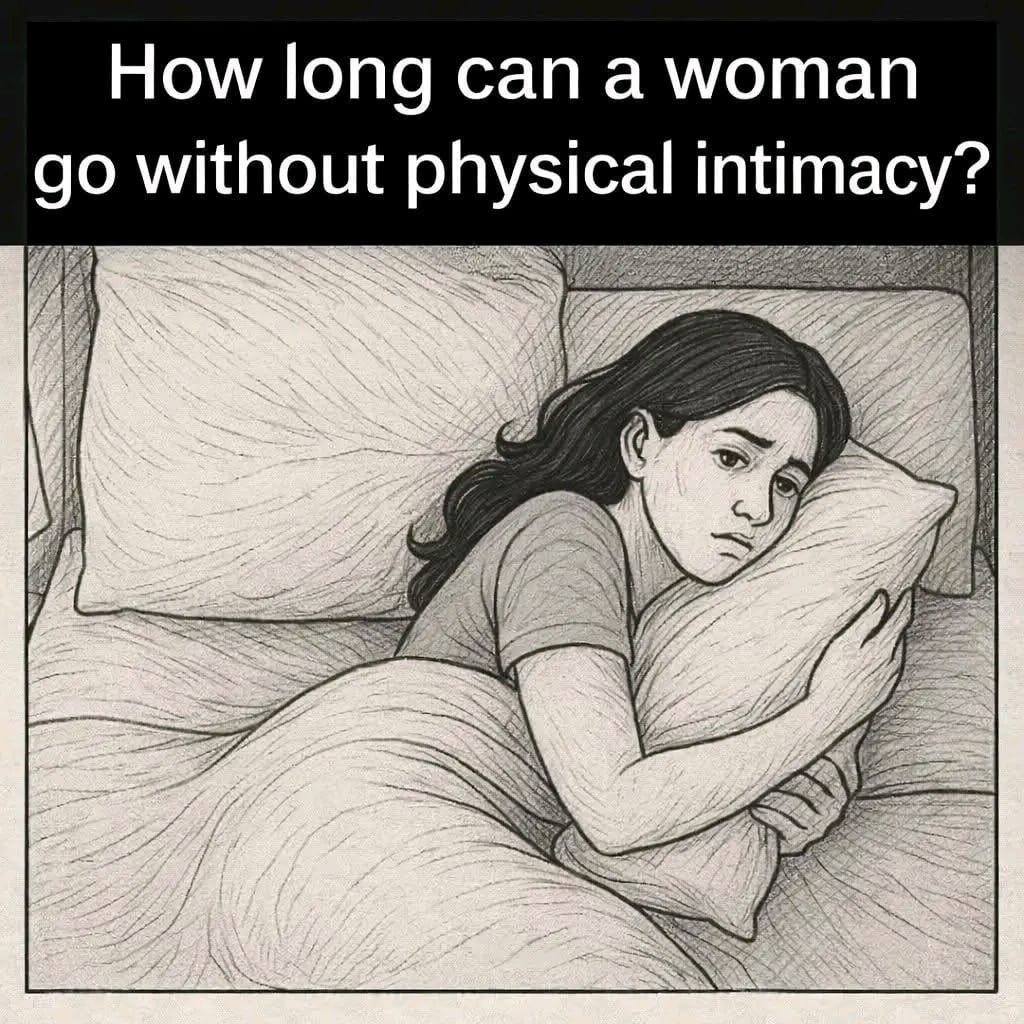
How Long Can a Woman Go Without Physical Intimacy? Understanding Health, Relationships, and Well-Being
Human connection, relationship dynamics, and emotional health are deeply intertwined with physical intimacy. Across social media platforms, viral questions such as “How long can a woman go without physical intimacy?” frequently generate extensive public discussions, personal stories, and emotional debates.
While online discussions often focus on sensational headlines or rigid timelines, sexual health and relationship experts emphasize that there is no universal timeframe or single physiological limit. In this comprehensive guide, we explore the physical and emotional aspects of intimacy, how periods of celibacy affect overall health, and practical tips for maintaining healthy relationships and personal wellness.
Understanding Physical Intimacy and Wellness
Why does the question of physical intimacy evoke such wide interest and varied responses online? Several physiological and psychological factors play a key role:
1. Individual Differences in Libido and Need
Human desire varies significantly based on individual genetics, stress levels, age, hormonal cycles, and personal values. While some individuals thrive on regular physical connection, others may comfortably experience long periods without it without any negative impacts on their health.
2. The Role of Hormones and Emotional Health
Physical intimacy triggers the release of key hormones like oxytocin, dopamine, and endorphins, which promote feelings of bonding, stress relief, and elevated mood. During periods without physical connection, individuals often fulfill these emotional and neurological needs through non-sexual physical touch, such as hugging, social bonding, and self-care routines.
3. Separation of Physical Need from Survival
Unlike essential physiological necessities like sleep, hydration, and nutrition, physical intimacy is not a basic requirement for physical survival. A woman—or man—can physically abstain from intimacy indefinitely without experiencing medical harm, provided emotional well-being and stress are managed effectively.
Practical Tips for Relationship Health and Emotional Well-Being
Navigating periods of intimacy changes in a relationship or supporting individual emotional wellness involves proactive lifestyle habits:
-
Communicate Openly with Your Partner: Honest, non-judgmental dialogue about personal needs, boundaries, and relationship expectations helps build emotional closeness even when physical intimacy shifts.
-
Practice Stress Reduction: High stress and anxiety naturally lower libido; incorporating mindfulness, exercise, and adequate sleep supports balanced hormonal function.
-
Protect Your Health with Proper Insurance: Ensuring you have reliable health insurance coverage guarantees access to professional counselors, relationship therapists, and reproductive health specialists.
-
Prioritize Self-Care and Mental Health: Engaging in personal hobbies, physical fitness, and supportive friendships nurtures emotional resilience and self-worth.
Interesting Facts About Human Intimacy and Psychology
-
The Power of Touch (Skin Hunger): Non-sexual physical contact, such as holding hands or hugging, releases oxytocin and helps reduce heart rate and blood pressure.
-
Evolutionary Psychology: Emotional intimacy and physical affection evolved alongside each other to strengthen long-term pair bonding and social cooperation.
-
Fluidity Across Life Stages: Intimacy needs naturally fluctuate across different life events, such as career transitions, parenthood, hormonal changes, and aging.
Conclusion
While viral internet prompts asking how long a woman can go without physical intimacy spark curious online commentary, individual well-being depends entirely on personal choice, relationship quality, and self-awareness. By fostering open communication, managing stress, and prioritizing overall health, individuals and couples can build fulfilling connections at every stage of life.
Frequently Asked Questions (FAQ)
1. Does going without physical intimacy cause health problems?
No. Abstaining from physical intimacy does not cause physical harm or disease. However, emotional distress may arise if there is an unwanted mismatch in a relationship.
2. What is “skin hunger” or touch deprivation?
Touch deprivation refers to the psychological and physiological stress experienced when a person lacks regular positive physical contact, such as hugs or comforting touch.
3. How can couples reconnect when intimacy has decreased?
Couples can rebuild closeness by focusing on open communication, prioritizing quality time together, engaging in shared activities, and seeking guidance from a licensed therapist if needed.
