
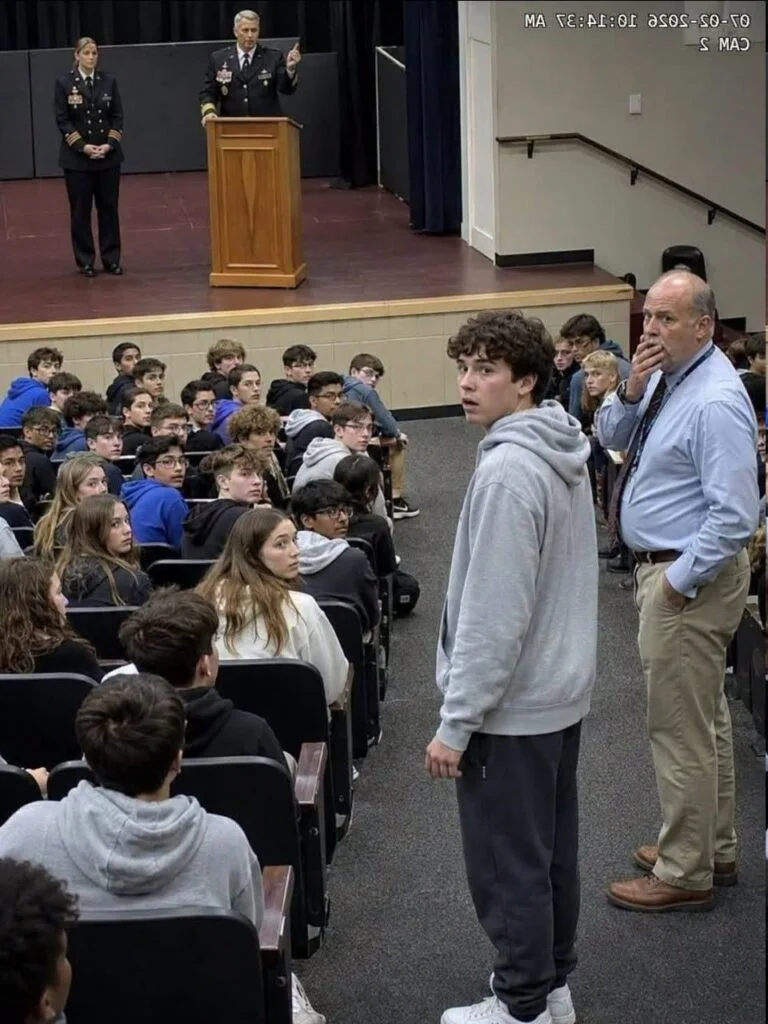
High school auditoriums have long served as the central hub for student assemblies, military recruitment talks, guest lectures, and school-wide announcements. Yet, as almost every student or educator knows, large assemblies can quickly become unpredictable. A sudden disruption, an unexpected call-out from the stage, or a student walking in late can instantly turn the attention of an entire roomful of peers and faculty members toward a single individual.
Beyond the humorous viral nature of awkward school moments, assemblies play a vital role in high school education, career exploration, and building student community. Understanding how schools structure assemblies, the importance of guest speakers, and tips for managing public anxiety can help students navigate school events with confidence. Here is an in-depth breakdown of high school assembly dynamics and career day events.
The Role of Guest Speakers and Career Assemblies
School districts regularly host guest speakers—including military representatives, university recruiters, local business leaders, and alumni—to give students perspective on life after graduation.
Why Schools Host Speaker Events
-
Career Exploration: Assemblies introduce students to non-traditional career paths, military service opportunities, trade schools, and higher education programs.
-
Community Building: Bringing entire grade levels together fosters a shared sense of school identity, culture, and collective responsibility.
-
Life Skills and Inspiration: Guest speakers often share personal stories about overcoming adversity, leadership, personal discipline, and civic duty.
How to Handle Social Anxiety and Unexpected Attention in School
For many teenagers, being thrust into the spotlight—whether called on by a teacher, standing up in front of an assembly, or walking late into a crowded room—triggers intense social anxiety or embarrassing spotlight effect.
Practical Tips for Staying Calm
-
Recognize the “Spotlight Effect”: Psychological studies show that people always overestimate how much others are paying attention to them. Most peers forget minor interruptions within minutes.
-
Maintain Neutral Body Language: Taking a deep breath, keeping a calm expression, and calmly walking to an open seat diffuses awkward tension quickly.
-
Focus on the Present Moment: Re-center your focus on the main event or speaker to redirect collective attention away from yourself.
Educational and Financial Planning for High School Graduates
Career assemblies often serve as the starting point for students considering their post-secondary options and financial planning:
-
Evaluating College vs. Vocational Pathways: Weighing the costs of four-year university tuition against trade certifications or community college programs helps families avoid excessive student debt.
-
Military Service Benefits: Joining military branches or ROTC programs offers structured career training alongside tuition assistance, Montgomery GI Bill benefits, and healthcare coverage.
-
Scholarships and Financial Aid: Completing the FAFSA early and applying for local community scholarships opens doors for grants and low-interest financial aid packages.
Frequently Asked Questions (FAQ)
What should you do if an assembly is interrupted?
Teachers and administrators usually step in quickly to redirect focus back to the stage or speaker, ensuring the presentation remains respectful and structured.
How do schools prepare students for career presentations?
Teachers often provide background context or reflection worksheets prior to guest speaker visits to encourage thoughtful questions and respectful audience behavior.
Moments of unexpected attention happen to everyone in school and work environments. Learning to handle social pressure with composure is a valuable life skill that serves students well into adulthood.
