
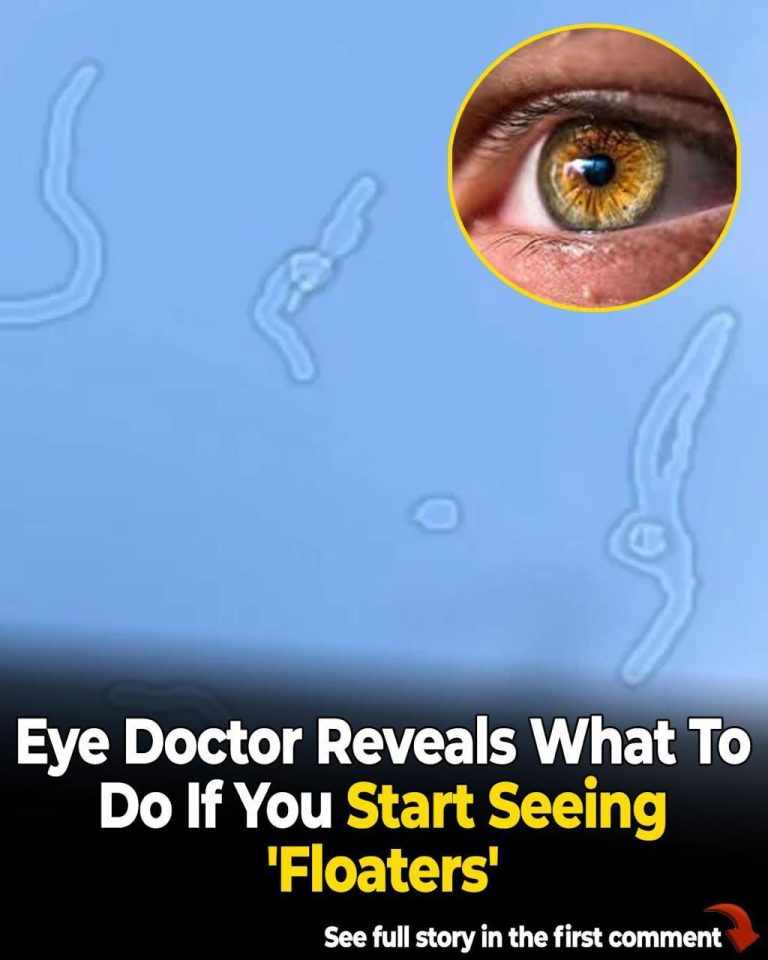
Have you ever looked up at a clear blue sky, a bright white computer screen, or a plain wall and noticed tiny, squiggly shapes drifting across your vision? You try to look directly at them, but they dart away just as you shift your focus. When you stop moving your eyes, they slowly drift back into view like microscopic dust specs on a camera lens.
These strange phenomena are known medically as eye floaters, or myodesopsia. While seeing squiggly lines, cobwebs, or dark spots floating in your visual field can be alarming, they are actually extremely common. Millions of people experience them every day. However, understanding what causes them, knowing when they are harmless, and recognizing the critical warning signs that require immediate medical attention is paramount for protecting your vision.
What Exactly Are Eye Floaters? Understanding the Science
To understand why floaters occur, it helps to imagine the human eye as a camera filled with a clear gel. The main chamber of your eye, located between the lens and the light-sensitive retina at the back, is filled with a substance called the vitreous humor.
When you are young, this gel-like fluid is completely transparent, firm, and uniform in consistency. It consists mostly of water, collagen proteins, and hyaluronic acid. As you age, however, the vitreous humor naturally begins to undergo structural changes:
-
Liquefaction: The gel slowly liquifies and shrinks over time, causing it to pull slightly away from the inner walls of the eyeball.
-
Collagen Clumping: As the gel thins, microscopic collagen fibers that were once evenly distributed begin to clump together.
-
Shadow Projection: These tiny microscopic clumps of collagen float inside the liquid center of the eye. What you are actually “seeing” when a floater appears is not the debris itself, but the shadow cast by these tiny protein clumps onto your retina when light passes through your eye.
This explains why floaters are far more noticeable when looking at uniform, brightly lit backgrounds like a white wall, a bright sky, or a blank digital monitor.
What Causes Eye Floaters to Develop?
While natural aging is the most common cause of eye floaters, several factors can accelerate their appearance or make you more susceptible to developing them early in life.
1. The Natural Aging Process (Posterior Vitreous Detachment)
As mentioned, age is the primary contributor. Between the ages of 50 and 75, most individuals undergo a process called Posterior Vitreous Detachment (PVD). This is a normal anatomical event where the shrinking vitreous gel completely separates from the retina at the back of the eye. During this transition, a sudden uptick in floaters often occurs.
2. Nearsightedness (Myopia)
Individuals who are moderately to severely nearsighted have elongated eyeballs. This physical shape places higher structural tension on the interior of the eye, causing the vitreous humor to age, shrink, and liquify at a much younger age compared to those with standard vision.
3. Ocular Trauma or Eye Injuries
A physical blow to the head, face, or eye during contact sports, car accidents, or workplace mishaps can disrupt the vitreous structure. If you are ever involved in an accident, seeking immediate care from an experienced eye care specialist or medical clinic is essential, as trauma can detach the gel prematurely or cause internal bleeding.
4. Post-Surgical Complications and Eye Inflammation
People who have undergone surgical procedures, such as cataract removal, are more likely to notice floaters afterwards. Additionally, inflammatory eye conditions like uveitis (inflammation of the middle layer of the eye) can release cellular debris into the vitreous body, creating dense floaters.
Red Flags: When Are Floaters a Medical Emergency?
For the vast majority of people, eye floaters are harmless annoyances that the brain eventually learns to ignore—a process known as neuroadaptation. However, in certain scenarios, floaters serve as an urgent distress signal from your eye that demands emergency medical evaluation.
You should consult an ophthalmologist or visit an eye emergency room immediately if you experience any of the following symptoms:
-
A Sudden Burst of New Floaters: If you suddenly see dozens or hundreds of new floaters appear out of nowhere within a few hours or minutes, this is a major warning sign.
-
Flashing Lights (Photopsia): Seeing bright flashes of light, sparks, or streaks in your peripheral vision—similar to lightning bugs or camera flashes—indicates that the shrinking vitreous gel is physically pulling or tugging on your delicate retina.
-
A Dark Curtain or Shadow in Your Peripheral Vision: If a dark shade, curtain, or veil begins to pull across your side or lower vision, this is a classic sign of an active retinal detachment.
-
Sudden Loss of Vision or Blurry Patches: Any rapid decline in central or side vision alongside floaters requires immediate expert diagnosis.
Crucial Warning: A pulling vitreous gel can tear the fragile tissue of the retina. If left untreated, fluid can seep through the tear, peeling the retina off the back wall of the eye like wallpaper. Retinal detachment is a true medical emergency that can lead to permanent vision loss or blindness if surgical repair is not performed rapidly.
What Doctors Recommend: Treatment and Management Options
If an eye doctor examines your eyes with dilated lenses and confirms that your floaters are harmless and not tied to a retinal tear, what can you actually do about them?
Conservative Observation (The Best Approach)
In 95% of cases, eye specialists advise doing nothing. Over time, floating collagen specs naturally sink down out of your direct line of vision due to gravity. Furthermore, your brain slowly adapts to filter out these predictable visual patterns, making them far less noticeable within a few months.
Medical Interventions (For Severe Cases Only)
For rare cases where floaters are so dense and widespread that they severely obstruct a person’s ability to drive, read, or work in their profession, surgical options do exist:
-
Vitrectomy: A delicate surgical procedure where a specialist removes the natural vitreous gel entirely and replaces it with a clear saline solution. Because this carries serious surgical risks—such as early cataract development, eye infections, and elevated eye pressure—it is reserved exclusively for extreme cases.
-
Laser Vitreolysis: A non-invasive laser therapy where targeted light energy breaks large protein clumps into smaller, less noticeable fragments. While less invasive, it is only effective for specific types of floaters and must be performed by a highly trained specialist.
Practical Tips for Daily Comfort and Eye Protection
While you cannot completely prevent natural vitreous changes, practicing smart habits can protect your overall ocular health and make managing floaters easier:
-
Move Your Eyes Up and Down: If a floating spot settles directly in your central vision while you are trying to read or focus, look up and down rapidly. Moving your eyes shifts the fluid inside the eye, swirling the floater out of your direct line of sight.
-
Wear UV-Blocking Sunglasses Outdoors: Bright sunlight makes floaters significantly more noticeable while exposing your eyes to harmful ultraviolet light. High-quality UV-blocking sunglasses reduce glare and protect internal eye structures.
-
Schedule Routine Dilated Eye Exams: An annual comprehensive eye exam with a licensed optometrist or ophthalmologist is the best insurance policy for your vision. Dilating your pupils allows doctors to inspect the outer edges of your retina long before severe tears or medical conditions develop.
-
Support Eye Health with Proper Nutrition: Maintaining a balanced diet rich in antioxidants, omega-3 fatty acids, and hydration supports cellular integrity. Keeping hydrated helps maintain fluid levels throughout your body, including inside the vitreous body.
Frequently Asked Questions (FAQ)
Can lifestyle changes, eye drops, or supplements dissolve floaters?
Currently, there are no clinically proven over-the-counter eye drops, vitamins, or supplements that can dissolve existing collagen floaters inside the eye gel. Be cautious of products advertising magic cures for floaters.
Are floaters linked to high blood pressure or health conditions?
While age and eye anatomy are the primary drivers, systemic conditions like diabetes can cause vascular damage in the retina (diabetic retinopathy), leading to blood leaking into the vitreous. This blood can appear as tiny dark dots or floaters. Managing blood sugar, blood pressure, and overall health is essential for protecting your vision.
Can screen time or staring at computers cause floaters?
Excessive screen time does not directly cause floaters to form. However, staring at bright white digital screens makes existing floaters far more obvious, leading many people to notice them for the first time while working.
Conclusion: Protect Your Vision Through Awareness
Seeing floaters in your vision can be an alarming experience, but in most cases, it is simply a natural part of how the human eye matures over time. The key is distinguishing between routine visual specks and sudden distress signals from your retina. By staying informed, protecting your eyes from trauma and UV rays, and seeking immediate emergency medical care if sudden flashes or shower-like floaters appear, you can safeguard your precious sight and maintain long-term visual clarity.
Scroll down to explore more related articles.
