
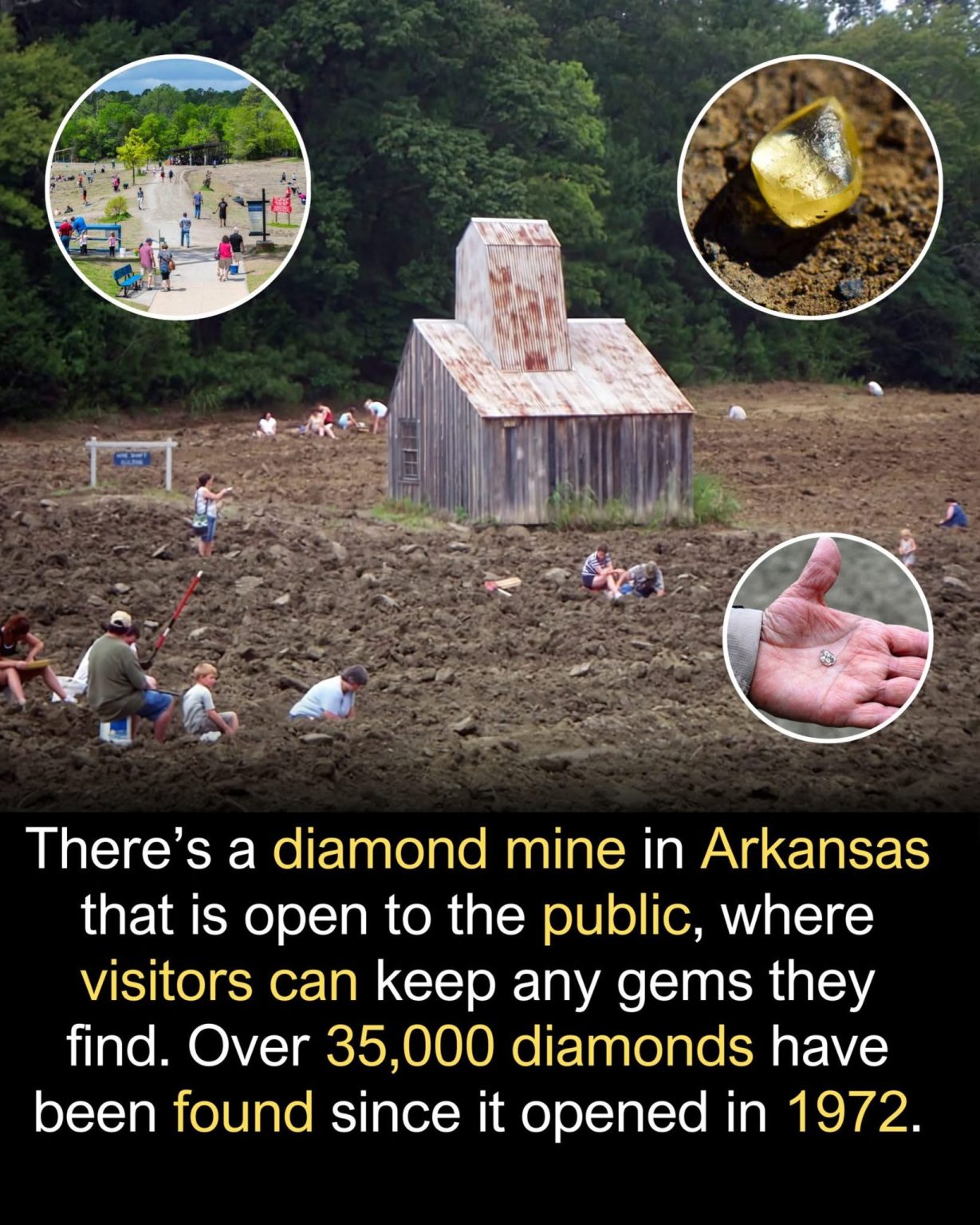
Imagine walking across an open field, catching a metallic sparkle in the dirt, and picking up a genuine, uncut diamond that is yours to keep forever. At Crater of Diamonds State Park in Murfreesboro, Arkansas, that scenario is a daily reality. As one of the only places in the world where the general public can search for real diamonds in their original volcanic source, this unique state park draws hundreds of thousands of treasure hunters, families, and gem enthusiasts every year.
With a rich geological history, an expansive 37-acre plowed field, and thousands of documented diamond finds, the park offers an unforgettable adventure. In this comprehensive guide, we explore the history of Arkansas’s diamond field, the science behind how these precious gems formed, step-by-step hunting methods, practical tips for visitors, and overall travel insights.
The History of Arkansas’s Famous Diamond Field
The story of diamonds in Arkansas began long before the land became a beloved public park.
Early Discovery and Commercial Attempts
In August 1906, a local farmer named John Huddleston discovered two shiny crystals on his property near Murfreesboro. After confirmation that the stones were genuine diamonds, the area triggered a localized “diamond rush.” Over the next several decades, private companies attempted commercial diamond mining operations at the site. However, due to complex soil conditions, legal disputes, and processing costs, commercial ventures proved economically unviable.
Becoming a State Park
In 1972, the State of Arkansas purchased the 37-acre diamond-bearing site from a private operator and established Crater of Diamonds State Park. Under park policy, visitors are granted access to search the eroded surface of the volcanic pipe and keep any natural gemstones or minerals they discover—regardless of value. Since its official opening in 1972, visitors have unearthed over 35,000 diamonds.
The Geology: How Diamonds Reached Arkansas
Understanding the geological origin of Crater of Diamonds adds an exciting layer of appreciation to your search.
Approximately 100 million years ago, during the Cretaceous Period, an intense subterranean volcanic eruption created a massive vent known as a lamproite pipe. This deep-seated explosion brought mantle rocks, minerals, and diamonds formed deep within the Earth’s crust rapidly up to the surface. Over millions of years, natural weathering and erosion broke down the surrounding volcanic rock, leaving dense diamonds and other durable minerals scattered throughout the topsoil.
Common Gemstones and Minerals Found at the Park
-
Diamonds: Found in three primary shades: white (clear), warm brown, and bright yellow.
-
Amethyst and Quartz: Sparkling purple amethyst and clear quartz crystals are frequently unearthed.
-
Jasper and Agate: Colorful, banded chalcedony varieties ideal for rock tumbling.
-
Garnet and Peridot: Small silicate minerals that serve as classic volcanic indicator stones.
Three Effective Ways to Search for Diamonds
Visitors can employ various techniques to hunt for gems depending on their equipment, physical effort, and weather conditions.
1. Surface Searching (Surface Walking)
This technique requires no heavy digging equipment—just keen eyesight and patience.
-
How It Works: Walk slowly across the plowed field with your back to the sun, scanning the ground for a metallic, adamantine luster that sets diamonds apart from quartz or glass.
-
Best Time: Right after a heavy rainfall, when dirt washes off exposed stones, making sparkling diamonds stand out against wet soil.
2. Dry Sifting
Ideal for dry weather conditions when the topsoil is powdery and loose.
-
How It Works: Scoop surface soil into a wire mesh screen (sifter) and shake away fine dust, leaving larger gravel, rocks, and prospective gems behind for close inspection.
3. Wet Washing (Sieving)
The most popular method among seasoned diamond hunters looking to process larger volumes of gravel.
-
How It Works: Dig deeper into soil layers or low-lying drainage ditches where heavy minerals concentrate. Use a set of stacked screens (a coarse screen over a fine mesh screen) immersed in water washing tubs to rinse away clay and mud.
-
The “Flip” Technique: Once gravel is thoroughly washed, screeners quickly flip the fine mesh screen upside down onto a flat table. Because diamonds are unusually dense, they concentrate in the center bottom of the gravel pile.
Essential Visitor Information and Planning Tips
To make the most of your trip to Crater of Diamonds State Park, thoughtful preparation is key.
Park Facilities and Equipment
-
Diamond Search Area: A 37-acre plowed field that is periodically tilled by park staff to bring fresh mineral layers to the surface.
-
Rentals and Identification: The park offers tool rentals, including shovels, buckets, and sifting screens. Park staff at the Diamond Discovery Center also provide free mineral identification and certification for any diamonds you find.
-
Water Park and Camping: The park features the seasonal Diamond Springs Water Park, walking trails, shaded picnic areas, and full-hookup RV campsites.
What to Pack
-
Sturdy Footwear: Wear rubber boots or old sneakers, as the plowed field becomes very muddy after rain.
-
Sun Protection: The search field offers minimal shade, so wide-brimmed hats, sunscreen, and plenty of drinking water are essential.
-
Change of Clothes: Bring towels and spare clothing, especially if planning to use wet washing techniques.
Smart Travel and Budgeting Strategies
Planning a trip to unique natural destinations like Southwest Arkansas presents an affordable, memorable family vacation opportunity.
Practical Travel Tips
-
Combine Nearby Attractions: Pair your park visit with outdoor recreation at nearby Lake Greeson, Ka-Do-Ha Indian Village, or the historic hot springs district in Hot Springs, Arkansas.
-
Book Accommodations Early: Campsites and local cabins near Murfreesboro book up quickly during peak spring and summer travel seasons.
-
Budget for Travel Security: Maintaining comprehensive auto insurance, travel protection, and healthy emergency savings ensures smooth sailing during road trips and family adventures.
Famous Diamond Discoveries at the Park
Some of the most famous diamonds in American history were uncovered right in this Arkansas field:
-
The Uncle Sam Diamond (1924): The largest diamond ever discovered in North America, weighing an astonishing 40.23 carats.
-
The Strawn-Wagner Diamond (1990): A 3.03-carat diamond found by a local visitor that was cut into a 1.09-carat gem. It received a perfect “Ideal Cut” grade from the American Gem Society—a rarity for natural diamonds.
-
The Esperanza Diamond (2015): A stunning 8.52-carat icicle-shaped clear diamond discovered by a visitor from Colorado, later transformed into a priceless custom-cut teardrop gem.
Frequently Asked Questions (FAQ)
Do visitors really get to keep the diamonds they find?
Yes! Park policy strictly allows visitors to keep all rocks, minerals, and genuine diamonds found within the 37-acre search field without paying royalties or fees.
How many diamonds are found at the park each day?
On average, park visitors register 1 to 2 diamonds every single day. Most found diamonds are small (around the size of a matchhead or under 1 carat), but multi-carat gems are unearthed multiple times per year.
What time of year is best to visit?
Spring and autumn offer mild temperatures and comfortable hunting conditions. Visiting immediately after spring rainstorms provides optimal conditions for surface searching.
Can I bring my own digging tools?
Yes. Visitors can bring their own shovels, buckets, and hand-sifting screens. However, battery-operated or gas-powered machinery and tools are strictly prohibited.
Conclusion
Crater of Diamonds State Park offers a truly unmatched hands-on adventure for travelers of all ages. Whether you spend the day surface walking after a fresh rain or wet-washing gravel with family, the thrill of holding a natural piece of Earth’s deep history in the palm of your hand makes this Arkansas treasure a bucket-list destination.
Scroll down to explore more related articles.
