
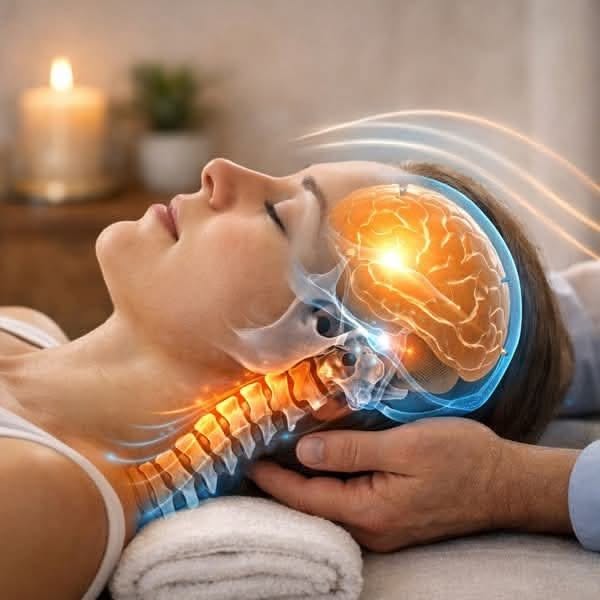
In today’s fast-paced world, chronic stress, poor posture, and persistent neck tension are common complaints. While traditional deep-tissue massages or chiropractic adjustments focus on firm physical manipulation, Craniosacral Therapy (CST) takes a gentle, holistic approach. By applying extremely light pressure along the head, neck, and spine, CST aims to release deep-seated physical tension and restore natural balance to the central nervous system.
Understanding how craniosacral therapy works helps individuals explore non-invasive options for stress reduction, headache relief, and spinal wellness.
Key Benefits of Craniosacral Therapy
Craniosacral therapy targets the membranes and fluid surrounding the brain and spinal cord to promote systemic healing and relaxation.
+-------------------------------------------------------------------------------+
|                    CRANIOSACRAL THERAPY BENEFITS MATRIX                       |
+--------------------------+----------------------------------------------------+
| HEALTH AREA              | PHYSIOLOGICAL BENEFIT & MECHANISM                  |
+--------------------------+----------------------------------------------------+
| 1. Cervical Alignment    | Relieves compression in the neck vertebrae (C1–C7) |
|                          | and relaxes tight occipital muscles.               |
| 2. Nervous System Reset  | Shifts the autonomic nervous system from sympathetic|
|                          | "fight-or-flight" to parasympathetic "rest-repair".|
| 3. Headache & Migraine   | Decreases intracranial tension and alleviates      |
|    Relief                | vascular and muscular pressure triggers.           |
| 4. Improved Fluid Flow   | Enhances gentle circulation of cerebrospinal fluid |
|                          | throughout the brain and spinal column.            |
+--------------------------+----------------------------------------------------+
1. Cervical Spine and Neck Pressure Relief
The cervical spine (neck) carries the structural weight of the head while protecting major neural pathways. CST practitioners use micro-manipulations equivalent to the weight of a nickel to ease tightness around the base of the skull (occiput) and upper vertebrae, reducing stiffness and neck discomfort.
2. Calming the Central Nervous System
By releasing tension in the fascia and dural membranes wrapping the spinal cord, CST helps down-regulate an overstimulated nervous system. This transition from sympathetic stress mode to parasympathetic relaxation aids in lowering anxiety, improving sleep quality, and promoting deep mental calmness.
3. Easing Tension Headaches and Migraines
Many tension headaches originate from hyper-contracted muscles at the base of the skull and neck. Gentle cranial decompression relaxes these tissues, reducing pain signals sent to the brain and mitigating frequent headache episodes.
4. Supporting Cerebrospinal Fluid Circulation
Cerebrospinal fluid (CSF) cushions the brain and spinal cord while delivering essential nutrients and removing metabolic waste. Gentle craniosacral techniques support the natural, rhythmic pulse of CSF movement throughout the central nervous system.
Who Can Benefit from Craniosacral Therapy?
CST is a versatile, non-invasive therapy suitable for individuals seeking gentle wellness solutions:
-
People with Chronic Neck & Back Pain: Individuals suffering from desk-posture strain, whiplash recovery, or spinal stiffness.
-
Stress and Burnout Sufferers: Anyone experiencing chronic fatigue, high anxiety, or sleep disturbances linked to nervous system overload.
-
Migraine Patients: Those looking for holistic complementary care alongside medical treatments for recurring head pain.
Practical Actionable Steps for Enhancing Spinal and Neural Relaxation
-
Maintain Ergonomic Posture: Align your computer screen at eye level to prevent constant forward head tilt, reducing strain on your cervical spine.
-
Practice Gentle Neck Distraction: Incorporate simple daily neck stretches and upper-chest breathing exercises to keep occipital muscles relaxed.
-
Choose a Certified CST Practitioner: Look for licensed massage therapists, physical therapists, or chiropractors certified in Craniosacral Therapy (e.g., Upledger Institute training).
-
Prioritize Rest Post-Session: Drink plenty of water and allow yourself time to rest after a CST session to give your nervous system space to integrate the benefits.
Fascinating Facts About Craniosacral Therapy
-
Lightweight Touch: CST uses extremely soft hand pressure—typically no more than 5 grams, which is roughly equal to the weight of a standard US nickel.
-
Osteopathic Roots: Craniosacral therapy was originally developed in the early 20th century by osteopathic physician Dr. William Garner Sutherland and later expanded by Dr. John Upledger.
Conclusion
Craniosacral therapy offers a soothing, gentle way to alleviate neck pain, reduce migraine frequency, and reset an overworked nervous system. By supporting the natural rhythm of your brain and spine, this light-touch bodywork provides a peaceful path toward holistic wellness.
Frequently Asked Questions (FAQ)
Is Craniosacral Therapy safe?
Yes. Because CST uses extremely light, non-invasive pressure, it is considered very safe for most people. However, individuals with acute cranial bleeding or aneurysms should consult a physician first.
How does Craniosacral Therapy differ from a regular massage?
While traditional massage manipulates soft muscle tissue using firm pressure, CST focuses on the subtle rhythm and dural membranes of the central nervous system using micro-light touches.
How many CST sessions are usually recommended?
Many individuals experience noticeable relaxation after a single session, though a series of 3 to 6 sessions is often recommended for chronic neck pain or long-term stress management.
Can Craniosacral Therapy help with sleep problems?
Yes. By activating the parasympathetic nervous system, CST helps lower stress hormones, making it easier to fall asleep and achieve deeper rest.
