
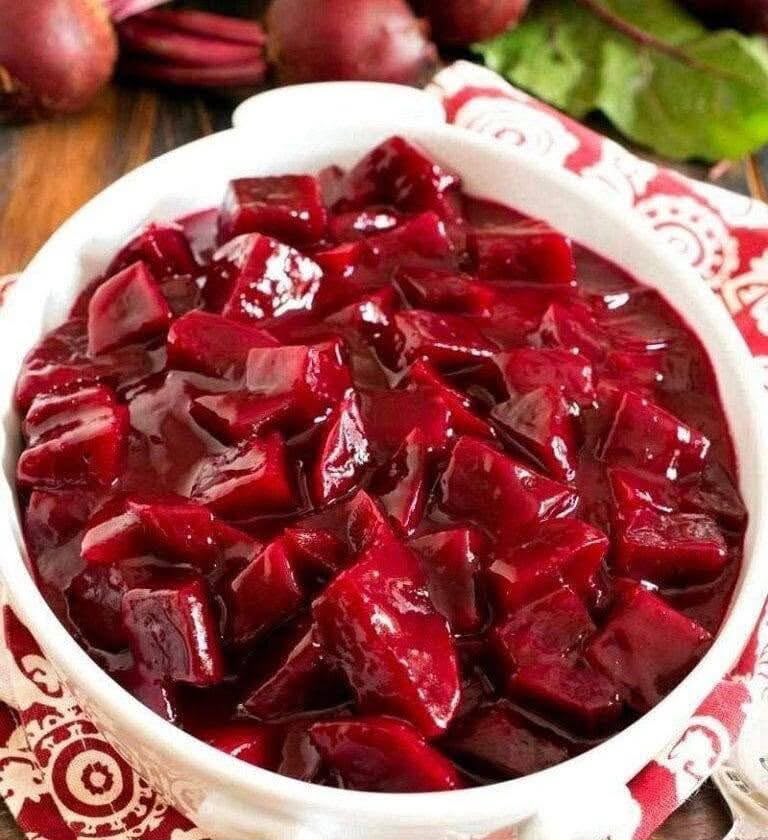
Few traditional side dishes offer the striking color, rich texture, and distinct sweet-and-tangy flavor of classic Harvard Beets. Made by tossing tender, cubed root beets in a glossy, warmed sauce composed of sugar, vinegar, cornstarch, and butter, this vintage American dish has been a beloved favorite on holiday dinner tables and Sunday family suppers for generations.
Whether prepared using fresh farm-stand beets or convenient pantry staples, Harvard Beets provide a delicious way to enjoy nutrient-rich root vegetables. In this comprehensive culinary and nutrition guide, we explore the origin of Harvard Beets, share a step-by-step classic recipe, examine the health benefits of beets, and review essential health insurance, personal finance, and home meal-planning considerations.
What Are Harvard Beets? Origins and Flavor Profile
Harvard Beets stand out due to their signature sweet-and-sour glaze:
1. Culinary Origin
While folklore often links the dish to Harvard University’s crimson school colors or taverns in Massachusetts, culinary historians suggest the recipe originated in 19th-century English cooking before gaining widespread popularity across North American homes and community cookbooks.
2. The Science of the Glaze
Unlike plain boiled or pickled beets, Harvard Beets are served warm in a thickened glaze. Combining cider vinegar (for acidity) and granulated sugar (for sweetness) creates a balanced flavor profile, while cornstarch thickens the liquid into a silky sauce that coats each ruby-red cube. Adding a pat of butter at the end imparts a glossy sheen and rich mouthfeel.
Easy Homemade Harvard Beets Recipe
Ingredients:
-
Beets: 4 cups cooked beets (peeled and diced or sliced) or 2 cans (15 oz each) sliced/cubed beets (drained, reserve 1/2 cup liquid)
-
Sugar: 1/3 cup granulated sugar
-
Cornstarch: 1 tablespoon cornstarch
-
Vinegar: 1/3 cup apple cider vinegar (or white vinegar)
-
Reserved Beet Liquid or Water: 1/2 cup
-
Butter: 1 to 2 tablespoons unsalted butter
-
Salt & Pepper: Pinch of salt and freshly cracked black pepper to taste
Step-by-Step Instructions:
-
Mix Dry Ingredients: In a saucepan over medium heat, whisk together the sugar, cornstarch, and salt.
-
Add Liquids: Gradually whisk in the apple cider vinegar and reserved beet juice (or water) until smooth.
-
Thicken the Glaze: Cook over medium heat, stirring constantly, until the mixture comes to a gentle boil and thickens into a clear, glossy syrup (about 3 to 5 minutes).
-
Combine Beets: Fold in the cooked, cubed beets. Reduce heat to low and simmer gently for 5 to 8 minutes until the beets are heated thoroughly and coated in glaze.
-
Finish and Serve: Stir in the butter until melted, season with pepper, and serve warm.
Nutritional Value and Health Benefits of Red Beets
Beets are considered a nutritional powerhouse, packed with essential vitamins, minerals, and plant compounds:
| Nutrient / Compound | Health Benefit | Impact on Body |
| Dietary Nitrates |
Promotes vasodilation and improves blood flow. |
Helps support healthy blood pressure levels. |
| Betalain Antioxidants |
Provides vibrant red pigment and neutralizes free radicals. |
Reduces systemic inflammation and oxidative stress. |
| Dietary Fiber |
Supports smooth digestion and healthy gut microbiota. |
Aids weight management and cholesterol control. |
| Folate (Vitamin B9) |
Essential for cellular repair and red blood cell production. |
Supports cardiovascular and fetal health. |
Health Insurance, Household Finance, and Grocery Budgeting
Incorporating nutrient-dense, affordable root vegetables like beets into routine meal plans connects directly to cardiovascular health management and smart personal finance.
Managing Cardiovascular Health and Health Insurance
Consuming nitrate-rich vegetables supports overall vascular fitness:
-
Preventive Cardiovascular Care: Maintaining balanced nutrition reduces long-term risks of hypertension and metabolic conditions. Commercial health insurance policies, Medicare, and Medicaid fully cover annual preventive screenings, blood pressure checks, and lipid panel testing.
-
Nutritional Therapy: Many health insurance plans offer coverage for dietitian visits for individuals managing diabetes or high blood pressure.
Personal Finance and Cost-Effective Meal Planning
Beets are one of the most economical fresh vegetables available year-round. Utilizing canned or fresh root crops in batch-cooked side dishes helps families stretch weekly food budgets while providing wholesome, homemade meals.
Interesting Facts About Beets
-
The Beeturia Effect: Consuming high amounts of red beets can temporarily turn urine or stool a reddish pink color—a completely harmless condition known as beeturia.
-
Natural Food Coloring: Betalain extract from beets is widely used in the food industry as a natural dye for ice creams, fruit juices, and yogurts.
-
Ancient Medicine: In ancient Rome and Greece, beets were initially cultivated primarily for their edible leaves before the bulbous roots were selectively bred for culinary use.
Conclusion
Classic Harvard Beets bring a delightful balance of sweet, tangy flavors and vibrant color to any dining table. By combining simple pantry staples with nutrient-packed beets, you can enjoy a timeless, budget-friendly dish that supports family health and culinary satisfaction.
Frequently Asked Questions (FAQ)
What is the difference between Harvard Beets and Pickled Beets?
Pickled beets are cured in a cold vinegar brine and served chilled, whereas Harvard Beets are served warm in a cooked, cornstarch-thickened sweet-and-sour glaze.
Can you use canned beets for Harvard Beets?
Yes! Canned diced or sliced beets work wonderfully and significantly cut down on preparation time. Be sure to save some of the canned liquid to build your glaze.
Can Harvard Beets be made ahead of time?
Yes! You can prepare Harvard Beets in advance and store them in an airtight container in the refrigerator for up to 4 days. Reheat gently on the stovetop or in the microwave, adding a splash of water if the glaze becomes too thick.
