
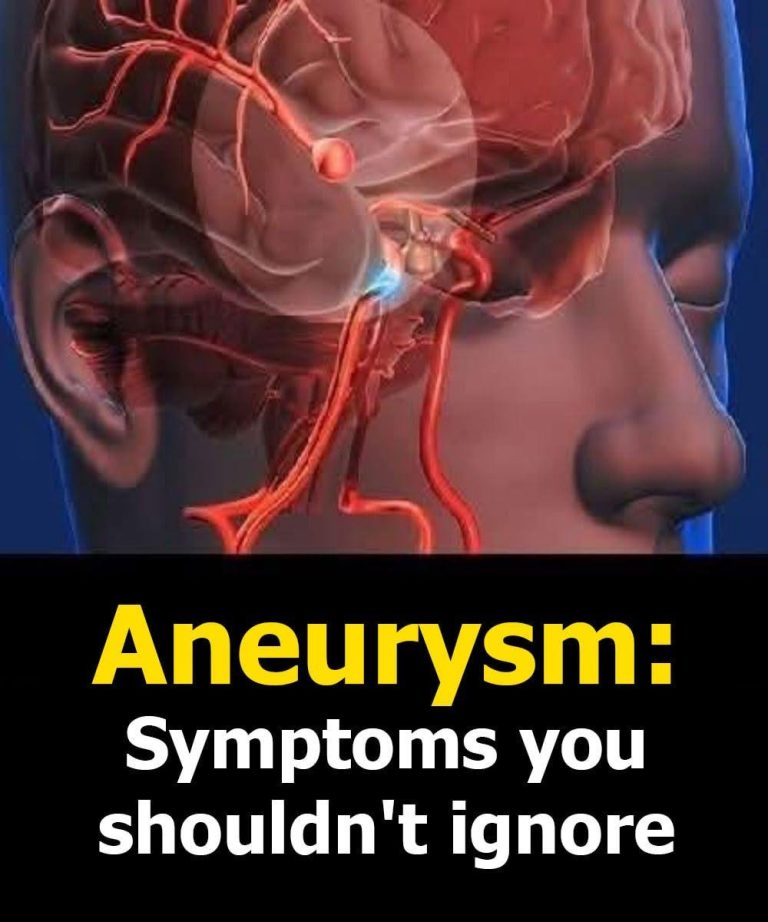
A brain aneurysm—a localized bulging or ballooning in the wall of a blood vessel in the brain—is one of the most critical medical conditions in modern neurovascular health. Often described as a silent killer, an unruptured brain aneurysm can exist for years without producing any noticeable physical signs. However, if an aneurysm expands or ruptures, it leads to a catastrophic hemorrhagic stroke, requiring immediate, emergency medical intervention.
Understanding the subtle physical symptoms of an unruptured aneurysm, as well as the sudden, severe indicators of a rupture, can save lives.
This comprehensive guide breaks down the science behind brain aneurysms, key symptoms you should never ignore, medical risk factors, diagnostic procedures, and essential steps for prevention.
What Is a Brain Aneurysm?
A brain (cerebral) aneurysm develops when a focal area of a cerebral artery wall weakens, causing it to swell outward under arterial blood pressure.
Types of Brain Aneurysms
-
Saccular (Berry) Aneurysms: The most common form of brain aneurysm, accounting for roughly 90% of cases. It resembles a small berry hanging from a vascular stem at the base of the brain.
-
Fusiform Aneurysms: Less common, this type occurs when the blood vessel wall bulges outward on all sides along a segment of the artery.
-
Mycotic Aneurysms: Caused by localized vascular infections that weaken the structural integrity of the arterial wall.
Key Symptoms You Should Never Ignore
Symptoms of a brain aneurysm vary depending on whether the aneurysm is small and stable, growing and pressing on brain tissue, or actively leaking/rupturing.
1. Warning Signs of an Unruptured Brain Aneurysm
Small, unruptured aneurysms rarely produce symptoms. However, as an aneurysm expands, it can exert localized pressure on surrounding nerves and brain tissue, triggering:
-
Localized Pain Above or Behind One Eye: A persistent, deep aching sensation localized behind a single eye socket.
-
Vision Changes: Sudden double vision, blurred vision, or decreased visual acuity.
-
Dilated Pupil: A noticeably enlarged pupil in one eye that does not react normally to light.
-
Facial Numbness or Weakness: Tingling, sagging, or muscle weakness on one side of the face.
2. Critical Symptoms of a Leaking or Ruptured Aneurysm
A ruptured brain aneurysm is a life-threatening medical emergency requiring immediate 911 dispatch. The primary hallmark of a rupture is a sudden, excruciating headache often described by patients as “the worst headache of my life” (thunderclap headache).
Additional rupture symptoms include:
-
Sudden, Severe Headache: An intense pain that reaches peak intensity within seconds.
-
Nausea and Vomiting: Violent nausea accompanying sudden head pain.
-
Stiff Neck: Intense stiffness or pain when attempting to bend the chin down toward the chest.
-
Sensitivity to Light (Photophobia): Extreme discomfort or pain when looking at light sources.
-
Seizures and Confusion: Sudden onset of altered mental status, slurred speech, or loss of consciousness.
Causes and Cardiovascular Risk Factors
While some aneurysms stem from hereditary structural weaknesses, many develop over time due to controllable cardiovascular risk factors.
Modifiable Risk Factors
-
Chronic High Blood Pressure (Hypertension): Persistent elevated arterial pressure places continuous physical stress on delicate cerebral blood vessel walls.
-
Cigarette Smoking: Smoking damages arterial linings, promotes atherosclerosis, and significantly increases the risk of aneurysm growth and rupture.
-
Heavy Alcohol or Substance Abuse: Excessive alcohol consumption and stimulant drugs (like cocaine) cause sharp spikes in blood pressure.
Non-Modifiable Risk Factors
-
Family History: Having two or more first-degree relatives with a history of brain aneurysms increases individual risk.
-
Connective Tissue Disorders: Genetic conditions such as polycystic kidney disease, Ehlers-Danlos syndrome, or Marfan syndrome weaken blood vessel structures.
-
Age and Gender: Brain aneurysms are most frequently diagnosed in adults over age 40 and occur more often in women than in men.
Healthcare, Insurance, and Legal Aspects of Neurovascular Care
Managing complex vascular health conditions involves specialized medical care, diagnostic imaging, and navigating healthcare systems.
Health Insurance and Advanced Diagnostic Imaging
Detecting an unruptured brain aneurysm requires advanced neuroimaging, such as Magnetic Resonance Angiography (MRA), Computed Tomography Angiography (CTA), or cerebral angiography.
-
Insurance Coverage: Comprehensive health and medical insurance policies generally cover diagnostic imaging when ordered by a neurologist or physician to investigate focal neurological symptoms.
-
Pre-Authorization: Advanced imaging often requires prior authorization from insurance providers to verify medical necessity.
Financial Management for Emergency and Surgical Care
Endovascular coiling or surgical clipping procedures for brain aneurysms involve significant medical resources. Understanding out-of-pocket maximums, hospital billing structures, and specialized care coverage is essential. Utilizing Health Savings Accounts (HSAs) or arranging structured personal finance strategies, such as a low-interest personal loan, can help manage unexpected medical expenses without impacting long-term investment or retirement savings.
Legal Considerations and Medical Advocacy
When emergency care or surgical intervention is required, understanding patient advocacy rights is crucial. In cases of delayed diagnosis or medical errors during neurosurgical procedures, consulting a specialized medical malpractice attorney can provide clarity regarding legal protections and patient care standards.
Prevention and Daily Vascular Health Tips
While you cannot alter your genetic background, adopting proactive vascular habits lowers the risk of aneurysm formation and rupture:
-
Control Blood Pressure: Monitor blood pressure regularly and take prescribed antihypertensive medications consistently.
-
Quit Tobacco Use: Utilize smoking cessation programs and resources to eliminate tobacco exposure.
-
Adopt an Anti-Inflammatory Diet: Emphasize whole foods, leafy greens, lean proteins, and healthy fats while minimizing processed sodium.
-
Routine Neurological Screening: If you have a strong family history of brain aneurysms, speak with your doctor about elective screening MRA scans.
Conclusion: Awareness Saves Lives
Brain aneurysms are serious neurovascular conditions, but early awareness and prompt medical care make all the difference. Recognizing warning signs like localized eye pain, sudden vision changes, or the onset of a thunderclap headache allows individuals to seek emergency evaluation before catastrophic complications occur.
By managing cardiovascular risk factors, maintaining regular medical checkups, and responding swiftly to warning signs, you can protect your brain and long-term health.
Frequently Asked Questions (FAQ)
1. What does an aneurysm headache feel like?
A ruptured aneurysm headache (thunderclap headache) comes on instantly, reaching maximum, excruciating severity within seconds. It is distinctly different from normal tension headaches or migraines and is often described as the worst pain ever experienced.
2. Can an unruptured brain aneurysm go away on its own?
No. Brain aneurysms do not disappear or heal on their own. However, many small, unruptured aneurysms remain stable for life and may only require periodic monitoring by a neurosurgeon rather than immediate surgery.
3. How are brain aneurysms treated?
Depending on size, location, and rupture risk, neurosurgeons treat aneurysms using minimally invasive endovascular coiling (inserting tiny coils to block blood flow into the aneurysm) or surgical clipping (placing a tiny metal clip across the neck of the aneurysm).
4. Does health insurance cover emergency brain aneurysm surgery?
Yes. Emergency treatment, hospitalization, and surgical interventions for ruptured brain aneurysms are covered under standard emergency medical insurance benefits, subject to policy deductibles and copays.
5. Is a brain aneurysm hereditary?
Most brain aneurysms are not directly inherited, but having two or more immediate family members (parents or siblings) with a history of brain aneurysms increases your risk, making screening advisable.
