
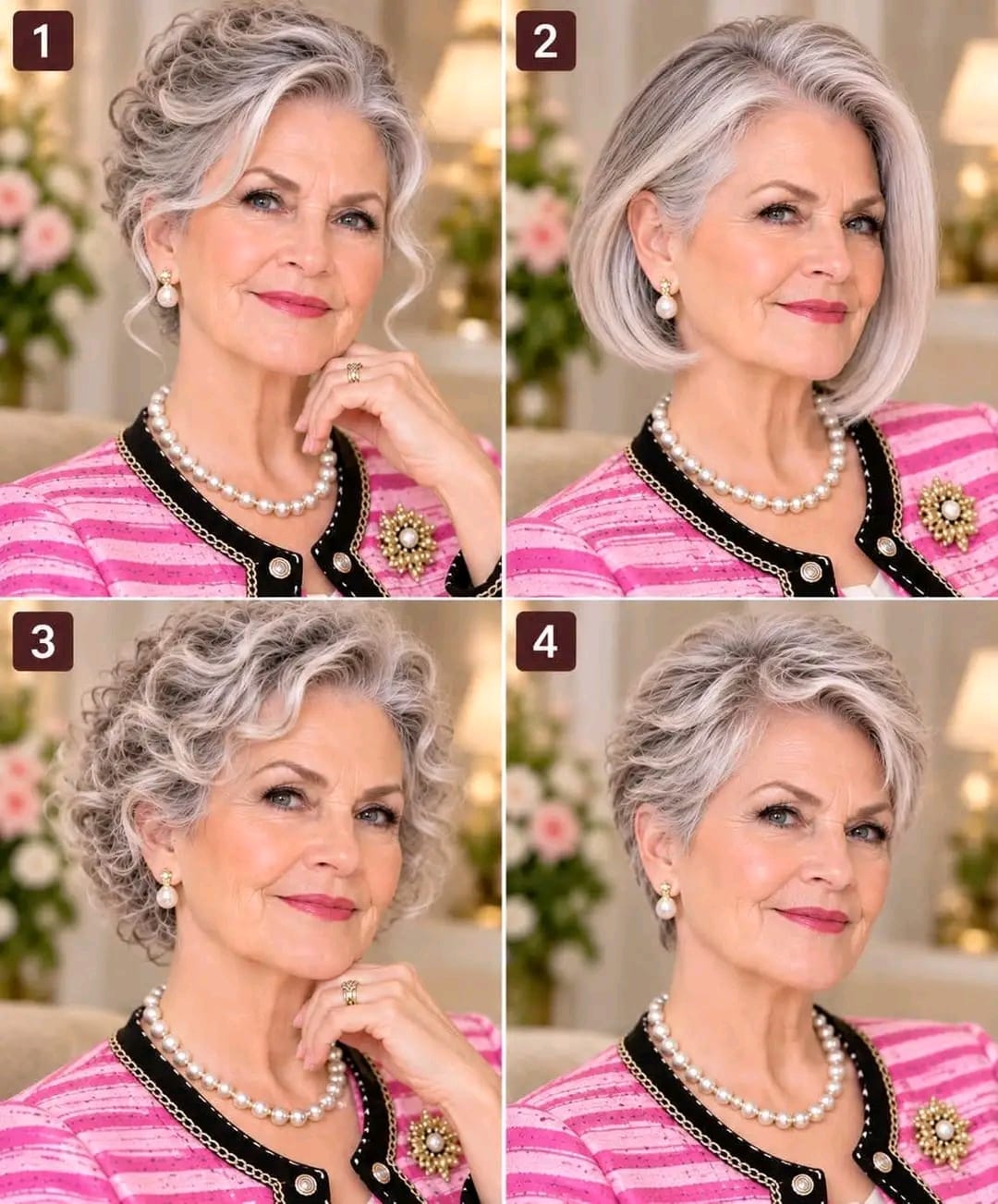
As artificial intelligence image generation tools grow more advanced, hyper-realistic portrait transformations frequently flood social media feeds. From multi-panel hairstyle comparison tests featuring women wearing pink-and-white striped jackets to creative fashion edits, these images often challenge viewers to choose their favorite look or spot differences between generated variations.
While AI styling tools offer exciting inspiration for fashion and beauty, distinguishing between authentic photography and synthetic AI generation requires careful attention to detail. In this comprehensive guide, we explore the telltale signs of AI-generated portraits, the evolution of digital media, and practical tips for navigating online content safely.
Telltale Signs of AI-Generated Hairstyle Comparisons
Why do certain multi-panel AI portraits look remarkably convincing while containing subtle, recurring inconsistencies across frames? Several key indicators reveal artificial generation:
1. Inconsistent Facial Structures and Blending
When AI generates multiple variations of the same person with different hairstyles (such as numbers 1, 2, 3, and 4), underlying facial features, ear shapes, and skin textures often shift subtly between frames while clothing, pearls, and brooches remain rigidly identical.
2. Unnatural Hair Textures and Edges
AI software often struggles to render natural hair strands blending seamlessly against the scalp or ears. Look closely at hairline transitions, stray hairs, and overlapping curls to spot digital artifacts or blending errors.
3. Identical Wardrobe Replication
In synthetic comparison grids, the clothing, jewelry, pearl necklaces, and lapel brooches are usually copied across every single panel without variation, exposing the digital collage nature of the image.
Practical Tips for Evaluating Digital Media and Online Content
Navigating a digital landscape filled with synthetic media and viral image tests involves critical thinking habits:
-
Inspect Fine Details Across Panels: Compare background elements, lighting shadows, and clothing patterns across all frames to identify AI replication.
-
Verify Image Sources: Use reverse image search tools to trace viral graphics back to their original creators or AI art generator sources.
-
Protect Your Health with Proper Insurance: Ensuring you have reliable health and life insurance coverage guarantees peace of mind and access to professional resources in all aspects of life.
-
Stay Educated on Tech Trends: Keep up to date with rapid advancements in artificial intelligence and deepfake detection to protect yourself from misinformation.
Interesting Facts About Artificial Intelligence and Art
-
The Rise of Generative AI: Modern neural networks are trained on massive datasets of human faces, enabling them to synthesize complex hairstyles and fashion portraits in seconds.
-
The Psychology of Engagement: Grids featuring numbered options (1, 2, 3, 4) designed to prompt users to choose their favorite style drive massive comment engagement on social media.
-
The “Uncanny Valley”: Human brains are hardwired to notice subtle flaws in facial symmetry, which is why synthetic portraits can sometimes feel slightly artificial upon close inspection.
Conclusion
While AI-generated hairstyle comparisons and viral visual tests provide fun digital entertainment, developing strong digital literacy is essential for navigating modern media. By closely examining fine details, verifying sources, and maintaining a critical eye, you can enjoy online content while staying informed.
Frequently Asked Questions (FAQ)
1. Are all four panels in the image created by artificial intelligence?
Yes. The identical pink-and-white striped jacket, pearl necklace, and brooch across all four numbered panels indicate AI generation and face-swapping techniques.
2. What are the easiest ways to spot an AI-generated portrait grid?
Check for identical clothing and accessories across multiple photos combined with subtly shifting facial features, hairline distortions, or unnatural skin smoothing.
3. Why do creators post AI hairstyle comparison images on social media?
These posts encourage users to comment with their favorite number (1, 2, 3, or 4), boosting algorithmic reach and engagement through interactive participation.
