
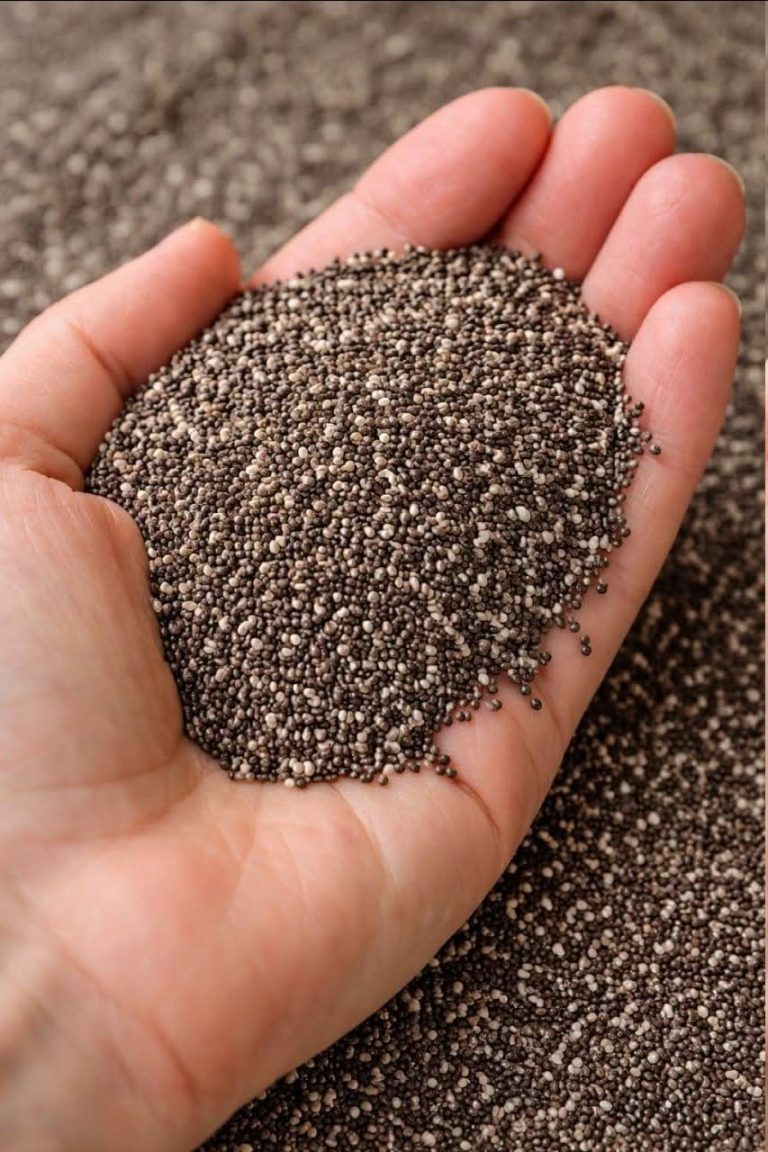
Chia seeds (Salvia hispanica) have earned a well-deserved reputation as one of the world’s most powerful nutrient-dense superfoods. Native to Central and South America, these tiny black and white seeds were once a staple food for ancient Mayan and Aztec civilizations, valued for their ability to sustain energy and endurance during long journeys. Today, modern nutritionists and health experts champion chia seeds as an essential daily addition to healthy lifestyle routines.
Despite their tiny size, chia seeds pack an impressive profile of plant-based omega-3 fatty acids, dietary fiber, complete proteins, essential minerals, and antioxidants. In this comprehensive guide, we will analyze the physiological benefits of daily chia seed consumption, examine optimal preparation techniques, highlight potential risks, and discuss how smart wellness habits contribute to long-term financial and physical well-being.
The Complete Nutritional Profile of Chia Seeds
Understanding the biological impact of chia seeds begins with examining their concentrated nutritional breakdown. A standard two-tablespoon serving (approximately one ounce or 28 grams) delivers a remarkable combination of essential nutrients:
-
Dietary Fiber: Roughly 11 grams of soluble and insoluble fiber.
-
Plant Protein: Around 4.4 grams of high-quality plant-based protein containing all nine essential amino acids.
-
Omega-3 Fatty Acids: Over 5 grams of alpha-linolenic acid (ALA), supporting cardiovascular health.
-
Essential Minerals: High concentrations of calcium, magnesium, phosphorus, manganese, and zinc.
-
Antioxidants: Rich in chlorogenic acid, caffeic acid, myricetin, quercetin, and kaempferol.
What Daily Chia Seed Consumption Does for Your Health
Incorporating a spoonful of chia seeds into your morning routine triggers positive changes across multiple organ systems over time.
1. Supports Digestive Health and Gut Microbiome
Chia seeds are exceptionally high in soluble fiber. When mixed with liquids in the digestive tract, chia seeds absorb up to 10 to 12 times their weight in water, forming a soothing gel-like substance. This hydro-colloidal gel slows down digestion, promotes regular bowel movements, prevents constipation, and feeds beneficial gut bacteria in your microbiome.
2. Promotes Weight Management and Fullness
Because chia seeds expand in the stomach and delay gastric emptying, they significantly enhance feelings of satiety and fullness. Adding soaked chia seeds to morning oatmeal, yogurt, or water helps curb mid-day cravings, aiding in healthy weight management without restrictive dieting.
3. Enhances Cardiovascular and Heart Health
The high concentration of plant-based omega-3 fatty acids (ALA) in chia seeds plays an important role in reducing systemic inflammation. Regular intake helps balance lipid profiles by lowering systemic LDL (“bad”) cholesterol and triglycerides while supporting healthy blood pressure levels.
4. Regulates Blood Sugar Levels
The unique combination of high fiber, healthy fats, and protein prevents rapid blood sugar spikes after meals. By slowing down the absorption of dietary carbohydrates, chia seeds help improve insulin sensitivity, making them an excellent dietary inclusion for individuals managing type 2 diabetes or prediabetes.
5. Strengthens Bone Density and Structure
By weight, chia seeds contain more calcium than most dairy products, alongside essential bone-building minerals like magnesium and phosphorus. Daily consumption supports long-term skeletal strength, helping prevent age-related bone density loss.
Safe Preparation Methods and Common Risks to Avoid
While chia seeds offer outstanding health benefits, consuming them improperly can cause discomfort or health hazards.
The Danger of Eating Dry Chia Seeds
Never swallow dry, unsoaked chia seeds followed immediately by water. Because chia seeds absorb water rapidly and expand into a thick gel, swallowing them dry can cause them to swell in the esophagus, posing a serious choking hazard or gastrointestinal blockage.
Best Preparation Techniques
-
Chia Pudding: Whisk 3 tablespoons of chia seeds into 1 cup of almond milk, coconut milk, or dairy milk. Cover and refrigerate overnight until it thickens into a delicious, creamy pudding.
-
Smoothie Booster: Blend chia seeds directly into fruit and vegetable smoothies where liquid is abundant.
-
Hydrating Chia Water (Iskiate): Mix 1 tablespoon of chia seeds into a glass of water with fresh lime juice and a touch of honey, allowing it to sit for 15 minutes before drinking.
Health Insurance, Preventative Wellness, and Long-Term Value
Investing in simple, cost-effective nutrition strategies yields profound long-term personal and financial rewards.
Lowering Healthcare Expenses Through Preventative Nutrition
Incorporating nutrient-rich superfoods like chia seeds reduces risks associated with lifestyle diseases, such as hypertension, heart disease, and metabolic disorders. Preventing chronic illnesses reduces reliance on expensive prescription medications and frequent specialist visits, preserving your health insurance coverage limits and protecting out-of-pocket savings.
Financial Planning and Healthy Household Budgets
Chia seeds are highly affordable and store well in dry pantries for years without spoiling. Buying superfoods in bulk saves money on monthly grocery bills, allowing families to reallocate financial resources into high-yielding investments, education funds, or retirement planning.
Fascinating Facts About Chia Seeds
-
The Meaning of “Chia”: The word Chia is derived from the ancient Mayan word for “strength,” reflecting how Aztec warriors consumed the seeds for stamina during battles.
-
Hydrophilic Power: Chia seeds are hydrophilic, meaning they have a strong affinity for absorbing fluids, which makes them exceptional for maintaining bodily hydration during endurance workouts.
-
Natural Pesticide Resistance: The natural oils in Salvia hispanica leaves repel insects naturally, allowing most commercial chia seed crops to be grown organically without synthetic pesticides.
Conclusion
Adding a daily serving of chia seeds to your diet is one of the simplest, most effective steps you can take toward total body wellness. From enhancing digestion and stabilizing blood sugar to supporting heart health and bone strength, these tiny powerhouses deliver extraordinary biological benefits. By soaking them properly and enjoying them in puddings, smoothies, or water, you can harness ancient Aztec superfood nutrition for a healthier, more energetic life.
Frequently Asked Questions (FAQ)
1. How many chia seeds should you eat a day?
A standard recommended daily intake is 1 to 2 tablespoons (about 15 to 30 grams). Starting with 1 tablespoon daily allows your digestive system to adapt comfortably to the increased dietary fiber intake.
2. Can chia seeds cause stomach pain or bloating?
If you consume large amounts of chia seeds without drinking enough water, the high fiber content can cause temporary gas, bloating, or abdominal cramping. Always drink plenty of fluids when adding fiber-dense foods to your diet.
3. Are black chia seeds better than white chia seeds?
Nutritively, black and white chia seeds are virtually identical. Both offer similar concentrations of omega-3s, protein, fiber, and minerals. The only difference is aesthetic preference in cooking and food presentation.
