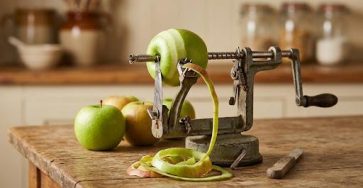
Modern kitchens are filled with high-tech appliances, smart gadgets, and sleek electric devices designed to make culinary prep as effortless as possible. However, if you venture into an older home, explore a country antique shop, or look through a grandparents’ kitchen cupboard, you might encounter mechanical tools from a bygone era that still outperform many modern plastic alternatives. Among these timeless inventions, few capture nostalgic charm quite like the vintage hand-crank apple peeler, corer, and slicer.
For generations, this cast-iron mechanical marvel was an essential staple in American households. Today, many younger generations look at these intricate, screw-driven contraptions with confusion, unsure of what they are or how they work. In this comprehensive guide, we will explore the fascinating history, mechanism, practical benefits, and valuation of these iconic kitchen gadgets, alongside valuable home investment and lifestyle considerations.
What Is a Hand-Crank Apple Peeler?
A vintage hand-crank apple peeler—often referred to as an apple parer—is a mechanical kitchen tool designed to strip the skin, remove the core, and slice fresh apples into uniform spirals in a single fluid motion. Crafted primarily from cast iron, steel, and wooden handles, these tools utilize a hand-operated crank shaft, a pronged fork (or arbor) to hold the fruit, and a spring-loaded blade assembly that follows the natural contours of the apple as it rotates.
The Mechanics Behind the Design
The brilliance of the mechanical apple peeler lies in its simple yet effective engineering:
-
The Pronged Arbor: The apple is speared onto a three-pronged steel fork attached to a threaded rod.
-
The Peeling Blade: As you turn the wooden handle, the threaded rod rotates the apple forward against a flexible, spring-tensioned blade that skims off a paper-thin layer of skin.
-
The Coring and Slicing Blade: At the end of the shaft’s forward travel, a circular blade cuts out the core while a flat cutting knife slices the apple into a continuous, perfectly thick spiral ribbon.
The History and Evolution of Kitchen Innovation
To appreciate the significance of the hand-crank peeler, one must understand life before its widespread invention. During the 18th and 19th centuries, apples were a foundational food source in North America. Households processed hundreds of pounds of fruit every autumn for canning, dehydrating, baking, and cider production.
Before mechanical parers, peeling apples was a tedious manual labor done with basic paring knives, often taking hours of painstaking work. Recognizing the need for efficiency, early American inventors turned their attention to automating the task. Between 1790 and 1890, the United States Patent Office granted hundreds of patents for various apple peeler designs, making it one of the most heavily patented household devices in American history.
From Cast Iron to Modern Collectibles
Early 19th-century models were often large, tabletop devices made of wood and wrought iron. By the late 1800s, foundry production allowed manufacturers to produce compact, cast-iron models featuring intricate gear mechanisms. Brands like Reading, Goodell, and Enterprise became household names, selling millions of units across the nation.
While electric food processors and pre-packaged grocery items eventually replaced these mechanical tools in everyday urban kitchens, the hand-crank peeler never truly disappeared. It remains a beloved staple among home bakers, homesteaders, and antique collectors alike.
Practical Benefits of Using a Vintage-Style Apple Peeler
While high-tech electronic gadgets dominate today’s marketplace, traditional mechanical tools offer distinct advantages that make them worth keeping in your kitchen.
1. Unmatched Speed and Efficiency
Peeling, coring, and slicing a single apple manually can take a minute or more. A well-adjusted hand-crank peeler completes the entire process in under five seconds per apple. When preparing bulk batches for autumn pies, applesauce, or fruit drying, this tool saves hours of tedious labor.
2. Zero Electricity Required
Because these tools operate entirely via manual mechanical force, they require no electricity, batteries, or digital components. This makes them reliable, energy-efficient, and ideal for off-grid living, camping trips, or power outages.
3. Reduced Food Waste
Precision spring-tensioned blades strip only the thin outer layer of skin, preserving maximum fruit flesh. Hand-peeling often results in deep knife cuts that waste edible fruit.
4. Family Engagement and Fun
The interactive, mechanical nature of turning a crank and seeing perfect fruit spirals emerge makes food preparation engaging for young children, encouraging them to participate in cooking and eat healthier snacks.
Caring for Vintage Metals and Home Maintenance Tips
If you inherit an authentic antique cast-iron peeler or purchase one at a flea market, proper maintenance is crucial to restore its function and preserve its value.
Cleaning and Rust Prevention
-
Avoid Dishwashers: Never place cast iron or vintage steel tools in a dishwasher, as high moisture and aggressive detergents cause rapid rusting and dulling of the blades.
-
Hand Wash and Dry Immediately: Clean the device with mild soap, warm water, and a soft brush. Dry it completely with a towel immediately after washing.
-
Food-Grade Mineral Oil: Apply a thin layer of food-grade mineral oil or cutting board oil to all metal gears, shafts, and blades to prevent corrosion and ensure smooth gear movement.
Home Improvement and Storage Considerations
When restoring or displaying vintage kitchen tools, ensuring proper home ventilation and dry climate control is essential. Excess indoor humidity can cause rust on antique metalwork. Investing in proper home insulation, dehumidifiers, and quality kitchen cabinetry preserves both your culinary collectibles and your home’s overall market valuation.
Financial Value: Are Vintage Apple Peelers Worth Money?
Many people who discover an old peeler in an attic or estate sale wonder if it holds significant financial value.
Valuation Factors
-
Age and Patent Markings: Early 19th-century models with clear cast-iron patent dates (especially those pre-dating 1870) are typically more valuable to collectors than mass-produced models from the 1920s.
-
Rarity and Design: Unique gear mechanisms, turntable designs, or rare manufacturer stamps command higher prices at antique auctions and specialty estate sales.
-
Condition: Original paint, smooth gear movement, complete parts, and lack of heavy rust significantly boost resale value.
While common early-20th-century models might sell for $20 to $50, rare patent models in pristine condition can fetch several hundred dollars among antique enthusiasts.
Interesting Facts About Apple Peelers
-
Patent Boom: The apple peeler was among the top three most patented mechanical items in the United States during the 19th century, alongside the washing machine and the churn.
-
Continuous Spirals: The unbroken ribbon of apple skin created by a hand-crank peeler was historically used in folk games during autumn festivals to predict a person’s future spouse.
-
Industrial Inspiration: The gear ratio systems developed for small cast-iron kitchen parers influenced early agricultural machinery and small-scale industrial manufacturing designs.
Conclusion
The hand-crank apple peeler stands as a testament to practical engineering and functional design. Far from being an obsolete relic, this cast-iron marvel continues to offer exceptional utility, nostalgia, and efficiency for modern homes. Whether you are an avid baker preparing holiday pies, an antique enthusiast decorating a rustic kitchen, or simply someone looking to preserve culinary tradition, understanding and using these vintage gadgets brings a unique appreciation for historical innovation.
Frequently Asked Questions (FAQ)
1. Can a hand-crank apple peeler be used on other fruits or vegetables?
Yes! While designed primarily for apples, these devices work exceptionally well on firm pears and potatoes. Using a peeler for potatoes can drastically speed up meal prep for mashed potatoes or holiday casseroles.
2. How do I sharpen the blade on an old apple peeler?
You can sharpen the small, curved peeling blade using a small whetstone, a fine metal file, or a rotary tool with a polishing attachment. Alternatively, many modern reproductions offer cheap replacement blades that fit vintage designs.
3. How do I secure the peeler to my kitchen counter?
Most traditional peelers feature either a heavy-duty screw clamp designed to attach to the edge of a wooden tabletop or a strong rubber suction base that adheres securely to smooth granite, marble, or laminate countertops.