
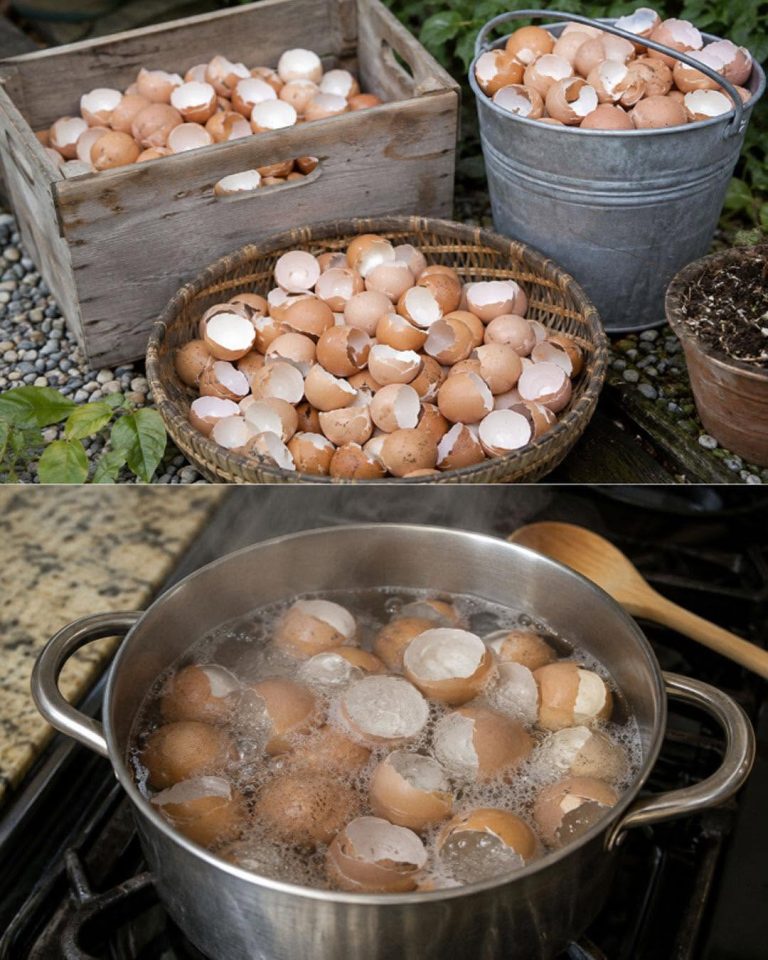
Eggshells are often treated as kitchen waste, but they are actually a goldmine of nutrients for garden soil. Rich in calcium carbonate, eggshells help build strong cell structures in plants, prevent common garden diseases, and neutralize acidic soil.
However, simply throwing raw eggshells directly onto garden beds is not enough. Boiling eggshells before adding them to your soil or compost bin cleanses them of bacteria, softens the shells for faster decomposition, and creates a nutrient-rich calcium water tea that plants absorb instantly. Here is a complete guide to boiling eggshells, their agricultural benefits, and how to use them effectively.
Key Benefits of Boiling Eggshells for Plants
Preparing eggshells with heat unlocks maximum benefits for garden health:
1. Eliminates Harmful Bacteria
-
Sterilizes Raw Residue: Boiling eggshells neutralizes Salmonella and other potential pathogens present on raw egg remnants, keeping your indoor pots and outdoor vegetable gardens safe.
2. Creates Instant Calcium Tea
-
Fast Absorption: Steeped eggshell water delivers dissolved calcium and trace minerals directly to roots, preventing conditions like blossom end rot in tomatoes, peppers, and eggplants.
3. Speeds Up Decomposition
-
Softens Rigid Shells: Heat breaks down the organic inner membrane and hard outer shell, making it easier to crush into fine powder that soil microbes can digest rapidly.
Step-by-Step: How to Prepare Eggshell Fertilizer
Making homemade calcium fertilizer requires minimal effort and zero expensive equipment:
-
Collect and Rinse: Save clean eggshells in a basket or bucket as you cook. Give them a quick rinse to remove excess egg white residue.
-
Boil in Water: Submerge eggshells in a large pot of water, bring to a rolling boil, and boil for 10 to 15 minutes.
-
Strain and Save Water: Allow the pot to cool completely. Strain the liquid into a watering can or glass jar to use as nutrient-rich plant tea.
-
Dry and Crush: Spread the boiled eggshells out to dry thoroughly. Grind them into a fine powder using a blender, food processor, or mortar and pestle before working them into the soil.
Household Budgeting and Sustainable Gardening
Repurposing kitchen scraps supports zero-waste goals while trimming landscaping expenses:
-
Eliminates Commercial Fertilizers: Substituting homemade eggshell tea for store-bought calcium supplements saves money on seasonal garden supplies.
-
Enriches Compost Efficiency: Adding finely ground, sterilized eggshells balances nitrogen-rich green waste in home compost bins.
-
Natural Pest Barrier: Coarsely crushed eggshells placed around plant stems form a rough barrier that deters soft-bodied garden pests like slugs and snails.
Frequently Asked Questions (FAQ)
Which plants benefit most from eggshell water?
Heavy calcium feeders—such as tomatoes, bell peppers, squash, roses, and indoor houseplants—benefit immensely from weekly eggshell tea applications.
Can you put boiled eggshells directly in soil without crushing them?
While whole shells eventually break down, crushing them into a fine powder increases the surface area, allowing plants to absorb nutrients much faster.
Transforming everyday kitchen waste into natural plant food is an easy, budget-friendly way to maintain thriving plants and sustainable garden soil.
