
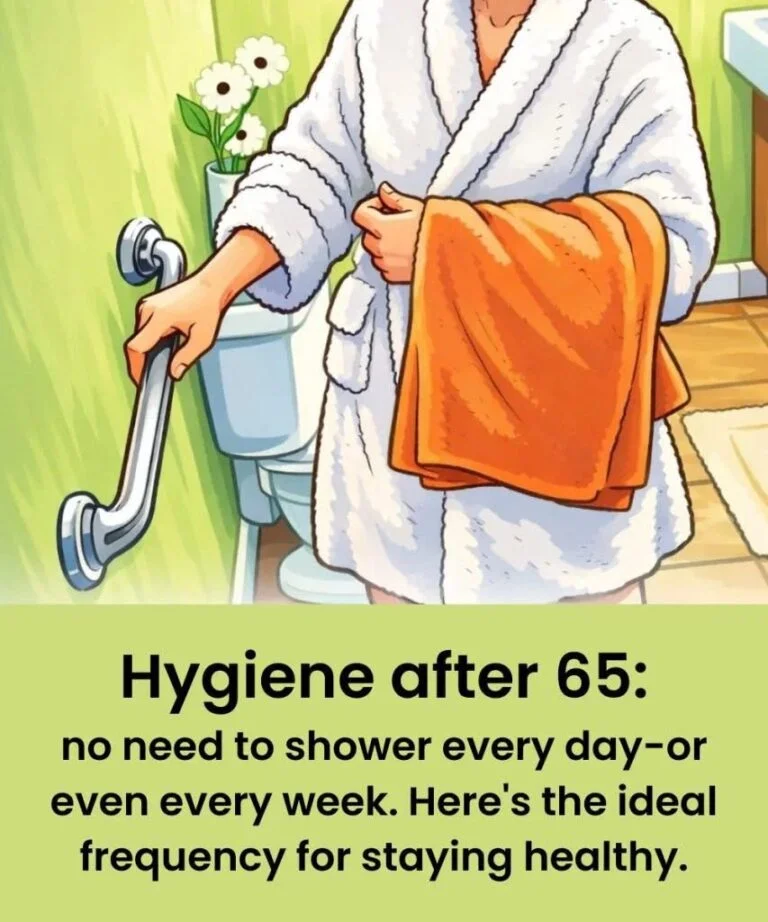
As people age, daily routines, physical needs, and physiological responses naturally shift. Among these changes, personal hygiene habits—specifically how frequently older adults should shower or bathe—often spark surprising debates among medical professionals, caregivers, and seniors themselves. While society has long conditioned individuals to believe that daily showering is necessary for good health, dermatologists and geriatric care experts agree that over-showering in later years can actually do more harm than good.
Understanding the physiological changes that occur in aging skin helps illuminate why adjusting bathing frequency is crucial for maintaining skin integrity, preventing injuries, and supporting overall wellness. Here is a comprehensive guide to understanding personal hygiene after age 65, the ideal bathing frequency, and practical tips for healthy skin maintenance.
Why Aging Skin Requires a Different Hygiene Routine
Skin is the human body’s largest organ, serving as a primary protective barrier against environmental toxins, moisture loss, and bacterial infections. As adults age past 65, structural and physiological changes alter the skin’s natural defenses:
Reduced Sebum and Natural Oil Production
With advancing age, the skin’s sebaceous glands produce significantly less natural oil (sebum). Daily hot showers combined with harsh soaps strip away these essential lipids, leading to chronic dryness, itching, and uncomfortable skin tightness.
Thinning Epidermis and Reduced Elasticity
Aging skin loses collagen and moisture retention capabilities, making it thinner, more fragile, and susceptible to micro-tears. Frequent scrubbing or aggressive towel drying can damage delicate skin layers, creating small openings vulnerable to bacterial or fungal infections.
Altered Microbiome Balance
The skin harbors a delicate ecosystem of beneficial bacteria that protects against harmful pathogens. Over-washing with hot water and antibacterial soaps disrupts this natural skin microbiome, impairing the body’s local immune defenses.
What Is the Ideal Showering Frequency for Seniors?
Dermatologists generally recommend that older adults adjust their full-body bathing schedule based on activity levels, mobility, climate, and overall health.
Full-Body Bathing: Two to Three Times per Week
For most seniors, taking a full-body shower or bath two to three times per week is ideal for maintaining cleanliness while preserving natural skin moisture. On non-shower days, performing targeted sponge baths to clean essential areas—such as the face, underarms, groin, and feet—ensures hygiene without drying out the skin.
Factors That Influence Hygiene Needs
-
Activity and Sweat Levels: Active seniors who exercise regularly or live in warm, humid climates may require more frequent rinses.
-
Incontinence Care: Individuals managing incontinence need targeted, gentle daily hygiene to prevent skin breakdown, dermatitis, and urinary tract infections.
-
Mobility and Fall Risks: Bathrooms present significant slip-and-fall hazards for seniors. Reducing shower frequency minimizes physical strain and fall exposure while ensuring safety measures are taken during bathing days.
Practical Bathroom Safety and Skin Care Tips
Maintaining proper hygiene in older adulthood requires a focus on safety and skin preservation:
-
Install Sturdy Grab Bars: Securely mounting professional grab bars near the shower entrance, inside the stall, and beside the toilet drastically reduces slip hazards.
-
Use Warm, Not Hot Water: High water temperatures strip moisture from skin rapidly. Keep water comfortably warm to prevent scalding and excessive dry skin.
-
Switch to Mild, Hydrating Cleansers: Replace harsh, scented bar soaps with gentle, fragrance-free, moisturizing cleansers or body washes formulated for sensitive skin.
-
Moisturize Immediately After Bathing: Apply a rich, fragrance-free cream or lotion within three minutes of exiting the shower to lock in surface moisture.
-
Use Non-Slip Rubber Mats: Place high-traction non-slip mats both inside the shower tub and on the bathroom floor outside the bathing area.
Financial Considerations: Healthcare, Home Care, and Insurance
Adapting home environments for senior care often intersects with health insurance, long-term care coverage, and personal finance:
-
Medicare and Insurance Coverage: While standard health insurance plans do not typically cover basic home modifications like shower grab bars, certain Medicare Advantage (Part C) plans or long-term care insurance policies offer allowances for safety equipment and home assistance.
-
Preventing Costly Medical Expenses: Falls are a leading cause of expensive hospitalizations and hip surgeries among older adults. Investing in bathroom safety modifications protects both personal health and family finances.
-
Legal and Estate Planning: Establishing medical powers of attorney ensures designated family members can help navigate health decisions and home care services when extra daily assistance is required.
Frequently Asked Questions (FAQ)
Is it safe for seniors to skip showering for several days?
Yes. Skipping full-body showers for several days is perfectly safe and often beneficial for skin health, provided that key areas (face, underarms, and groin) are wiped clean daily using gentle washcloths or cleanser wipes.
How can caregivers make bathing less stressful for seniors with memory loss?
Keep the room warm, maintain a steady routine, use gentle communication, and consider warm sponge baths if full showers cause anxiety or distress for individuals living with dementia.
Should seniors use bath oil to prevent dry skin?
Bath oils can moisturize skin, but they make tub surfaces extremely slippery and dangerous. It is safer to apply moisturizing lotions directly to the skin after drying off.
Rethinking daily hygiene routines allows older adults to preserve skin health, reduce physical strain, and lower the risk of bathroom accidents. Embracing a personalized, balanced approach to personal care ensures comfort, dignity, and long-term vitality.
Scroll down to explore more related articles.
