
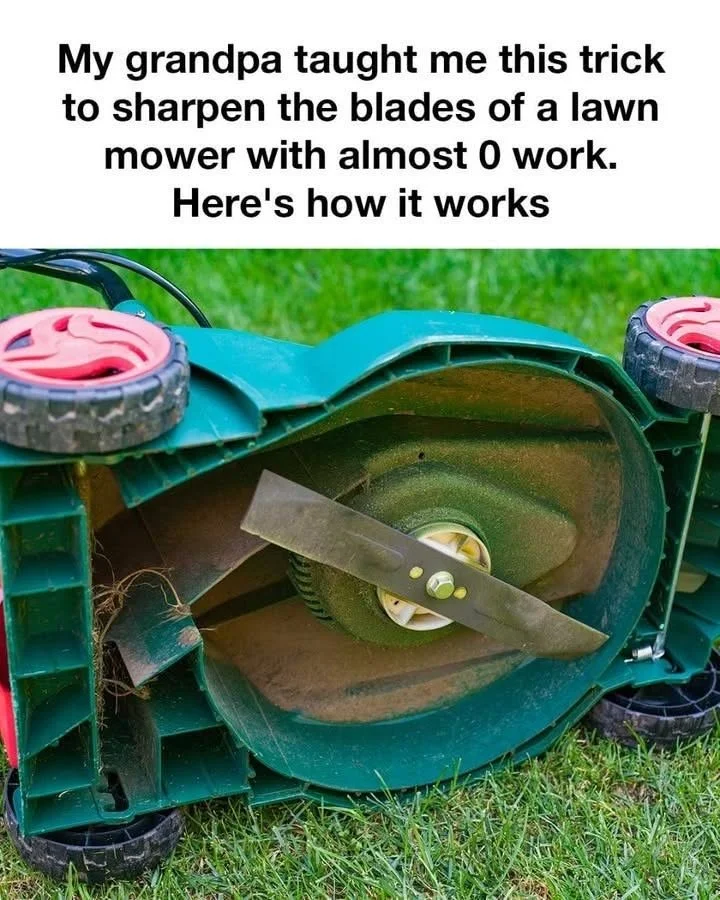
Maintaining a pristine, lush green lawn is a point of pride for homeowners, but achieving that golf-course finish requires sharp mower blades. Over the course of a cutting season, lawn mower blades collide with hidden stones, twigs, and dense turf, turning razor-sharp cutting edges into dull, nicked metal pieces. Mowing with dull blades shreds the tips of grass blades rather than slicing them cleanly, leading to brown, frayed lawn tips, fungal turf diseases, and poor overall yard health.
While many homeowners assume sharpening a lawn mower blade requires taking the equipment to an expensive repair shop, simple DIY methods can restore a sharp cutting edge in minutes. By utilizing basic tools like a bench grinder, an angle grinder, or drill-attached sharpening stones, you can keep your mower cutting effortlessly all season long. Here is a complete guide on how to safely inspect, remove, sharpen, and balance your lawn mower blades at home.
Why Keeping Mower Blades Sharp Matters for Lawn Health
A sharp blade is essential for lawn maintenance and long-term turf quality. When a mower blade is dull, it rips the grass blades instead of cutting them cleanly.
Benefits of Sharp Mower Blades
-
Cleaner Cuts: Cleanly sliced grass heals rapidly, retaining moisture and maintaining a vibrant green color.
-
Disease Prevention: Shredded grass ends leave open, ragged wounds that serve as entry points for lawn diseases, leaf spot, and fungal growth.
-
Better Fuel Efficiency: Sharp blades encounter less physical resistance, allowing your mower engine to run smoothly, consume less gas or electricity, and reduce wear on internal belts and motors.
Simple DIY Sharpening Methods
You do not need heavy industrial machinery to restore your mower blade. Depending on the tools you have in your workshop or garage, several easy techniques exist:
1. The Drill-Powered Blade Sharpening Stone
For quick touch-ups with minimal effort, a drill-mounted sharpening stone attachment is ideal. These inexpensive circular stones fit into standard power drills and feature a built-in plastic guide angle that rests flush against the bevel edge of the blade, restoring the edge in just a few passes.
2. Flat Metal Files (Hand Sharpening)
If you prefer traditional hand tools, a heavy-duty 10-inch mill bastard file works exceptionally well. Clamping the blade securely in a bench vise allows you to push the file smoothly along the factory bevel angle, removing small burrs and restoring sharpness without overheating the metal.
3. Angle Grinders or Bench Grinders
For heavily nicked or severely dulled blades, a bench grinder or an angle grinder equipped with a flap disc rapidly removes damaged metal. Care must be taken to maintain the factory bevel angle (usually 30 to 35 degrees) and avoid overheating the steel, which can weaken the metal temper.
Step-by-Step Guide to Sharpening Your Lawn Mower Blade
Follow these safety precautions and steps to sharpen your mower blade safely:
-
Disconnect Power for Safety: Disconnect the spark plug wire on gas mowers or remove the battery on electric models to prevent accidental engine starts.
-
Tilt the Mower Properly: Tip the mower on its side with the carburetor and air filter facing upward to prevent engine oil or gas from leaking into the air intake.
-
Remove the Retaining Bolt: Wedge a block of wood inside the deck frame to lock the blade in place, then loosen the central mounting bolt using a socket wrench.
-
Clean away Debris: Scrape off built-up grass clippings, dried dirt, and rust using a wire brush.
-
Sharpen the Bevel: Grind or file along the top angled bevel edge, preserving the original factory angle. Avoid sharpening the flat bottom side of the blade.
-
Balance the Blade: Rest the center hole of the blade on a nail driven into a wall or a cone blade balancer. If one side tilts down, gently file more metal off that heavy end until it balances level.
-
Reinstall and Torque: Reattach the blade facing the correct direction and tighten the mounting bolt securely.
Practical Yard Care Tips for Homeowners
A great lawn requires a combination of sharp equipment, proper irrigation, and solid routine care:
-
Mow High: Set your mower deck to a higher setting (3 to 4 inches for most cool-season grasses) to encourage deeper root systems and shade out weeds.
-
Check Lawn for Debris: Clear your yard of small rocks, fallen branches, and toys before mowing to avoid damaging your newly sharpened blades.
-
Maintain Mower Motors: Regularly check engine oil, change air filters, and inspect drive belts to protect your lawn care investment.
-
Invest in Quality Home Tools: Purchasing basic equipment like torque wrenches, safety glasses, and grinding attachments yields significant long-term savings compared to professional service fees.
Interesting Facts About Lawn Mowing Equipment
-
Blade Tip Velocity: The outer tips of a rotary lawn mower blade spin at speeds exceeding 150 to 200 miles per hour, making balance critical to prevent engine vibration and bearing damage.
-
Mulching Blades vs. Standard Blades: Mulching blades feature curved surfaces and additional cutting edges designed to chop grass clippings into tiny nutrient-rich particles that decompose back into the soil.
-
Historical Origins: The first mechanical lawn mower was invented in 1830 by Edwin Budding in England, originally designed to trim carpet velvet before being adapted for grass lawns.
Frequently Asked Questions (FAQ)
How often should I sharpen my lawn mower blades?
As a general rule, sharpen your lawn mower blades after every 20 to 25 hours of use, or roughly twice per mowing season for average residential lawns.
How sharp should a mower blade actually be?
A lawn mower blade should be butter-knife sharp, not razor-sharp. If the edge is made too thin and razor-like, it will quickly chip, roll, and dull when hitting thick grass or tiny twigs.
Why is balancing the blade after sharpening important?
An unbalanced blade causes severe high-speed vibrations while the mower is running, which can loosen hardware, destroy spindle bearings, and cause permanent damage to your engine shaft.
Taking a few minutes to sharpen your mower blade transforms your lawn care routine, saves money on turf repairs, and keeps your yard looking healthy and vibrant all season long.
Scroll down to explore more related articles.
