
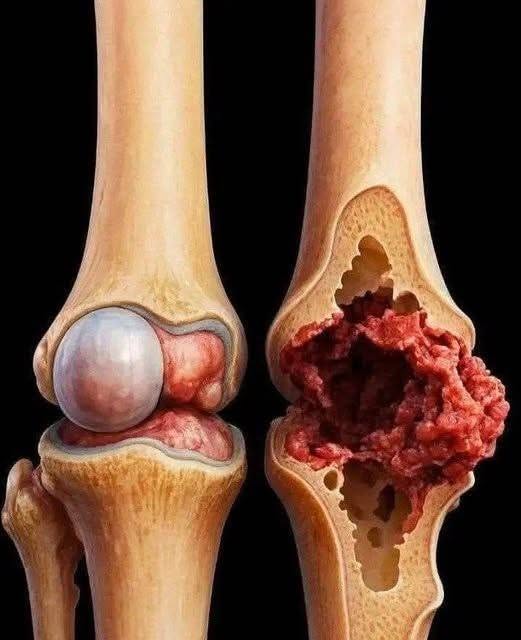
Bone health is vital for mobility, structural support, and overall quality of life. When individuals experience persistent knee pain, joint stiffness, or localized swelling, it can be difficult to distinguish between common degenerative joint conditions like osteoarthritis and serious medical conditions like bone cancer (such as osteosarcoma or chondrosarcoma).
While primary bone cancer is relatively rare, early detection significantly improves treatment outcomes. Understanding how malignant bone tumors impact joint structures compared to normal bone anatomy is key to recognizing when to seek specialized medical evaluation.
This comprehensive guide outlines the primary symptoms of bone cancer, diagnostic methods, modern treatment options, and financial management for serious health conditions.
Key Symptoms of Bone Cancer to Watch For
Unlike temporary injuries or age-related joint wear, symptoms of primary bone cancer tend to progress over time and become increasingly localized:
1. Persistent Bone and Joint Pain
The earliest and most common sign of bone cancer is deep, aching pain in the affected bone or joint. Pain often starts intermittently, becomes constant, and frequently worsens at night or during physical activity.
2. Visible Swelling and Tenderness
As a tumor grows within or around a bone, it causes localized swelling, inflammation, and a noticeable lump or mass over the affected joint or limb area.
3. Weakened Bones and Fractures
Bone tumors weaken healthy bone architecture, making the area vulnerable to pathologic fractures—breaks that occur with minimal pressure or routine daily movements.
4. Reduced Joint Mobility and Stiffness
If a tumor develops near a major joint, such as the knee or shoulder, it can restrict range of motion, cause a limp, or make weight-bearing painful.
5. Systemic Symptoms
Advanced bone cancer may cause general body symptoms including unexplained weight loss, chronic fatigue, fever, and night sweats.
How Bone Cancer Is Diagnosed and Treated
Accurate diagnosis requires advanced medical imaging and biopsy protocols to evaluate bone density, tissue growth, and cellular activity.
-
Diagnostic Imaging: X-rays, MRI scans, CT scans, and bone scans (scintigraphy) allow oncologists to visualize structural bone damage and locate mass locations.
-
Surgical Biopsy: A tissue biopsy is required to examine tumor cells under a microscope and determine whether a lesion is benign or malignant.
-
Treatment Protocols: Depending on the stage and type of cancer, treatment typically involves surgical removal of the tumor (limb-sparing surgery), chemotherapy, radiation therapy, or targeted drug treatments.
Health Care, Insurance, and Financial Management
Navigating serious medical diagnoses like bone cancer demands comprehensive health coverage and long-term financial planning.
Health Insurance and Specialized Oncology Coverage
Managing complex medical conditions requires reliable coverage for diagnostic testing and advanced therapies:
-
Medical Screening Coverage: Standard health and medical insurance policies cover essential diagnostic imaging, biopsies, and specialist consultations with orthopedic oncologists.
-
Treatment Plan Coverage: Comprehensive insurance plans assist in covering complex surgical procedures, chemotherapy regimens, radiation cycles, and physical rehabilitation.
Managing Healthcare and Financial Planning
Facing significant medical treatments highlights the necessity of structured financial planning. Maintaining organized personal finance strategies ensures family stability while protecting long-term investment portfolios, emergency savings, and retirement funds. If unexpected out-of-pocket costs arise during long-term medical care, utilizing structured budgeting or a low-interest personal loan can help manage healthcare expenses responsibly.
Patient Rights and Medical Legal Advocacy
If diagnostic delays or medical negligence compromise cancer treatment outcomes, consulting a specialized medical malpractice attorney clarifies patient rights and legal protection avenues.
Tips for Maintaining Strong Bone Health
-
Maintain Adequate Calcium and Vitamin D Intake: Consume nutrient-rich foods or supplements to support bone density and structural strength.
-
Perform Weight-Bearing Exercises: Engage in regular strength training and walking to stimulate bone remodeling and joint resilience.
-
Never Ignore Persistent Joint Pain: Seek medical evaluation if localized joint pain or swelling lasts longer than two weeks without an obvious cause.
Conclusion: Early Detection Saves Lives
While joint pain is commonly linked to age-related wear, persistent bone tenderness or swelling should never be ignored. By recognizing early signs and utilizing comprehensive health resources, individuals can secure early diagnoses and access life-saving care.
Frequently Asked Questions (FAQ)
1. What is the most common type of primary bone cancer?
Osteosarcoma is the most common primary bone cancer, originating in the cells that form bone tissue, most frequently occurring in children and young adults near the knee or upper arm.
2. How does bone cancer pain differ from arthritis pain?
Arthritis pain typically improves with rest and causes morning stiffness, whereas bone cancer pain often becomes continuous, worsens at night, and does not respond to standard pain relievers over time.
3. Does health insurance cover cancer treatment and chemotherapy?
Yes. Standard medical insurance plans cover medically necessary cancer treatments, including surgery, chemotherapy, radiation, and specialist consultations.
4. Can bone cancer be detected on a standard X-ray?
X-rays often reveal bone abnormalities, fractures, or suspicious lesions, though additional MRI scans and biopsies are required to confirm a cancer diagnosis.
5. Is bone cancer curable if caught early?
Yes. Early-stage bone cancer treated with a combination of surgery and chemotherapy has high survival and remission rates.
