
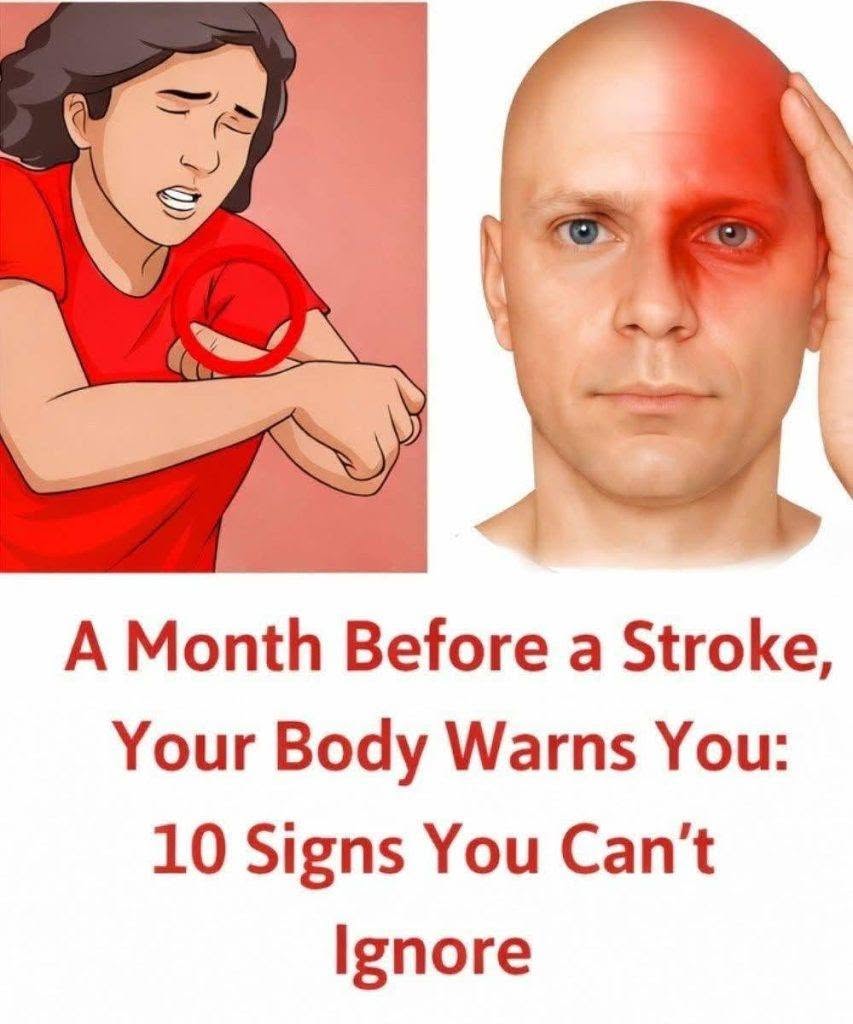
A stroke is a acute medical emergency occurring when blood flow to a portion of the brain is interrupted or reduced, depriving brain tissue of vital oxygen and nutrients. While strokes often occur suddenly, medical research highlights that recognizing warning signs, risk factors, and subtle neurological changes can be life-saving.
Sensationalized headlines on social media often claim that the body gives predictable warnings “a month before a stroke.” While transient ischemic attacks (TIAs) or mini-strokes can occur days or weeks before a full stroke, separating viral myths from established clinical neurology is essential for timely intervention.
This comprehensive guide breaks down stroke risk factors, warning signs, emergency protocols, and preventative strategies to protect your cardiovascular health.
Early Warning Signs vs. Viral Myths
Understanding how warning signals actually manifest helps individuals take appropriate medical action without relying on misleading health claims.
The Truth About “Early Warnings”
-
Transient Ischemic Attacks (TIAs): Often referred to as “warning strokes,” TIAs produce temporary stroke-like symptoms that resolve within minutes or hours. A TIA is a severe warning sign that a major stroke could occur within days or weeks, requiring immediate emergency medical evaluation.
-
Debunking Month-Long Claims: Medical science does not support the idea that the body gives a specific, guaranteed 30-day warning before a stroke. However, persistent hypertension, chronic fatigue, or recurrent headaches warrant thorough clinical checkups.
10 Critical Signs and Risk Factors You Cannot Ignore
Recognizing both acute stroke symptoms and underlying cardiovascular risk factors is critical for early prevention and emergency care:
Acute Emergency Symptoms (BE FAST Protocol)
-
Sudden Facial Drooping: One side of the face sags or feels numb, visible when trying to smile.
-
Arm or Leg Weakness: Sudden numbness or weakness, particularly affecting one side of the body.
-
Speech Impairments: Sudden difficulty speaking, slurred words, or trouble understanding speech.
-
Sudden Vision Changes: Blurred vision, double vision, or sudden loss of sight in one or both eyes.
-
Loss of Balance or Coordination: Sudden dizziness, difficulty walking, or loss of motor control.
-
Severe, Sudden Headache: An abrupt, intense headache with no known cause, often described as a thunderclap headache.
Underlying Risk Factors to Monitor
-
Uncontrolled High Blood Pressure: Chronic hypertension damages blood vessel walls, serving as the leading cause of stroke.
-
Heart Conditions and Arrhythmias: Conditions like Atrial Fibrillation (AFib) increase the risk of blood clots traveling to the brain.
-
Unmanaged Diabetes: High blood sugar levels accelerate plaque buildup in blood vessels.
-
Chronic Smoking and High Cholesterol: Tobacco toxins and elevated lipid levels constrict arteries and impair blood flow.
Healthcare, Insurance, and Financial Protection
Managing stroke prevention and post-stroke rehabilitation involves navigating health services, coverage options, and financial safeguards.
Health Insurance and Diagnostic Screenings
Early detection of stroke risks relies on routine medical screenings:
-
Preventive Care Coverage: Standard health and medical insurance policies cover routine blood pressure checks, cholesterol screenings, and diagnostic imaging (such as carotid ultrasounds or brain MRIs) when prescribed by a doctor.
-
Rehabilitation Coverage: Comprehensive health policies assist with long-term recovery costs, including physical therapy, occupational therapy, and speech therapy following a stroke event.
Financial Planning for Medical Emergencies
Navigating ongoing healthcare or rehabilitation costs requires proactive budgeting. Maintaining emergency savings, managing personal finance goals, and securing investment or retirement accounts protect long-term stability. In acute emergency care situations, utilizing structured personal finance tools or a personal loan can assist families in managing out-of-pocket medical bills without disrupting long-term savings.
Patient Rights and Legal Protections
If a stroke or neurological condition goes misdiagnosed due to medical errors, consulting a specialized medical malpractice attorney or patient advocate helps clarify legal rights, insurance claims, and compensation options.
Daily Tips for Stroke Prevention
-
Monitor Blood Pressure Regularly: Keep track of your blood pressure numbers and work with your physician to maintain target levels.
-
Adopt a Heart-Healthy Diet: Focus on high-fiber foods, fresh vegetables, lean proteins, and low-sodium meals.
-
Engage in Daily Physical Activity: Strive for 150 minutes of moderate aerobic exercise each week to support vascular health.
-
Avoid Tobacco and Limit Alcohol: Quitting smoking and moderating alcohol intake significantly reduces stroke risk.
Conclusion: Act Fast to Save Lives
While internet graphics often simplify complex health conditions, awareness remains your strongest defense. Recognizing acute stroke signs, managing risk factors, and seeking immediate emergency medical care when symptoms arise saves lives and minimizes long-term brain damage.
Frequently Asked Questions (FAQ)
1. Can a stroke give warning signs weeks in advance?
Yes. A Transient Ischemic Attack (TIA) can occur days or weeks before a full stroke, serving as a critical medical warning sign that requires immediate evaluation.
2. What is the BE FAST acronym for stroke recognition?
BE FAST stands for Balance, Eyes, Face, Arms, Speech, and Time (to call emergency services).
3. Does health insurance cover stroke rehabilitation?
Yes. Most medical insurance plans cover post-stroke rehabilitation, including physical, occupational, and speech therapy, up to policy limits.
4. What is the single biggest risk factor for stroke?
High blood pressure (hypertension) is the leading manageable risk factor for both ischemic and hemorrhagic strokes.
5. How quickly should someone seek help for stroke symptoms?
Immediately. Call emergency services (911) right away at the first sign of a stroke, as medical treatments like clot-busting medications must be given within a narrow time window.
