
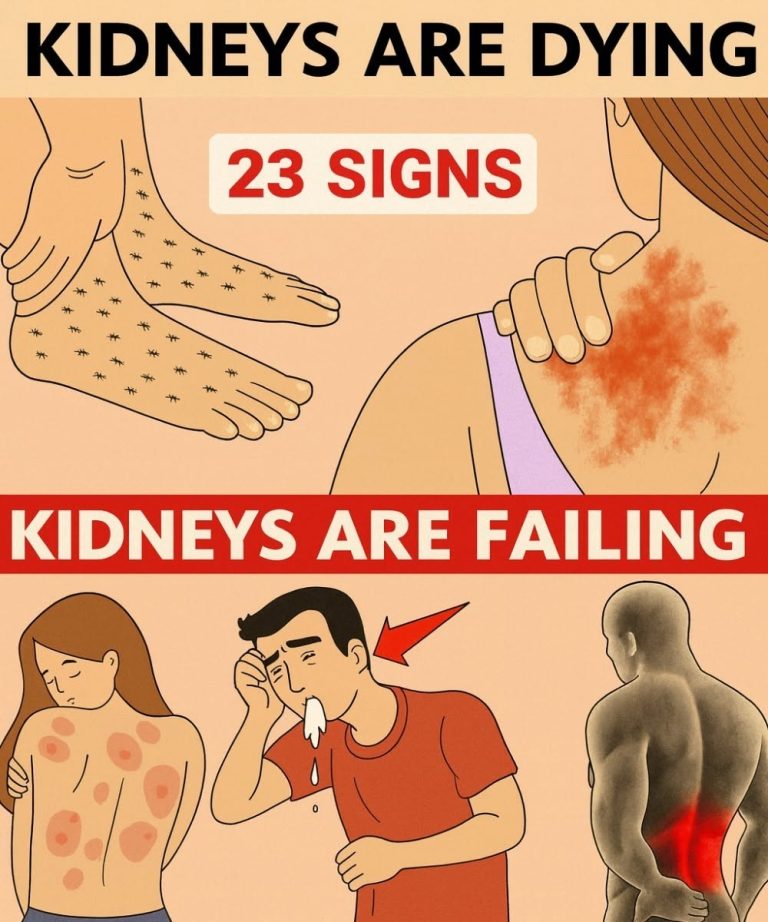
The kidneys are among the most essential filtration systems in the human body. Responsible for removing waste, excess fluid, and toxins from the bloodstream, these bean-shaped organs also regulate blood pressure, balance electrolytes, and stimulate red blood cell production. Because kidneys are remarkably resilient, kidney disease often progresses quietly without causing noticeable symptoms in its earliest stages.
This silent progression is why awareness is critical. Recognizing subtle changes in your body—such as skin irritation, swelling, or digestive distress—can lead to early diagnosis and intervention, potentially preventing chronic kidney disease (CKD) or kidney failure.
This comprehensive guide breaks down the physical signs of kidney dysfunction, underlying causes, diagnostic steps, and practical ways to protect your renal health.
The Silent Nature of Kidney Disease
Kidney dysfunction is frequently referred to as a “silent condition” because the organs can continue performing their duties even after losing a significant portion of their functional capacity.
Why Symptoms Are Often Overlooked
In the early stages, the body adapts to declining kidney function. Subtle warning signs like mild fatigue, dry skin, or occasional ankle swelling are easily attributed to stress, aging, or minor lifestyle factors. By the time clear physical symptoms become unmanageable, kidney impairment may have already progressed significantly.
Regular medical checkups, routine urine tests, and blood work remain the most reliable methods for catching renal issues early.
Key Physical Signs and Symptoms of Kidney Dysfunction
When kidneys struggle to filter toxins and balance fluids, waste products build up in the bloodstream (uremia), leading to systemic physical warning signs.
1. Severe Itching and Rash (Uremic Pruritus)
As waste products accumulate in the blood due to impaired filtration, they can cause intense, persistent itching across the skin, often accompanied by dry, flaky, or inflamed patches. When renal function drops severely, mineral imbalances (such as high phosphorus levels) further exacerbate skin irritation.
2. Fluid Retention and Swelling (Edema)
Decreased kidney function leads to sodium retention and fluid buildup in tissue spaces. This typically presents as:
-
Swelling in the feet, ankles, and legs.
-
Puffiness around the eyes, especially in the morning.
-
Swollen hands or tight-fitting rings.
3. Changes in Urination Patterns
Because kidneys produce urine, alterations in urinary habits are primary indicators of renal health:
-
Foamy or Bubbly Urine: Excessive bubbles indicate protein (albumin) leaking into the urine, a classic sign of damaged kidney filters.
-
Increased Frequency: Needing to urinate more frequently, especially at night (nocturia).
-
Changes in Volume or Color: Urinating significantly less than usual, or noticing dark, tea-colored, or bloody urine.
4. Digestive Symptoms and Nausea
The build-up of waste products (uremia) affects the digestive system, frequently causing loss of appetite, metallic taste in the mouth (ammonia breath), nausea, and vomiting.
5. Persistent Fatigue and Poor Concentration
Kidneys produce a hormone called erythropoietin (EPO), which signals the body to make red blood cells. Damaged kidneys produce less EPO, leading to anemia. This reduction in oxygen-carrying red blood cells causes chronic fatigue, weakness, dizziness, and difficulty concentrating.
6. Flank or Lower Back Pain
Pain originating from kidney issues is typically felt deep in the back, just below the rib cage on one or both sides (flank pain). This discomfort may stem from kidney infections, polycystic kidney disease, or kidney stones.
Causes and Risk Factors for Chronic Kidney Disease
Understanding what damages the kidneys allows individuals to take preventive action long before severe symptoms appear.
Primary Causes of Kidney Damage
-
High Blood Pressure (Hypertension): Uncontrolled high blood pressure damages blood vessels in the kidneys over time, reducing their ability to filter blood efficiently.
-
Diabetes: Elevated blood sugar levels damage the microscopic filtering units (nephrons) inside the kidneys, making diabetes the leading cause of kidney failure.
-
Glomerulonephritis: Inflammation of the kidney’s filtering structures caused by autoimmune conditions or infections.
-
Overuse of Pain Medications: Prolonged or high-dose use of nonsteroidal anti-inflammatory drugs (NSAIDs) such as ibuprofen or naproxen can cause acute or chronic renal damage.
Healthcare, Insurance, and Financial Aspects of Renal Care
Managing long-term conditions like chronic kidney disease involves significant medical care, ongoing diagnostic testing, and health management resources.
Health Insurance and Diagnostic Coverage
Early detection of kidney dysfunction requires routine lab tests, including serum creatinine (to calculate eGFR) and urine albumin tests. Comprehensive health and medical insurance plans generally cover these essential screening tests during annual checkups. For patients progressing to advanced stages of kidney disease, specialized treatments such as dialysis or kidney transplants involve complex coverage rules. Understanding your insurance coverage, deductibles, and out-of-pocket maximums is vital for managing chronic care costs.
Financial Planning and Care Costs
Chronic illness management can create financial strain. Long-term medical visits, specialized medications, and dietary management require structured budgeting. Utilizing Health Savings Accounts (HSAs) or setting aside dedicated emergency funds ensures that unexpected medical bills do not derail long-term investment, retirement, or household finance goals. In some instances, temporary financial tools or a structured personal loan may be used to bridge gaps during specialized treatments.
Legal Protections and Patient Advocacy
Navigating complex medical treatments or workplace accommodations during chronic illness requires awareness of patient rights. Consulting a legal professional or patient advocacy attorney can help individuals understand disability rights, legal protections under federal employment acts, and healthcare proxy documentation.
Prevention and Daily Habits to Protect Your Kidneys
Taking proactive steps today can help preserve kidney function and maintain overall metabolic health.
-
Control Blood Pressure and Blood Sugar: Monitor your levels regularly and work with your physician to keep them within target ranges.
-
Stay Adequately Hydrated: Drinking sufficient water helps the kidneys clear sodium and toxins from the body.
-
Maintain a Balanced Diet: Limit excessive sodium, processed foods, and refined sugars. Focus on nutrient-dense whole foods.
-
Avoid NSAID Abuse: Use over-the-counter pain relievers sparingly and consult your doctor about safer alternatives for chronic pain.
-
Quit Smoking: Smoking slows blood flow to vital organs, including the kidneys, and accelerates vascular damage.
Conclusion: Prioritize Early Detection
Kidney damage often progresses quietly, but paying attention to early body signals—such as persistent itching, swelling, urinary changes, and unexplained fatigue—can make a critical difference. By scheduling routine medical checkups, adopting kidney-friendly lifestyle habits, and addressing risk factors early, you can safeguard your renal health for years to come.
Frequently Asked Questions (FAQ)
1. Can damaged kidneys repair themselves?
In cases of acute kidney injury (sudden damage from infection or medication), kidneys can often recover with prompt treatment. However, damage from chronic kidney disease (CKD) is generally irreversible, though proper management can slow or halt further progression.
2. What is the difference between kidney pain and normal lower back pain?
Kidney pain is felt higher in the back (under the rib cage), deeper inside the body, and often occurs on one side. It is typically constant and may be accompanied by fever or changes in urine, whereas muscle back pain is usually lower, sharp, and worsens with movement.
3. Does health insurance cover kidney dialysis and transplants?
Yes. In the United States, individuals diagnosed with End-Stage Renal Disease (ESRD) generally qualify for Medicare coverage regardless of age, in addition to coverage provided by private medical insurance policies.
4. How do doctors test for kidney function?
Doctors primarily use two simple tests: a blood test measuring serum creatinine to calculate your Estimated Glomerular Filtration Rate (eGFR), and a urine test to check for protein (albumin).
5. What foods should people with kidney issues avoid?
Depending on the stage of kidney disease, patients may need to limit sodium, potassium, phosphorus, and excessive protein to reduce stress on the kidneys. Always consult a renal dietitian for personalized advice.
