
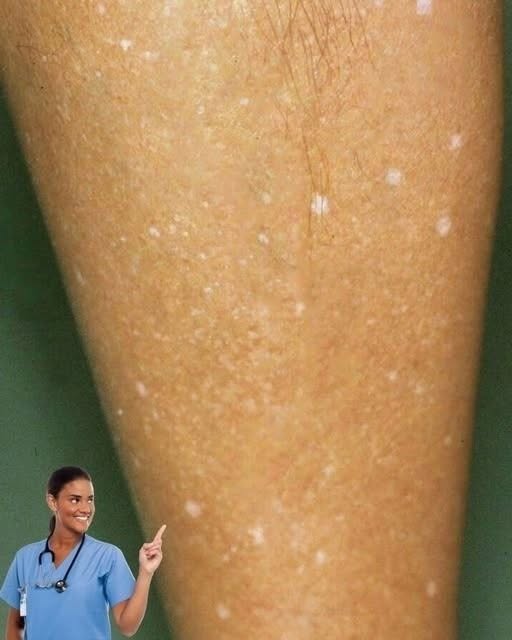
Noticing unusual changes on your skin can spark immediate concern. Among the most common dermatological occurrences are small, flat, porcelain-like white spots that appear on the arms, legs, shins, or shoulders. Often mistaken for dry skin or a sign of vitamin deficiency, these small white marks—medically known in most cases as idiopathic guttate hypomelanosis (IGH)—are extremely common, especially as we age.
While these spots are generally benign and harmless, understanding their causes, distinguishing them from other skin conditions, and knowing how to care for your skin is essential for peace of mind.
This comprehensive guide breaks down the science behind these white spots, potential treatments, and practical ways to protect your skin health long-term.
Understanding Idiopathic Guttate Hypomelanosis (IGH)
If you have tiny, teardrop-shaped white spots on sun-exposed areas like your shins, forearms, or upper back, you are likely experiencing idiopathic guttate hypomelanosis (IGH).
What Does IGH Mean?
-
Idiopathic: The exact, precise origin is unknown.
-
Guttate: Shaped like teardrops or small drops.
-
Hypomelanosis: A loss of melanin or pigment in localized areas of the skin.
These spots are usually small (1 to 3 millimeters in diameter), smooth, and completely painless. They do not itch, bleed, or turn into skin cancer. Instead, they occur when pigment-producing cells (melanocytes) in tiny patches of the skin gradually decrease in number or stop producing melanin altogether.
What Causes IGH White Spots?
-
Cumulative Sun Exposure: Long-term ultraviolet (UV) exposure from the sun breaks down cellular activity in the skin over decades. This is why IGH spots frequently appear on areas exposed to the sun and are more common in people over the age of 40.
-
Natural Aging Process: As the body ages, melanocytes naturally decline. In localized areas, the skin simply stops manufacturing pigment.
-
Genetic Predisposition: If your parents or close family members developed small white spots on their legs or arms, you are more likely to develop them as well.
Other Potential Causes of White Spots on the Skin
While IGH is the most frequent diagnosis for tiny white dots on the legs and arms, several other dermatological conditions can cause white patches or hypopigmentation.
1. Tinea Versicolor
This is a harmless, common fungal infection of the skin’s surface caused by an overgrowth of natural yeast. It often appears as small, slightly scaly light or discolored spots on the chest, back, or upper arms. Unlike IGH, tinea versicolor can be treated effectively with over-the-counter antifungal creams or shampoos.
2. Vitiligo
Vitiligo is an autoimmune condition where the immune system mistakenly attacks the body’s melanocytes. Unlike small IGH spots, vitiligo typically presents as larger, expanding white patches that can affect any part of the body, including hair and mucous membranes.
3. Pityriasis Alba
Commonly seen in children and young adults with eczema or sensitive skin, pityriasis alba creates dry, pale, slightly elevated patches on the face and arms. These usually fade on their own with proper moisturizing and mild skincare.
4. Post-Inflammatory Hypopigmentation
When the skin recovers from an injury, burn, bug bite, or inflammatory flare-up (like severe acne or eczema), the healing skin tissue may temporarily lose pigment, leaving light marks behind.
Medical Treatments and Skincare Solutions
Because IGH spots are completely harmless, medical treatment is generally not necessary. However, for those seeking cosmetic improvement, several dermatological options exist.
Professional Dermatological Procedures
If you are bothered by the appearance of white spots, consulting a board-certified dermatologist can provide access to advanced aesthetic options:
-
Topical Retinoids: Prescription-strength vitamin A derivatives can stimulate cell turnover and encourage pigment production in some cases.
-
Cryotherapy: Light application of liquid nitrogen can gently exfoliate the spot, sometimes prompting the surrounding skin cells to regenerate pigment.
-
Laser Therapy: Specific fractional lasers can stimulate melanocytes near the border of the spot to migrate into the unpigmented area.
-
Microdermabrasion or Chemical Peels: Superficial exfoliation techniques can smooth skin texture and improve overall skin tone consistency.
Healthcare, Insurance, and Legal Aspects of Skin Care
Navigating skin health often involves understanding healthcare coverage, insurance policies, and patient rights.
Health Insurance and Specialist Visits
When seeking evaluation for skin changes, it is important to know how your health and medical insurance handles dermatological care.
-
Diagnostic Consultations: Visits to evaluate new spots, moles, or lesions are typically covered under standard medical insurance policies, minus applicable copays or deductibles.
-
Cosmetic Exclusions: Treatments specifically aimed at improving the appearance of benign spots like IGH are generally categorized as cosmetic and may require out-of-pocket payment.
-
Pre-Authorization: Some insurance plans require a referral from a primary care physician before seeing a dermatologist or approving specialized diagnostic procedures.
Managing Medical Finances
Dermatological procedures and specialized prescription creams can involve out-of-pocket expenses. Utilizing Health Savings Accounts (HSAs) or Flexible Spending Accounts (FSAs) allows patients to pay for eligible medical costs tax-free. For more extensive dermatological procedures, exploring flexible financial options or a low-interest personal loan can help manage healthcare expenses without disrupting your broader finance or investment strategy.
Patient Rights and Legal Protections
If misdiagnosis or improper cosmetic procedures result in severe skin damage or scarring, consulting a legal professional or medical malpractice attorney can help clarify patient rights and consumer protections under health regulations.
Prevention and Daily Skin Protection Tips
While you cannot completely halt the natural aging process, proactive daily care can significantly reduce the development of new white spots and protect your overall skin integrity.
-
Broad-Spectrum Sunscreen: Apply a broad-spectrum sunscreen with SPF 30 or higher daily to all exposed skin, even on cloudy days. Sunscreen prevents further cumulative UV damage to melanocytes.
-
Protective Clothing: Wear long-sleeved lightweight shirts, wide-brimmed hats, or UV-protective clothing when spending extended periods outdoors.
-
Moisturize Daily: Keep the skin barrier hydrated using fragrance-free moisturizers rich in ceramides and hyaluronic acid to prevent dryness and irritation.
-
Avoid Harsh Exfoliation: Avoid scrubbing the skin aggressively with stiff brushes or harsh chemical scrubs, which can irritate melanocytes and cause post-inflammatory skin changes.
Conclusion: Emphasizing Safety and Confidence
Small white spots on the arms and legs are a natural, harmless part of how human skin matures after years of sun exposure. Understanding that conditions like idiopathic guttate hypomelanosis are cosmetic rather than dangerous provides peace of mind.
By maintaining daily sun protection, practicing gentle skincare habits, and consulting a healthcare professional for new or changing skin spots, you can ensure your skin remains healthy, protected, and vibrant for years to come.
Frequently Asked Questions (FAQ)
1. Are small white spots on the skin a sign of skin cancer?
No. Idiopathic guttate hypomelanosis (IGH) spots are benign and do not develop into skin cancer. However, any new, rapidly changing, or irregular skin mark should be examined by a doctor to rule out other issues.
2. Can a calcium or vitamin deficiency cause these white spots?
Contrary to popular belief, small white IGH spots are not caused by a lack of calcium or vitamins in your diet. They are primarily caused by sun exposure and natural aging of pigment cells.
3. Will white spots from sun exposure go away on their own?
IGH spots generally do not fade on their own because the pigment cells in those tiny areas have stopped working. However, proper sun protection prevents new spots from forming.
4. Does health insurance cover laser treatment for white spots?
Most insurance providers consider laser treatment or microdermabrasion for IGH to be cosmetic procedures, meaning they are typically paid out-of-pocket rather than covered by medical insurance.
5. How can I tell the difference between IGH and vitiligo?
IGH spots remain tiny (1–3 mm), smooth, and localized mainly on sun-exposed limbs. Vitiligo patches are usually larger, irregular in shape, and can spread to non-sun-exposed areas, hair, and mucous membranes.
Scroll down to explore more related articles.
