
Beets are celebrated by chefs, home cooks, and nutrition enthusiasts worldwide for their rich earthy flavor, vibrant crimson color, and impressive nutritional profile. From roasted beet salads topped with goat cheese to hearty borscht soups and refreshing cold-pressed juices, this versatile root vegetable adds incredible depth and beauty to any dish. However, despite their many culinary benefits, beets have earned a widespread reputation for being messy and frustrating to prepare.
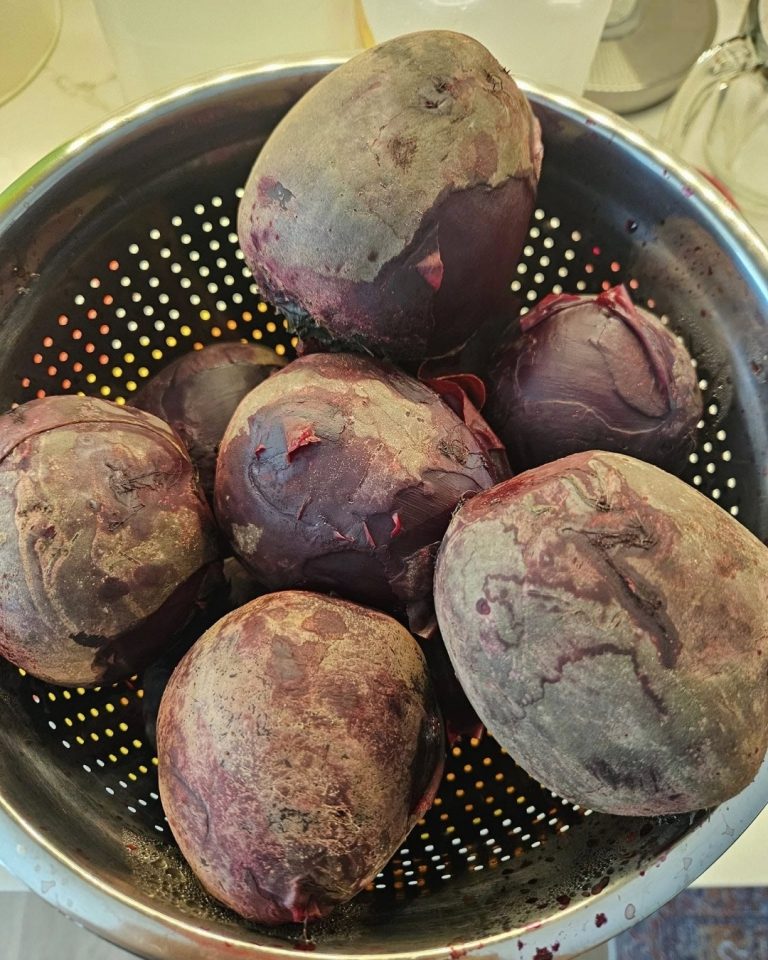
Anyone who has tried peeling fresh beets with a standard vegetable peeler knows the struggle: tough outer skin that resists razor blades, messy red juice splashing across kitchen countertops, and deep crimson stains clinging to fingers and fingernails for days. The photo above shows freshly boiled beets resting in a colander, cooked to absolute perfection and waiting for the ultimate kitchen hack that makes peeling them effortless.
In this deep dive, we will reveal the foolproof “boil and slip” technique to peel beets without peeling knives or stained hands, explore the nutritional power of beets, compare culinary cooking methods, and discuss how healthy home cooking supports lifelong wellness.
The “Boil and Slip” Technique: How to Peel Beets in Seconds
Forget struggling with a sharp hand peeler or creating a red dye mess across your cutting board. The absolute easiest way to peel beets relies on heat, moisture, and thermal shock.
       +-------------------------------------------------------+
       |             THE PERFECT BEET-PEELING METHOD           |
       +-------------------------------------------------------+
                                   |
                                   v
                      +-------------------------+
                      | BOIL BEETS WHOLE        |
                      | (Leave skin & roots on) |
                      +-------------------------+
                                   |
                                   v
                      +-------------------------+
                      | ICE WATER BATH IMMERSION|
                      | (Thermal Shock Action)  |
                      +-------------------------+
                                   |
                                   v
                      +-------------------------+
                      | SLIP SKINS OFF BY HAND  |
                      | (Gently rub with thumbs)|
                      +-------------------------+
                                   |
                                   v
                      +-------------------------+
                      | SLICE, SERVE, & ENJOY!  |
                      +-------------------------+
Step-In-Step Guide
-
Leave the Skins Intact Before Cooking: Wash whole beets gently under cool water to remove surface soil. Leave the skin, stem roots, and about an inch of the top stem intact to prevent the nutrient-dense juices from bleeding out into the water during cooking.
-
Boil Until Tender: Place the beets in a large pot of boiling water. Reduce to a simmer, cover, and cook for 30 to 50 minutes (depending on size) until a fork slides easily into the center.
-
Submerge in an Ice Bath: Transfer the hot beets immediately into a bowl filled with ice water using a slotted spoon or colander. Let them sit for two to three minutes.
-
Slip the Skins Off: Take a beet between your hands and gently press your thumbs against the surface. The outer skin will instantly slide off cleanly under gentle pressure, leaving behind smooth, perfectly cooked beet flesh without using a single blade!
The Health Benefits of Beets: A Nutritional Powerhouse
Adding fresh beets to your daily diet provides exceptional health benefits, supported by modern nutritional science and clinical research.
1. Rich in Natural Dietary Nitrates
Beets are one of the richest plant sources of naturally occurring inorganic nitrates. Once consumed, the body converts these nitrates into nitric oxide—a compound that relaxes and dilates blood vessels, supporting healthy blood pressure levels and improving overall cardiovascular circulation.
2. High in Betalains and Antioxidants
The deep ruby red color of beets comes from betalains, a powerful class of water-soluble antioxidants. Betalains help fight oxidative stress, reduce inflammation throughout the body, and support optimal cellular detox pathways in the liver.
3. Packed with Essential Vitamins and Fiber
Beets are low in calories yet rich in essential nutrients:
-
Folate (Vitamin B9): Vital for cell growth, tissue function, and DNA synthesis.
-
Manganese: Supports bone formation, nutrient metabolism, and brain health.
-
Dietary Fiber: Promotes healthy digestive motility, feeds gut microbiota, and aids in blood sugar management.
Comparing Popular Beet Cooking Methods
Depending on your recipe, different cooking techniques bring out distinct flavors and textures in beets.
| Cooking Method | Prep Work Required | Cooking Time | Resulting Flavor & Texture | Ease of Peeling |
| Boiling (The Classic) | Trim tops, keep skin intact | 30 – 50 minutes | Mild, tender, juicy, and smooth | Extremely easy (skins slip off in ice water) |
| Roasting in Foil | Wrap whole beets tightly in foil | 45 – 60 mins at 400°F | Deeply caramelized, rich, and sweet | Very easy (skins rub off with paper towels) |
| Steam Cooking | Place whole in steamer basket | 30 – 40 minutes | Retains vibrant color and natural vitamins | Easy (skins peel off smoothly after cooling) |
| Raw Grating | Heavy peeling with sharp peeler | Minimal (Raw prep) | Crunchy, earthy, and peppery | Moderate / High effort (Requires peeler) |
Supporting Vibrant Health, Healthcare, and Financial Stability
Embracing wholesome, home-cooked meals centered around nutrient-dense vegetables like beets is a foundational step toward lifelong vitality. Achieving complete peace of mind, however, involves balancing healthy daily habits with sound life management.
Prioritizing Preventative Healthcare
A diet rich in colorful vegetables supports heart health, metabolic function, and energy levels. Pairing good nutrition with comprehensive health insurance ensures access to routine health checkups, cardiovascular screenings, and preventative care, protecting your family against unexpected health expenses.
Building Financial Peace and Reducing Stress
Managing personal and household responsibilities effectively lowers stress, allowing you to enjoy cooking and quality time with loved ones:
-
Financial Planning: Managing mortgage payments, keeping up with personal loans, eliminating credit debt, and building emergency savings build a firm financial safety net.
-
Legal and Home Protection: Securing proper home insurance, updating estate plans, legal services, and business operations protects hard-earned family assets.
-
Balanced Lifestyle: Daily physical activity, home-cooked whole foods, adequate sleep, and mental relaxation work together to support long-term well-being.
Practical Kitchen Tips for Storing and Preparing Beets
To get the most out of your fresh beets, follow these practical chef tips:
-
Don’t Throw Away the Beet Greens: The leafy green tops are edible, highly nutritious, and taste similar to Swiss chard or spinach! Sauté them with olive oil, garlic, and sea salt for a delicious side dish.
-
How to Remove Stain Marks from Skin: If red beet juice gets on your hands, rub your skin with a cut lemon half and coarse salt or baking soda, then wash with warm soap and water—the citric acid breaks down the pigment instantly!
-
Proper Fridge Storage: Cut the leafy tops off fresh beets (leaving an inch of stem) and store the roots in a breathable bag in your refrigerator crisper drawer for up to three weeks.
-
Use Parchment Paper for Cutting: Place a piece of parchment paper over your cutting board when slicing beets to keep wooden or plastic boards completely stain-free.
Fascinating Historical Facts About Beets
-
Ancient Mediterranean Origins: Ancient Greeks and Romans initially cultivated beets for their edible leaves rather than the roots, using the taproots primarily for medicinal remedies.
-
The Sugar Beet Revolution: In the 19th century, scientists discovered that certain white beet varieties contained high concentrations of sucrose, leading to sugar beets becoming a major global source of commercial sugar today!
-
Cosmetic Uses in History: In Victorian times, women used fresh beet juice as a natural lip tint and cheek blush long before commercial makeup was widely available.
Conclusion
Preparing fresh beets does not have to mean messy cutting boards and stained hands. By boiling whole beets and plunging them into an ice bath, the skin slips off effortlessly, giving you perfect, tender beets ready for salads, side dishes, or healthy meal prep.
By pairing healthy home-cooked nutrition with regular checkups, quality healthcare, and sound financial management, you invest in a bright, vibrant future. Try this simple kitchen trick next time you buy fresh beets and enjoy stress-free cooking!
Frequently Asked Questions (FAQ)
Q1: Why is it easier to peel beets after boiling them?
Boiling loosens the outer skin from the inner flesh, and plunging the hot beets into an ice water bath causes rapid cooling (thermal shock) that forces the skin to contract and slip off smoothly.
Q2: Should I remove beet skin before cooking?
No! Leaving the skin on while boiling or roasting keeps the delicious juices and natural pigments locked inside the beet, preventing it from losing flavor and bleeding into cooking water.
Q3: Are beets good for high blood pressure?
Yes. Beets are rich in natural nitrates, which convert into nitric oxide in the body to help relax blood vessels and support healthy blood circulation.
Q4: How do I get beet stains out of a wooden cutting board?
Sprinkle coarse salt and baking soda over the stain, then scrub vigorously with half a lemon. The natural acid and mild abrasive action lift the red pigment safely.
Q5: Can you eat beet skin?
Yes, beet skin is edible and packed with fiber. However, because cooked beet skin can be tough and earthy, many people prefer slipping it off for smoother culinary dishes.
