
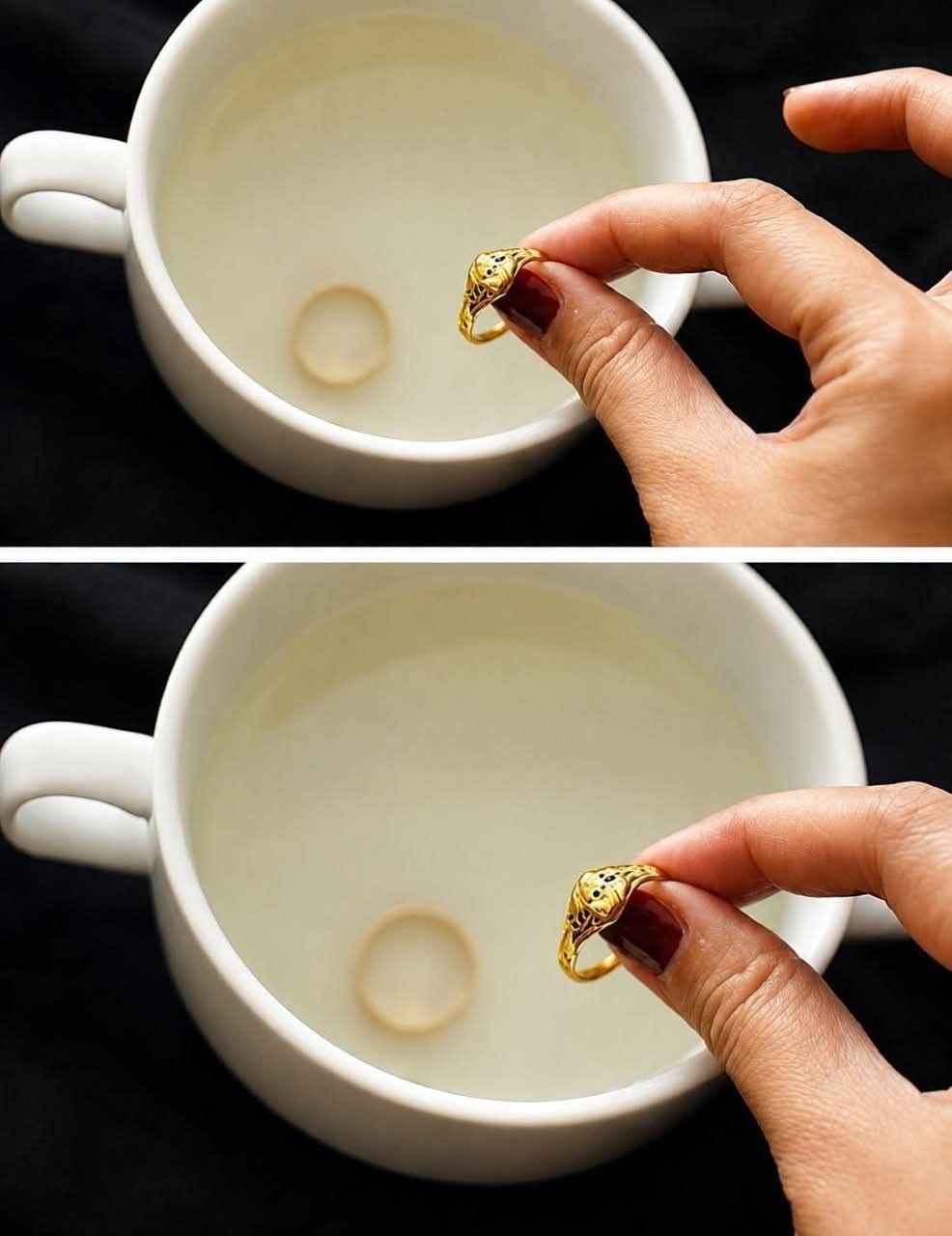
Owning fine jewelry is a wonderful way to celebrate milestones, express personal style, and invest in timeless luxury. From gleaming gold rings to delicate necklaces and heirloom pieces, precious metals hold both sentimental and monetary value. However, ensuring the authenticity and quality of your jewelry is essential—especially when buying vintage pieces or testing items found at estate sales.
Understanding how precious metals are tested, exploring safe cleaning and preservation methods, and appreciating how jewelry ownership connects to broader topics like retail economics, insurance, estate planning, and financial security is essential. In this comprehensive guide, we will explore the science of gold testing, practical jewelry care tips, and how proper property management keeps you fully supported.
Understanding Gold Testing and Metal Purity
Determining whether gold is authentic and understanding its exact purity (measured in karats) involves specific chemical and physical characteristics unique to precious metals. Real gold is famously non-reactive, meaning it does not tarnish, rust, or dissolve easily when exposed to common household elements.
-
The Density Test: Pure gold is exceptionally dense; compared to base metals plated with gold, genuine solid gold jewelry feels notably heavy for its size.
-
Acid Testing and Professional Methods: Jewelers often use specialized nitric acid test kits or electronic testers to verify purity without damaging the piece.
-
Visual and Magnetic Checks: Genuine gold is non-magnetic; if a piece of jewelry strongly sticks to a household magnet, it is likely a base metal with a thin gold plating.
Practical Tips for Caring for Your Fine Jewelry
To ensure your treasured gold pieces remain bright, undamaged, and secure for years to come, consider incorporating these practical strategies into your routine:
-
Clean Gently: Soak gold jewelry in warm water mixed with a few drops of mild dish soap, then gently scrub with a soft-bristled toothbrush before rinsing.
-
Store Separately: Store individual pieces in soft cloth pouches or lined jewelry boxes to prevent scratching and tangling.
-
Remove During Chores: Take off rings and bracelets before swimming in chlorinated pools, cleaning with harsh chemicals, or lifting heavy objects.
-
Consult Professional Jewelers: For appraisal, professional cleaning, prong tightening, or formal authenticity testing, schedule a visit with a certified jeweler.
Interesting Facts About Gold History and Properties
-
Extraterrestrial Origins: Scientific studies suggest that most of the gold found on Earth was delivered by ancient meteorite impacts billions of years ago.
-
Incredible Malleability: Gold is the most malleable and ductile metal known to science; a single ounce of gold can be beaten into a microscopic sheet covering 300 square feet or drawn into a wire miles long.
-
Timeless Durability: Because gold does not react with oxygen or moisture, ancient gold artifacts unearthed from archaeological sites thousands of years ago still shine with their original luster.
Financial, Insurance, and Legal Aspects of Fine Jewelry
Managing valuable jewelry collections, insuring high-value heirloom pieces, or appraising assets for estate planning involves important personal and financial considerations. Ensuring that your homeowner’s or renter’s insurance policy includes a scheduled personal property rider for fine jewelry protects you against loss, theft, or damage. Furthermore, keeping proper appraisal documentation ensures long-term financial security.
Conclusion
Fine jewelry represents a blend of exquisite craftsmanship, personal history, and lasting value. By understanding how to authenticate precious metals, practicing proper daily care, and protecting your investments through insurance and professional appraisals, you can enjoy your treasured pieces with total peace of mind.
Frequently Asked Questions (FAQ)
How can you tell if gold jewelry is real at home?
Common preliminary tests include checking for hallmark stamps (like 14K or 18K), checking if the metal is non-magnetic, and evaluating its weight and density, though definitive testing requires a professional jeweler.
Does real gold tarnish or change color?
No! Genuine gold is a noble metal, meaning it does not oxidize, rust, or tarnish when exposed to air or water. If a piece turns green or discolors, it is likely gold-plated base metal.
How often should fine jewelry be professionally inspected?
It is recommended to have a professional jeweler inspect your valuable rings and gemstone settings every six to twelve months to check for loose prongs or wear.
