
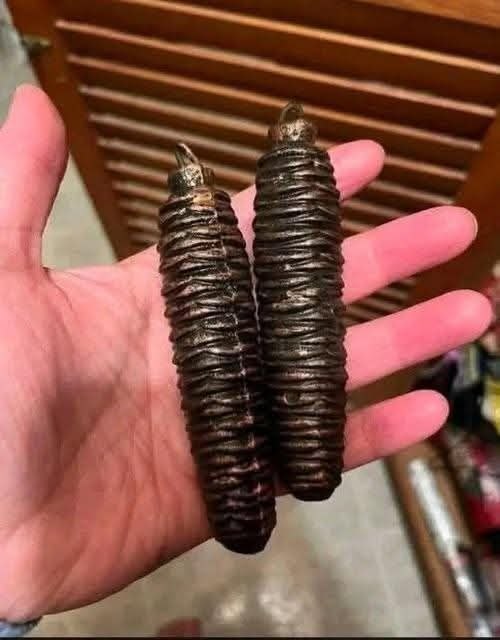
Exploring antiques, vintage timepieces, and historical household items offers a fascinating glimpse into the craftsmanship of past centuries. From intricate pocket watches to classic mechanical clocks, antique horology represents a blend of engineering, artistry, and tradition. Among the most recognizable components of traditional mechanical clocks—particularly Black Forest cuckoo clocks—are the heavy cast-iron weights that power the internal clockwork.
Understanding how mechanical clocks operate, exploring the history of horology, and appreciating how antique care connects to broader topics like retail economics, estate planning, property insurance, and legal valuation is essential. In this comprehensive guide, we will explore the purpose of cuckoo clock weights, practical tips for maintaining antique timepieces, and how proper preservation keeps your collection fully supported.
Understanding Mechanical Clock Weights and Horology
Traditional mechanical clocks rely on gravity and tension rather than batteries or electrical currents to keep time. Weight-driven clocks use suspended metal weights that gradually descend as gravity pulls them down, slowly unwinding internal cords or chains that power the movement.
-
The Anatomy of Clock Weights: Shaped distinctively like pinecones, these heavy iron or cast-metal weights are specifically designed to honor the traditional craftsmanship of the Black Forest region in Germany.
-
Energy Storage: As the weights slowly drop over the course of a day or week, they store and release the precise kinetic energy required to move the pendulum and gear train.
-
Calibrated Masses: Different clock movements require specific weight measurements; using incorrect or mismatched replacement weights can cause a clock to run too fast, too slow, or stop entirely.
Practical Tips for Maintaining and Preserving Antique Clocks
To ensure your vintage mechanical clocks and horological collectibles remain in excellent working order, consider incorporating these practical strategies into your routine:
-
Handle with Care: Always wear clean cotton gloves or handle cast-iron weights carefully to prevent skin oils from causing rust or corrosion.
-
Wind Gently: Wind weight-driven or spring-driven clocks regularly and steadily, taking care never to over-wind the mechanism.
-
Keep Away from Elements: Position antique clocks away from drafty windows, direct sunlight, and sources of excessive humidity or temperature swings.
-
Consult Professional Horologists: For deep cleaning, repairs, or recalibration of delicate antique clock movements, schedule an evaluation with a certified professional clockmaker.
Interesting Facts About Clockmaking History
-
The Black Forest Tradition: Wooden-geared and weight-driven clockmaking flourished in the Black Forest region of Germany during the 18th and 19th centuries, eventually evolving into world-famous cuckoo clock artistry.
-
Pinecone Symbolism: The iconic pinecone shape of cuckoo clock weights was inspired by the native evergreen trees surrounding the artisan workshops in Germany.
-
Gravity’s Precision: Because mechanical clocks depend entirely on steady gravitational pull and pendulum oscillation, even slight shifts in a clock’s level position on a wall can affect its timing accuracy.
Financial, Insurance, and Legal Aspects of Antique Collecting
Managing an antique collection, investing in vintage timepieces, or appraising family heirlooms involves important personal and financial considerations. Ensuring that your valuable collectibles are properly documented and covered under specialized homeowner or fine arts insurance policies provides invaluable peace of mind. Furthermore, understanding provenance and estate laws helps collectors manage their assets wisely.
Conclusion
Antique timepieces and traditional mechanical objects carry rich historical value and incredible mechanical ingenuity. By understanding how clock weights function, practicing proper antique preservation, and consulting horology professionals when needed, you can protect your valuable pieces and enjoy their timeless charm for generations to come.
Frequently Asked Questions (FAQ)
What are these metal pinecone-shaped objects used for?
These are traditional cast-iron weights used to power mechanical clocks, most notably classic Black Forest cuckoo clocks, where gravity slowly pulls them down to drive the internal gears and pendulum.
Why are cuckoo clock weights shaped like pinecones?
The pinecone design is a traditional aesthetic homage to the dense pine forests of the Black Forest region in Germany, where modern cuckoo clockmaking traditions originated.
How do you care for antique mechanical clocks?
Proper care involves keeping the clock level, winding it gently on a consistent schedule, protecting it from humidity, and having the internal movement professionally serviced every few years.
