
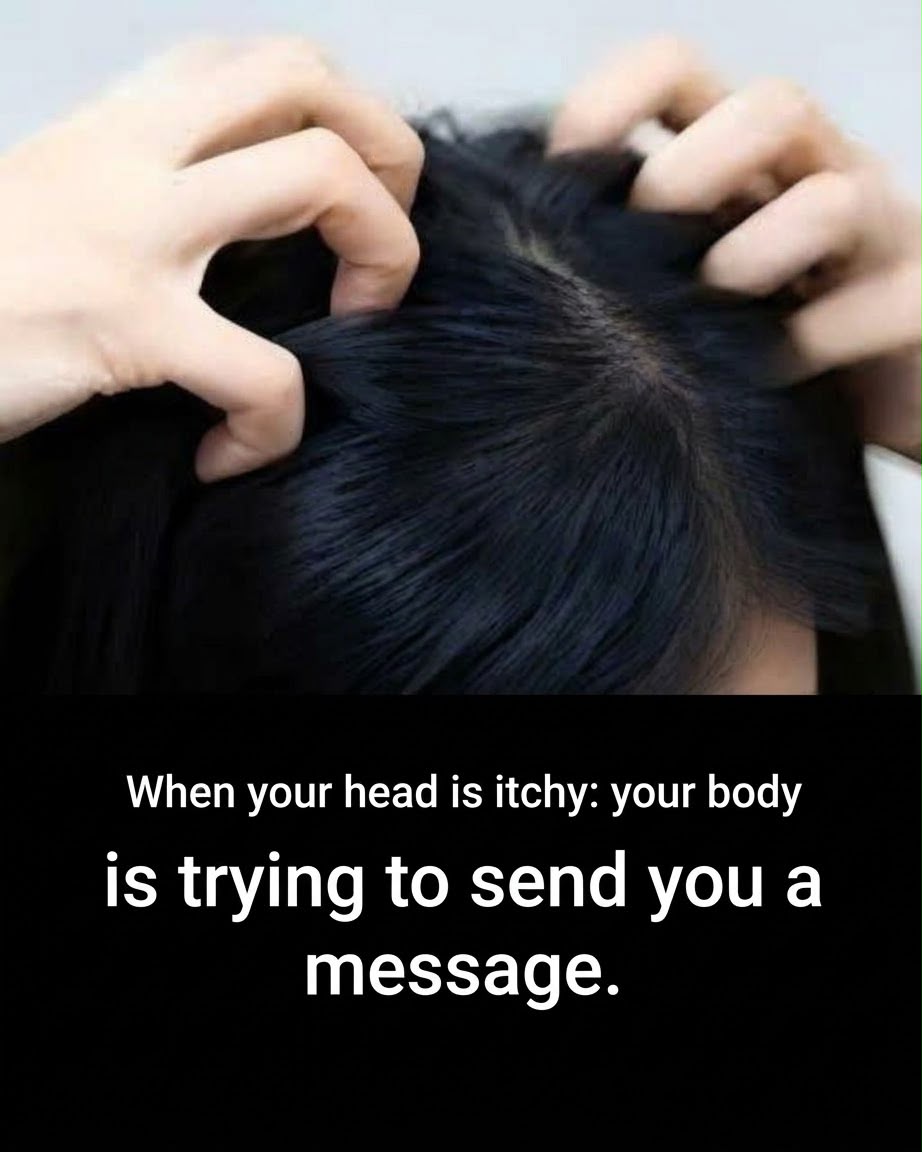
An itchy scalp is a remarkably common nuisance that almost everyone experiences at some point in life. Whether it manifests as a mild, occasional tickle or a persistent, intense urge to scratch, scalp discomfort can quickly turn into a daily disruption. While many people brush off an itchy scalp as a minor inconvenience caused by dry weather or a cheap shampoo, dermatologists emphasize that persistent itching—known medically as scalp pruritus—is often a direct signal from your body that something deeper requires attention.
The skin on your scalp is an active ecosystem complete with blood vessels, hair follicles, sebaceous (oil) glands, and a delicate microbiome of beneficial microorganisms. When this balance is disrupted, your scalp reacts through inflammation, flaking, redness, or itching. Understanding what your body is trying to communicate through these symptoms is crucial for finding targeted relief and maintaining optimal overall health.
In this comprehensive guide, we will break down the most common underlying causes of scalp itchiness, explore potential systemic medical connections, discuss home care strategies and clinical treatments, and look at how managing skin health intersects with broader wellness and financial security.
Uncovering the Root Causes: Why Is Your Scalp Itching?
Scalp itching can stem from a wide spectrum of factors, ranging from benign environmental triggers to chronic dermatological conditions. Pinpointing the exact cause is the first step toward effective treatment.
1. Seborrheic Dermatitis (Dandruff)
Seborrheic dermatitis is among the most frequent causes of an itchy, flaky scalp. Driven by an overgrowth of Malassezia, a yeast naturally present on the skin, this inflammatory condition leads to greasy, yellowish or white flakes, localized redness, and persistent itching. While milder forms are commonly known as dandruff, severe flare-ups can spread behind the ears and across the eyebrows.
2. Scalp Psoriasis
Scalp psoriasis is an autoimmune condition where the body’s immune system causes skin cells to multiply at an unnaturally rapid pace. This rapid buildup results in raised, reddish patches covered with silvery-white scales. Unlike standard dandruff, psoriasis plaques can feel tight, painful, or burning, and scratching can lead to temporary hair loss or minor bleeding.
3. Contact Dermatitis (Allergic Reactions)
If you recently switched hair dyes, shampoos, conditioners, or styling products, an itchy scalp may indicate contact dermatitis. Fragrances, preservatives (such as parabens or methylisothiazolinone), sulfates, and hair color chemicals (like paraphenylenediamine or PPD) can trigger localized allergic reactions, causing acute itching, burning, and skin rash.
4. Dry Scalp (Dehydration & Cold Weather)
Unlike seborrheic dermatitis, which stems from oiliness and yeast growth, a dry scalp occurs when the skin lacks adequate moisture. Cold winter air, indoor heating systems, washing hair with excessively hot water, and harsh cleansers can strip the scalp of its natural lipid barrier, leaving it tight, itchy, and prone to small, dry white flakes.
5. Scalp Folliculitis
Folliculitis refers to inflammation or infection of the hair follicles, usually caused by bacterial (such as Staphylococcus) or fungal microorganisms. It presents as small, red, itchy bumps or tiny pimples around hair shafts and often requires targeted antimicrobial or antibacterial shampoos.
When an Itchy Scalp Signals Systemic Health Issues
Beyond localized skin conditions, persistent scalp itching can sometimes serve as an early cutaneous indicator of broader internal health imbalance.
| Systemic Factor | Underlying Biological Connection | Symptoms Beyond Itching |
| Stress & Cortisol Imbalance | Triggers inflammatory pathways & oil production | Scalp tightness, hair shedding, anxiety |
| Nutritional Deficiencies | Lack of Zinc, B-Vitamins, or Omega-3 fatty acids | Dry brittle hair, fatigue, cracked skin |
| Autoimmune Conditions | Immune system targets healthy scalp skin cells | Thick plaques, joint stiffness, chronic fatigue |
| Hormonal Fluctuations | Shifts in estrogen or thyroid hormone levels | Hair thinning, changing scalp oiliness |
| Nerve Dysfunction (Neuropathy) | Damaged or overactive scalp nerves send itch signals | Tingling, burning, itching without visible rash |
Addressing these systemic triggers often requires looking beyond superficial hair products to evaluate overall lifestyle, dietary intake, stress levels, and endocrine health.
How Scalp Health Intersects with Medical & Financial Planning
Managing chronic skin conditions like severe scalp psoriasis, advanced seborrheic dermatitis, or neurogenic itch often involves ongoing medical care. Recognizing when to transition from over-the-counter remedies to professional dermatological care is key.
Utilizing Preventive Healthcare Benefits
Consulting a board-certified dermatologist for chronic scalp conditions ensures accurate diagnosis and prevents complications like secondary bacterial infections or scarring alopecia. Under most standard health insurance plans, specialist consultations, diagnostic skin biopsies, and prescription dermatological treatments are covered after applicable co-pays or deductibles. Leveraging these medical benefits ensures you receive evidence-based care without incurring unnecessary out-of-pocket expenses.
Protecting Your Quality of Life & Personal Finances
Chronic skin discomfort can negatively impact sleep quality, daily focus, and personal confidence. Investing in proactive health management—whether through regular wellness exams, specialist care, or preventative lifestyle habits—safeguards your personal vitality and long-term finance goals. Maintaining comprehensive health and life insurance coverage provides long-term peace of mind, ensuring that unexpected health needs are met with financial stability.
Practical Tips for Relief: Caring for Your Scalp at Home
While severe or chronic conditions require a doctor’s diagnosis, implementing proper scalp hygiene and gentle care practices can provide significant relief for everyday itching.
Rotate Targeted Active Shampoos
If your itching is caused by dandruff or yeast overgrowth, look for over-the-counter medicated shampoos containing active ingredients like:
-
Ketoconazole: A powerful antifungal agent that controls yeast overgrowth.
-
Zinc Pyrithione or Selenium Sulfide: Antimicrobial agents that reduce flaking and inflammation.
-
Salicylic Acid: Gently exfoliates and breaks down thick scales or product buildup.
-
Tea Tree Oil: A natural essential oil known for its mild antibacterial and soothing properties.
For best results, leave medicated shampoo on your scalp for 3 to 5 minutes before rinsing to allow active ingredients time to penetrate the skin.
Avoid Hot Water and Over-Washing
Washing your hair with scalding hot water strips the scalp of essential natural lipids, leading to rebound dryness and increased irritation. Use lukewarm or cool water instead. Additionally, avoid washing your hair multiple times a day unless recommended by a physician.
Gentle Scalp Massage and Hydration
Incorporate lightweight, non-comedogenic scalp serums or natural oils (such as jojoba or squalane) if your scalp is naturally dry. Gently massage your scalp using the soft pads of your fingertips—never your fingernails—to stimulate blood circulation and soothe tightness without creating micro-tears in the skin.
Interesting Facts About Scalp and Hair Health
-
Dense Nerve Network: The scalp is one of the most nerve-rich areas of the body, making it highly sensitive to touch, temperature shifts, emotional stress, and inflammatory signals.
-
Unique Microbiome Ecosystem: Your scalp harbors a complex community of bacteria and fungi that is entirely unique to you, functioning much like the gut microbiome in maintaining local skin immunity.
-
Shedding Baseline: It is completely normal to lose between 50 and 100 hairs per day as part of the natural hair growth cycle (anagen, catagen, and telogen phases).
-
Seasonal Shifts: Many people experience increased scalp itching and flaking during seasonal transitions, particularly in autumn and winter when humidity drops dramatically.
Conclusion: Listening to Your Body’s Signals
An itchy scalp is far more than an annoyance—it is a clear communication channel from your body. Whether it stems from a simple shampoo allergy, a seasonal lack of moisture, or an underlying inflammatory condition like psoriasis or seborrheic dermatitis, addressing the root cause is essential for long-term comfort and healthy hair.
By paying attention to early signs, adjusting your hair care routine, and seeking professional medical advice when needed, you can restore balance to your scalp and protect your overall well-being.
Frequently Asked Questions
When should I see a doctor for an itchy scalp?
You should consult a healthcare provider or dermatologist if your scalp itching is severe enough to disturb your sleep, if you notice open sores, bleeding, or signs of infection, or if the itchiness persists for more than two weeks despite using over-the-counter medicated shampoos.
Can stress cause an itchy scalp?
Yes. Psychological stress increases the production of hormones like cortisol, which can trigger skin inflammation, alter scalp oil production, and lower the skin’s natural barrier defense. Stress can also cause a condition called scalp dysesthesia, where nerves in the scalp feel itchy or burning without an obvious rash.
Is dandruff caused by poor hygiene?
No. Dandruff is primarily caused by an overgrowth of naturally occurring yeast (Malassezia) and individual skin sensitivity to oleic acid. While infrequent washing can allow oils and dead skin cells to build up and worsen symptoms, dandruff itself is not caused by poor cleanliness.
Can an itchy scalp lead to hair loss?
The itching itself does not directly cause hair loss, but intense, continuous scratching can physically damage hair follicles, leading to temporary hair breakage or shedding (telogen effluvium). Treating the underlying itch stops the urge to scratch and protects hair density.
How often should I use medicated anti-dandruff shampoo?
Most medicated shampoos are designed to be used 2 to 3 times per week initially. Once symptoms improve, frequency can often be reduced to once a week or once every two weeks for ongoing maintenance, alternating with a gentle, sulfate-free daily shampoo.
