
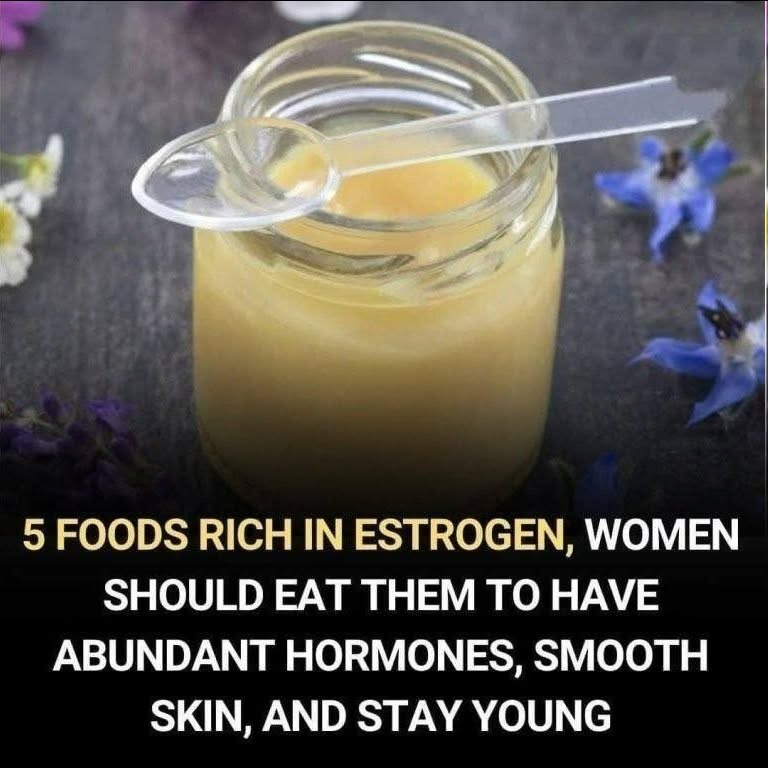
Hormonal health plays a fundamental role in every stage of a woman’s life, dictating metabolic rate, energy levels, bone density, mood stability, and skin elasticity. As women age—particularly when navigating perimenopause and menopause—natural circulating estrogen levels gradually decline, often resulting in changes in skin texture, reduced collagen synthesis, hot flashes, and shifting bone mineral density.
In the search for natural wellness solutions, dietary phytoestrogen-rich foods have emerged as essential nutritional allies. Phytoestrogens are naturally occurring, plant-based compounds that possess a similar molecular structure to human $17\beta$-estradiol. When consumed as part of a balanced whole-food diet, these bio-active plant compounds help balance endocrine function, support glowing skin, and promote long-term vitality. In this comprehensive, science-backed guide, we explore the biology of phytoestrogens, detail the top 5 estrogen-boosting foods for women, review practical daily culinary ideas, examine household grocery budgeting, and discuss endocrinology care and healthcare insurance standards.
The Science of Phytoestrogens: How Plant Compounds Work in the Body
Understanding how plant-derived estrogens interact with human biology helps clarify their role in supporting female hormonal harmony.
What Are Phytoestrogens?
Phytoestrogens are non-steroidal plant metabolites capable of binding to human estrogen receptors (specifically $\text{ER}\alpha$ and $\text{ER}\beta$). Because their binding affinity is significantly weaker than endogenous human estrogen, they act as selective estrogen receptor modulators (SERMs):
-
When Human Estrogen Is Low (e.g., Menopause): Phytoestrogens bind to open estrogen receptors, exerting mild estrogenic effects to help alleviate symptoms like hot flashes, night sweats, and dry skin.
-
When Human Estrogen Is High: Phytoestrogens occupy receptor sites, blocking stronger endogenous estrogens and exerting a mild anti-estrogenic effect that supports balanced hormone metabolism.
The Top 5 Foods Rich in Phytoestrogens for Hormonal Health
Incorporating these nutrient-dense, phytoestrogen-rich foods into your daily diet provides powerful support for skin elasticity, cellular longevity, and endocrine balance:
1. Flaxseeds (Lignans)
Flaxseeds are widely recognized as the single richest dietary source of lignans—a specialized class of phytoestrogens. Lignans are metabolized by beneficial gut bacteria into enterodiol and enterolactone, compounds that bind to estrogen receptors and promote balanced hormone ratios. Additionally, flaxseeds provide abundant alpha-linolenic acid (ALA) omega-3s, which reduce systemic skin inflammation and support a glowing complexation.
2. Soybeans and Organic Soy Products (Isoflavones)
Edamame, tofu, tempeh, and soy milk contain high concentrations of isoflavones (specifically genistein and daidzein). Clinical studies demonstrate that regular consumption of traditional, unrefined soy products supports skin hydration, aids collagen retention, promotes arterial flexibility, and significantly reduces menopausal hot flashes.
3. Sesame Seeds and Tahini
Sesame seeds are packed with lignans (such as sesamin and sesamolin), essential minerals (calcium, zinc, and magnesium), and healthy polyunsaturated fats. Consuming sesame seeds or rich tahini paste supports post-menopausal hormone metabolism, enhances bone mineral retention, and nourishes skin lipids.
4. Garlic and Allium Vegetables
Beyond its well-known cardiovascular and immune benefits, garlic is a surprisingly potent source of phytoestrogens. Research indicates that garlic extracts help mitigate bone loss associated with estrogen deficiency while protecting vascular endothelial walls against oxidative stress.
5. Dried Fruits (Prunes, Dates, and Apricots)
Dried fruits—particularly dried plums (prunes), dates, and apricots—offer a concentrated source of phytoestrogens alongside dietary fiber and vital antioxidants. Snacking on dried fruits helps regulate gut transit time while providing a steady supply of micronutrients that support skin clarity and cellular vitality.
Comparing the Top 5 Phytoestrogen Food Sources
| Food Source | Primary Phytoestrogen Type | Key Micronutrient Bonus | Primary Hormonal & Health Benefit |
| Flaxseeds | Lignans | Omega-3 ALA & Soluble Fiber | Estrogen receptor modulation & skin hydration |
| Soy (Tofu / Tempeh) | Isoflavones (Genistein) | Complete Plant Protein & Calcium | Menopausal symptom relief & collagen support |
| Sesame Seeds | Lignans (Sesamin) | Zinc, Calcium, & Vitamin E | Bone mineral density & lipid nourishment |
| Garlic | Phytoestrogenic Flavonoids | Allicin & Selenium | Vascular protection & bone retention |
| Dried Prunes / Dates | Concentrated Phytoestrogens |
Sorbitol & Potassium |
Digestive regularity & sustained cellular energy |
Practical Culinary Ideas: How to Enjoy These Foods Daily
Incorporating these hormone-balancing foods into your weekly routine is simple, delicious, and versatile:
-
Morning Hormone-Balance Smoothie: Blend 2 tablespoons of freshly ground flaxseeds, 1 cup of unsweetened organic soy milk, a frozen banana, spinach, and a spoonful of almond butter for a delicious, phytoestrogen-packed breakfast.
-
Savory Tahini Dressing: Whisk roasted sesame tahini with minced fresh garlic, fresh lemon juice, warm water, and sea salt to create a creamy salad dressing or grain bowl topper.
-
Nutritious Tofu Stir-Fry: Saute cubed organic tempeh or extra-firm tofu with broccoli, bell peppers, garlic, and ginger in a light sesame oil sauce for a protein-rich evening meal.
-
Energy Trail Mix: Combine dried apricots, pitted dates, raw pumpkin seeds, and toasted sesame seeds for a portable afternoon energy snack.
Financial Efficiency: Whole Foods vs. Expensive Hormone Supplements
Focusing on phytoestrogen-rich whole foods offers significant financial advantages over buying expensive, unregulated commercial hormone-balancing supplements.
Maximizing Grocery Value Per Dollar
Commercial “hormone balancing” pill blends and anti-aging elixirs often carry exorbitant monthly subscription costs. In contrast, purchasing whole staples like bulk flaxseeds, organic tofu, sesame seeds, garlic, and dried fruits costs only a fraction of the price per serving while providing real dietary fiber, essential vitamins, and complete proteins that pills lack.
Long-Term Preventive Health Savings
Nourishing your endocrine system through whole-food nutrition supports bone density, cardiovascular health, and skin resilience as you age. Preventing metabolic decline and bone loss reduces long-term spending on prescription drugs, specialist co-pays, and invasive medical treatments over a lifetime.
Healthcare Services, Insurance, and Medical Management
While eating phytoestrogen-rich foods supports overall wellness, women experiencing severe hormonal imbalances or menopausal transitions should work alongside medical professionals.
Professional Diagnostic Testing
Endocrinologists, gynecologists, and primary care physicians evaluate hormonal status through precise diagnostic blood testing, measuring serum estradiol, follicle-stimulating hormone (FSH), luteinizing hormone (LH), progesterone, thyroid panel (TSH, free T3/T4), and bone mineral density (DEXA) scans.
Health Insurance Coverage
Annual well-woman exams, diagnostic hormone testing, bone density scans, and registered dietitian consultations are widely covered under major private health insurance plans, Medicare, and corporate health initiatives. Utilizing covered preventive services allows women to tailor their diet and hormone management safely under expert medical supervision.
Fascinating Facts About Phytoestrogens and Longevity
-
The Okinawan Longevity Secret: Traditional diets in Okinawa, Japan—famous for having one of the world’s highest concentrations of centenarians—feature up to 50 milligrams of soy isoflavones daily, contributing to low rates of cardiovascular disease and smooth menopausal transitions.
-
Gut Microbiome Requirement: The ability to convert soy isoflavones into equol—a highly potent estrogenic metabolite—depends on specific beneficial bacteria in your gut. Eating fiber-rich foods helps cultivate the exact gut microbes needed to unlock maximum phytoestrogen benefits!
-
Collagen Preservation: Estrogen receptors are densely distributed throughout human facial skin fibroblasts. Supporting estrogen receptor signaling through diet helps maintain dermal thickness and hyaluronic acid retention as skin ages.
Conclusion
Supporting healthy hormone levels, smooth glowing skin, and lifelong vitality does not require artificial shortcuts or expensive synthetic pills. By incorporating whole, phytoestrogen-rich foods like ground flaxseeds, organic soy, sesame seeds, fresh garlic, and dried fruits into your daily meals, you provide your body with gentle, natural endocrine support. Feed your body well, protect your health, and enjoy the radiant energy that comes with balanced nutrition!
Frequently Asked Questions (FAQ)
1. Can eating estrogen-rich foods cause hormonal imbalances?
No. Dietary phytoestrogens are exceptionally weak compared to human estrogen and act as natural modulators. They bind adaptively to receptors, helping balance hormone levels rather than overloading the system.
2. Is soy safe for women to eat daily?
Yes! Extensive clinical research shows that consuming moderate amounts of traditional, whole soy foods (like tofu, tempeh, edamame, and soy milk) is completely safe, supports cardiovascular health, and protects against hormone-related health issues.
3. Should flaxseeds be eaten whole or ground?
Always eat flaxseeds ground! Whole flaxseeds pass through the human digestive tract unabsorbed due to their tough outer husk. Grinding flaxseeds unlocks their rich lignan phytoestrogens and healthy omega-3 fatty acids for full digestion.
4. How long does it take to notice skin and energy benefits from phytoestrogens?
Nutritional benefits build gradually. Consuming phytoestrogen-rich whole foods consistently for 6 to 8 weeks typically yields noticeable improvements in skin hydration, energy stability, and menopausal comfort.
5. Can men eat phytoestrogen-rich foods?
Absolutely. Dietary phytoestrogens do not lower testosterone or feminize men. In fact, compounds like soy isoflavones and flaxseed lignans support prostate health and cardiovascular strength in men.
