
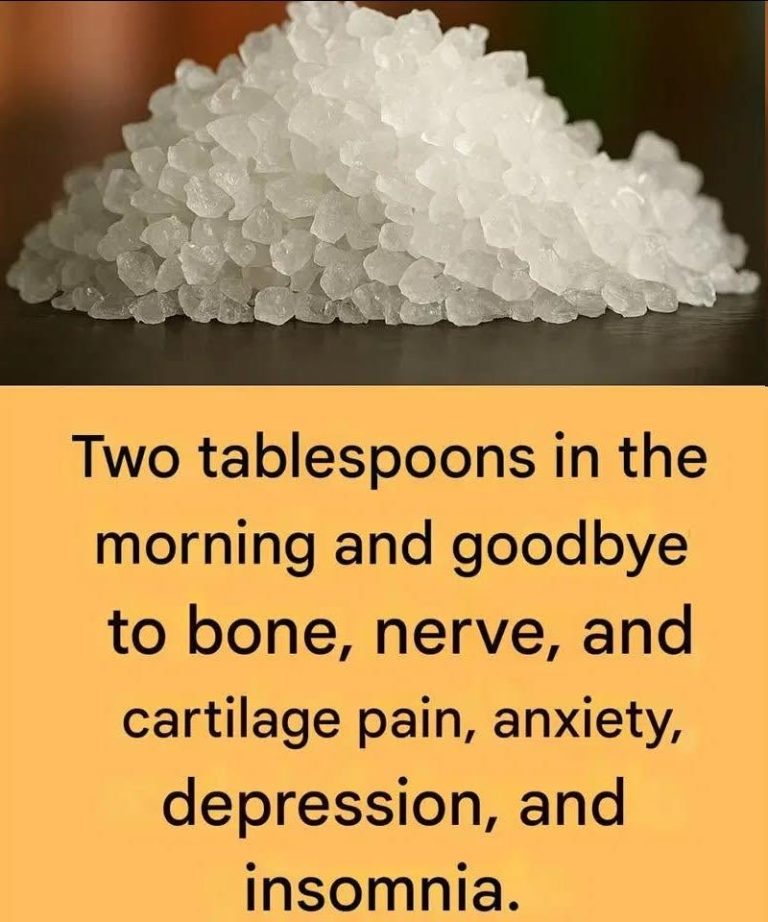
Viral social media posts frequently claim that taking two tablespoons of coarse sea salt, rock salt, or magnesium flakes every morning can eliminate bone, nerve, and cartilage pain, relieve anxiety and depression, and permanently cure insomnia. While mineral balance—specifically maintaining adequate magnesium and sodium levels—is undeniably crucial for human neurological, skeletal, and cardiovascular health, claims promising instant cures through massive oral doses of raw salt or mineral flakes are highly exaggerated and physically dangerous.
Consuming two tablespoons of salt at once introduces dangerously high levels of sodium or mineral compounds into the human digestive system, presenting severe health risks like hypernatremia, acute hypertension, severe dehydration, and gastrointestinal distress. In this comprehensive, science-backed guide, we examine the physiological reality behind salt and magnesium, evaluate the medical truth behind viral pain and sleep claims, explore safe ways to support joint, nerve, and mental health, discuss household health budgeting, and outline medical diagnostic and insurance standards.
Understanding the Chemistry: Sodium Chloride vs. Magnesium Chloride
To understand why viral claims about consuming two tablespoons of coarse white mineral crystals are both misleading and dangerous, it helps to distinguish between common coarse salts and therapeutic mineral compounds.
1. Coarse Sea Salt or Rock Salt (Sodium Chloride – $\text{NaCl}$)
Coarse sea salt and mineral rock salt consist primarily of sodium chloride. While sodium is an essential electrolyte required for nerve signal transmission and fluid balance, a single tablespoon of sea salt contains approximately 6,900 milligrams of sodium—more than three times the recommended total daily intake of 2,300 mg set by health organizations! Consuming two tablespoons (nearly 14,000 mg of sodium) in one sitting triggers severe osmotic dehydration, extreme blood pressure spikes, and massive kidney strain.
2. Magnesium Chloride Flakes ($\text{MgCl}_2$) and Epsom Salt ($\text{MgSO}_4$)
Coarse white mineral crystals shown in health posts often resemble magnesium chloride flakes or Epsom salts (magnesium sulfate). Magnesium plays a vital role in over 300 enzymatic reactions in the human body, supporting nerve conduction, muscle relaxation, bone density, and neurotransmitter regulation. However, oral consumption of two tablespoons of magnesium flakes at once will cause severe osmotic diarrhea, abdominal cramping, and potential hypermagnesemia (magnesium toxicity).
Debunking the Cures: Pain, Anxiety, and Insomnia Claims
Let us evaluate the specific health claims made in viral social media posts against established medical science:
Claim 1: “Eliminates Bone, Nerve, and Cartilage Pain”
-
The Reality: Neither sea salt nor oral magnesium flakes can instantly cure structural bone degradation, cartilage wear (osteoarthritis), or severe nerve impingement (sciatica). While severe magnesium deficiency can exacerbate muscle spasticity and heightened pain sensitivity, resolving joint or nerve pain requires comprehensive medical diagnosis, physical therapy, targeted anti-inflammatory nutrition, and proper medical care.
Claim 2: “Relieves Anxiety and Depression”
-
The Reality: Magnesium plays a well-documented role in modulating the hypothalamic-pituitary-adrenal (HPA) axis and supporting GABA (gamma-aminobutyric acid) neurotransmitter function, which calms nervous system activity. Low magnesium levels are linked to heightened anxiety and mood disturbances. However, swallowing massive doses of raw salt or unrefined mineral flakes will not cure clinical anxiety or depression and cannot replace evidence-based psychiatric or therapeutic care.
Claim 3: “Permanently Cures Insomnia”
-
The Reality: Magnesium aids sleep hygiene by relaxing skeletal muscles and supporting melatonin regulation. While taking a safe, daily elemental magnesium supplement (such as magnesium glycinate or citrate) before bed can improve sleep quality, consuming two tablespoons of raw mineral flakes or salt in the morning will cause severe digestive upset that disrupts sleep rather than improving it.
Severe Health Risks of Consuming Excessive Salt or Mineral Flakes
Ingesting two tablespoons of unrefined coarse salt or mineral flakes in the morning poses immediate physical hazards:
| Compound | Consumption Hazard | Physiological Consequence |
| High Sodium Chloride | Hypernatremia & Extreme Dehydration | Draws water out of cellular tissues, causing intense thirst, confusion, severe blood pressure spikes, and kidney strain. |
| High Magnesium Chloride / Sulfate | Severe Osmotic Laxative Effect | Triggers sudden, explosive diarrhea, abdominal cramping, electrolyte depletion, and dehydration. |
| Toxic Mineral Impurities | Unregulated Industrial or Bath Flakes | Bath-grade magnesium flakes or unrefined industrial salts may contain heavy metal contaminants not approved for internal human consumption. |
Safe, Evidence-Based Ways to Support Joint, Nerve, and Sleep Health
Rather than following hazardous online trends, rely on safe, scientifically proven methods to optimize mineral levels, soothe joint discomfort, and support deep rest:
1. Supplementing Magnesium Safely
If you suspect a magnesium deficiency, opt for high-quality, bioavailable oral supplements designed for human digestion, such as magnesium glycinate (for sleep and anxiety) or magnesium citrate (for gentle digestive regularity). Keep daily supplemental intake within recommended limits (typically 300 mg to 400 mg of elemental magnesium daily).
2. Using Topical Epsom Salt Baths
For muscle soreness and joint stiffness, dissolve 1 to 2 cups of Epsom salt (magnesium sulfate) in a warm bath tub. Soaking for 20 minutes offers a relaxing, non-invasive way to soothe tired muscles and ease physical tension without digestive side effects.
3. Adopting an Anti-Inflammatory Whole-Food Diet
Combat systemic joint and cartilage discomfort by consuming foods naturally rich in antioxidants, omega-3 fatty acids, and essential minerals:
-
Magnesium-Rich Foods: Leafy green vegetables (spinach, Swiss chard), pumpkin seeds, dark chocolate, almonds, and avocados.
-
Joint-Supporting Foods: Fatty fish (salmon, mackerel), bone broth, berries, turmeric, and extra virgin olive oil.
Financial Efficiency: Avoiding Wasteful and Unsafe Trends
Navigating health claims with critical thinking protects both your physical well-being and your household budget.
Eliminating Spending on Hazardous Home Remedies
Viral health hacks often promise instant results using cheap kitchen ingredients, leading consumers to delay proper medical treatment while risking costly emergency medical care due to severe complications like hypernatremia or acute gastrointestinal distress. Investing in proven, safe nutrition and certified dietary supplements yields superior long-term health value.
Strategic Allocation of Health Finances
Redirecting money away from unverified online wellness trends toward high-yield savings, quality whole foods, gym memberships, or routine preventive medical exams strengthens long-term personal resilience and financial security.
Healthcare Services, Insurance, and Medical Diagnostics
When dealing with chronic joint pain, persistent nerve discomfort, anxiety, or severe insomnia, professional medical evaluation ensures safe and accurate care.
Diagnostic Testing for Mineral and Joint Health
Primary care physicians, rheumatologists, and neurologists utilize comprehensive diagnostic tools to identify the root causes of physical pain and sleep disturbances:
-
Serum Electrolyte and Magnesium Panels: Measures blood levels of sodium, potassium, calcium, and magnesium to detect deficiencies safely.
-
Imaging Studies (X-Rays and MRIs): Evaluates joint space narrowing, cartilage degradation, herniated discs, or nerve compression.
-
Sleep Studies (Polysomnography): Diagnoses underlying sleep disorders like sleep apnea or restless leg syndrome.
Health Insurance Coverage and Legal Standards
Diagnostic blood tests, physical therapy sessions, orthopedic consultations, and mental health services are widely covered under major private health insurance plans, Medicare, and Medicaid. Furthermore, legal regulations enforced by the FDA ensure that dietary supplements meet strict safety, purity, and truthful labeling standards to protect consumers against hazardous health claims.
Fascinating Facts About Magnesium and Electrolytes
-
Essential Enzymatic Factor: Magnesium is a required cofactor for more than 300 biochemical reactions in the human body, including ATP energy production, protein synthesis, and DNA maintenance.
-
Bone Mineral Storage: Roughly 60% of all the magnesium stored in the human body resides inside bone tissues, where it contributes to structural bone density and flexibility.
-
The Cellular Sodium-Potassium Pump: Your body expends up to one-third of its total resting energy simply operating microscopic cellular pumps that balance sodium and potassium concentrations across cell membranes!
-
Natural Ocean Concentration: Seawater contains roughly 1,300 parts per million (ppm) of magnesium, making it one of the most abundant mineral elements in marine environments.
Conclusion
While maintaining adequate magnesium and electrolyte levels is essential for nerve function, bone density, and calm sleep, consuming two tablespoons of raw coarse salt or mineral flakes in the morning is highly dangerous and medically unfounded. Extreme doses of sodium or raw mineral crystals cause severe dehydration, dangerous blood pressure spikes, and gastrointestinal distress rather than curing chronic pain, anxiety, or insomnia. Rely on bioavailable magnesium supplements at safe dosages, enjoy a nutrient-rich whole-food diet, and consult healthcare professionals for safe, long-term vitality!
Frequently Asked Questions (FAQ)
1. Is it safe to take two tablespoons of coarse salt or magnesium flakes?
No! Consuming two tablespoons of coarse sea salt delivers nearly 14,000 mg of sodium, causing severe dehydration and extreme blood pressure spikes. Swallowing two tablespoons of raw magnesium flakes causes explosive diarrhea, cramping, and risk of magnesium toxicity.
2. Which form of magnesium is best for anxiety and sleep?
Magnesium glycinate is widely considered the best form for sleep and anxiety. It combines elemental magnesium with the amino acid glycine (which has calming brain effects) and is exceptionally gentle on the stomach.
3. Can a magnesium deficiency cause joint and nerve pain?
While severe magnesium deficiency can increase muscle cramping, nerve hyperexcitability, and physical pain sensitivity, joint and cartilage degradation (like arthritis) are structural issues that require broader medical care beyond magnesium alone.
4. How can I safely test if I have a magnesium deficiency?
Ask your primary care physician for a serum magnesium or Red Blood Cell (RBC) magnesium blood test. Your doctor can evaluate your results and recommend a safe daily supplemental dosage tailored to your health needs.
5. What are the best natural food sources of magnesium?
Excellent dietary sources of magnesium include pumpkin seeds, chia seeds, spinach, Swiss chard, dark chocolate (70%+ cocoa), almonds, black beans, and avocados.
