
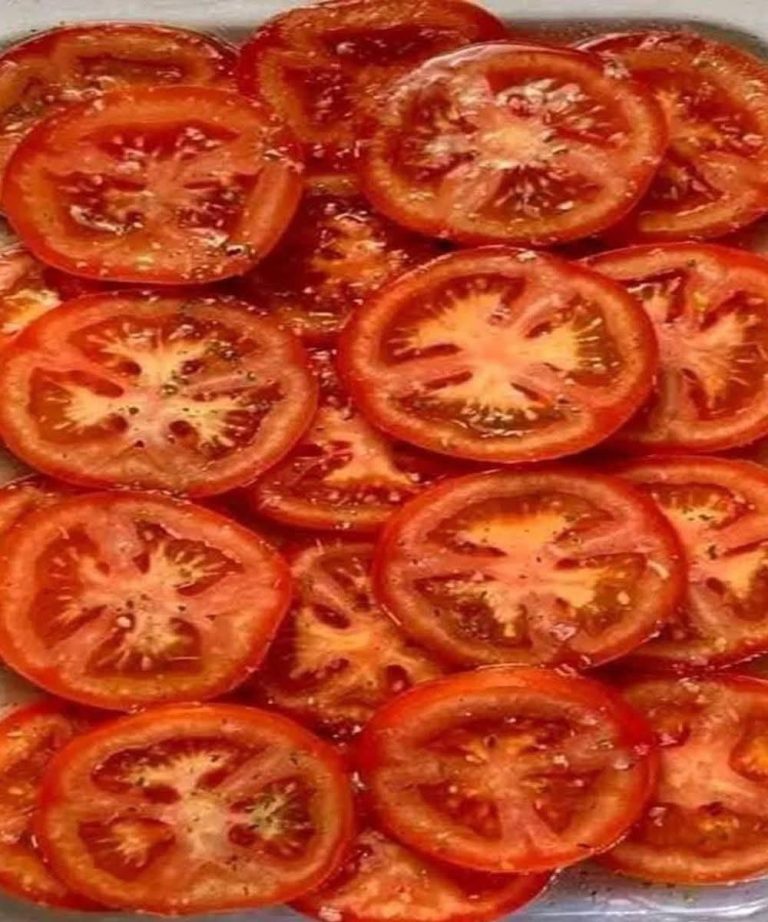
Ripe, red tomatoes are one of the most versatile, delicious, and nutrient-dense ingredients in modern cooking. Whether sliced fresh and seasoned with extra virgin olive oil and sea salt, slow-roasted in an oven to concentrate their natural sugars, or layered into Mediterranean salads, seasoned tomatoes represent a staple of healthy eating across global cultures.
When you look at a tray filled with beautifully seasoned tomato slices glistening with olive oil, herbs, and spices, you are seeing a powerful combination of vibrant flavor and exceptional nutrition. In this comprehensive guide, we explore the health benefits of tomatoes, examine the science of lycopene bioavailability, detail step-by-step methods for roasting and preserving tomatoes, outline financial grocery budgeting tips, and address commercial food production standards.
The Nutritional Powerhouse: What Makes Tomatoes So Healthy?
Tomatoes (Solanum lycopersicum) are botanically fruits—specifically berries—though they are treated as vegetables in culinary traditions. They are exceptionally low in calories while offering a dense concentration of essential micronutrients and powerful antioxidants.
Key Nutritional Breakdown (Per Medium Tomato / Approx. 123g)
-
Low Calorie Density: Only 22 calories per medium tomato, making them an ideal staple for weight management.
-
High Vitamin C Content: Delivers nearly 28% of the daily recommended intake of Vitamin C, a vital antioxidant that supports immune defense and collagen production.
-
Potassium Boost: Contains roughly 292 mg of potassium per serving, supporting healthy fluid balance and arterial vessel relaxation.
-
Dietary Fiber: Provides soluble and insoluble dietary fiber that aids digestion and supports healthy gut microbiota.
-
Lycopene & Carotenoids: Rich in lycopene, beta-carotene, naringenin, and chlorogenic acid—antioxidants linked to systemic inflammation reduction.
The Science of Lycopene: Why Cooking and Oil Matter
One of the most remarkable aspects of tomato nutrition is lycopene, a powerful carotenoid antioxidant responsible for the bright red color of ripe tomatoes.
Bioavailability and Heat Activation
In raw tomatoes, lycopene is bound tightly inside the cellular wall structure in a trans-isomer chemical form, making it relatively difficult for the human digestive system to absorb efficiently.
-
Thermal Breakdown: Cooking or roasting tomatoes breaks down tough cell walls, releasing bound lycopene and converting it into a cis-isomer structure that human intestinal walls absorb far more easily.
-
Fat-Soluble Absorption: Lycopene is a fat-soluble compound. Pairing sliced or roasted tomatoes with healthy fats—such as extra virgin olive oil—increases lycopene absorption in the gut by up to 300% compared to eating plain raw tomatoes!
5 Health Benefits of Incorporating Seasoned Tomatoes Into Your Diet
Regularly enjoying tomatoes seasoned with herbs and healthy olive oil provides multi-system health support:
1. Supporting Heart Health and Cardiovascular Function
Lycopene and beta-carotene work synergistically with potassium to protect blood vessels against oxidative damage. Clinical studies indicate that regular lycopene consumption helps lower LDL (“bad”) cholesterol, prevents lipid oxidation in blood vessels, and supports healthy blood pressure regulation.
2. Enhancing Skin Health and UV Protection
The combination of lycopene, Vitamin C, and essential antioxidants in tomatoes helps protect skin cells from free radical damage caused by ultraviolet (UV) sun exposure. While it does not replace topical sunscreen, a diet rich in cooked or seasoned tomatoes improves natural skin resilience and supports collagen synthesis.
3. Promoting Prostate and Cellular Wellness
Extensive epidemiological research highlights a strong link between high lycopene intake—particularly from cooked or oil-seasoned tomato products—and reduced risk of prostate health issues in men.
4. Supporting Eye and Vision Health
Tomatoes contain lutein, zeaxanthin, and beta-carotene—carotenoids that accumulate in the macula of the human eye. These compounds filter harmful blue light waves and protect retinal tissues against age-related macular degeneration.
5. Enhancing Digestive Comfort and Hydration
Composed of nearly 95% water and packed with natural dietary fiber, tomatoes aid in maintaining daily hydration, supporting smooth colonic transit, and preventing digestive sluggishness.
Step-by-Step Recipe: Slow-Roasted Italian Seasoned Tomatoes
Roasting sliced tomatoes concentrates their natural umami flavors while unlocking peak lycopene absorption.
Ingredients Needed
-
Fresh Tomatoes: 6 large ripe Roma, Beefsteak, or Vine-Ripened tomatoes (sliced 1/2-inch thick).
-
Extra Virgin Olive Oil: 3 tablespoons.
-
Flake Sea Salt & Black Pepper: 1 teaspoon kosher sea salt, 1/2 teaspoon freshly cracked black pepper.
-
Dried Italian Herbs: 1 tablespoon (combination of oregano, basil, thyme, and garlic powder).
-
Fresh Basil or Parsley: For garnish after roasting.
Step-1: Preparation and Slicing
Preheat your oven to $375^\circ\text{F}$ ($190^\circ\text{C}$). Line a large baking sheet with parchment paper. Slice fresh tomatoes evenly and pat them gently with a paper towel to remove excess surface moisture.
Step 2: Seasoning
Arrange tomato slices in a single layer across the baking tray. Drizzle generously with extra virgin olive oil, ensuring every slice is coated. Sprinkle sea salt, black pepper, garlic powder, and dried Italian herbs uniformly over the slices.
Step 3: Roasting
Place the baking sheet into the oven and roast for 25 to 35 minutes. The tomatoes are ready when their edges are slightly caramelized, wrinkled, and fragrant.
Step 4: Serving Suggestions
Garnish with chopped fresh basil. Serve warm over toasted garlic sourdough bread (bruschetta), toss into hot pasta, layer onto fresh mozzarella for a Caprese salad, or use as a savory side dish alongside grilled poultry or fish.
Fresh vs. Roasted vs. Canned Tomatoes
| Format | Lycopene Bioavailability | Vitamin C Preservation | Best Culinary Use |
| Fresh Sliced | Moderate (enhanced with oil) | Very High | Salads, sandwiches, & Caprese |
| Oven-Roasted | High (heat breaks down cell walls) | Moderate | Bruschetta, pasta toppers, & sides |
| Canned / Paste | Exceptionally High | Lower (due to heat processing) | Soups, marinara sauces, & stews |
Financial Efficiency: Maximizing Seasonal Harvests on a Budget
Tomatoes offer exceptional culinary versatility and financial value for family meal planning.
Budget Savings During Peak Season
During late summer harvest peaks, tomatoes are abundantly available and inexpensive at local farmers’ markets or grocery stores. Purchasing tomatoes in bulk—or growing them in home gardens—allows you to roast, freeze, or preserve canned sauces for a fraction of the cost of store-bought specialty sauces, preserving household grocery budgets.
Strategic Capital Allocation
Minimizing food waste by roasting overripe tomatoes extends their shelf life significantly. Saving money on weekly grocery bills frees up household capital for high-yield savings, emergency reserves, debt reduction, or long-term investments.
Business, Agriculture, and Food Safety Standards
For commercial kitchens, food producers, and agricultural enterprises, handling tomatoes involves strict quality control standards:
Food Safety and Acidity Compliance
While tomatoes are naturally acidic, their pH can vary depending on ripeness (ranging from pH 4.3 to 4.9). When canning home-made tomato preserves commercially, food safety guidelines mandate adding lemon juice or citric acid to ensure the pH remains safely below 4.6 to prevent Clostridium botulinum growth.
Commercial Protections and Legal Services
Entrepreneurs launching artisanal sauces, canned tomatoes, or specialty food products should consult with a qualified business attorney to navigate FDA food facility registrations, establish Limited Liability Companies (LLC), secure product liability insurance, and verify accurate nutrition label compliance.
Conclusion
Seasoned tomatoes are a perfect combination of culinary simplicity, rich umami flavor, and exceptional nutrition. By pairing fresh or roasted tomatoes with healthy extra virgin olive oil and aromatic herbs, you unlock maximum lycopene absorption while supporting your heart, skin, and overall vitality. Try roasting a batch of seasoned tomato slices today to elevate your meal plan and enjoy a delicious, health-boosting staple!
Frequently Asked Questions (FAQ)
1. Is it healthier to eat tomatoes raw or cooked?
Both offer unique benefits! Raw tomatoes retain higher levels of heat-sensitive Vitamin C, while cooked tomatoes provide significantly higher amounts of absorbable lycopene because heat breaks down cellular walls.
2. Why should you always add oil to seasoned tomatoes?
Lycopene and beta-carotene are fat-soluble antioxidants. Adding a healthy fat like extra virgin olive oil helps your body absorb these nutrients through the digestive tract far more efficiently.
3. How long do roasted seasoned tomatoes last in the fridge?
Stored in an airtight glass container covered with a thin layer of olive oil, oven-roasted tomatoes keep fresh in the refrigerator for up to 5 to 7 days. They can also be frozen for up to 6 months.
4. Can people with arthritis eat tomatoes?
Tomatoes belong to the nightshade family (Solanaceae), which some popular myths claim worsen joint inflammation. However, scientific studies show no direct link between tomato consumption and increased arthritis pain; in fact, the rich anti-inflammatory antioxidants in tomatoes generally support joint health.
5. What are the best tomato varieties for roasting?
Dense, meaty varieties with fewer seeds and lower water content—such as Roma, San Marzano, or Plum tomatoes—are best for oven roasting as they caramelize beautifully without getting soggy.
