
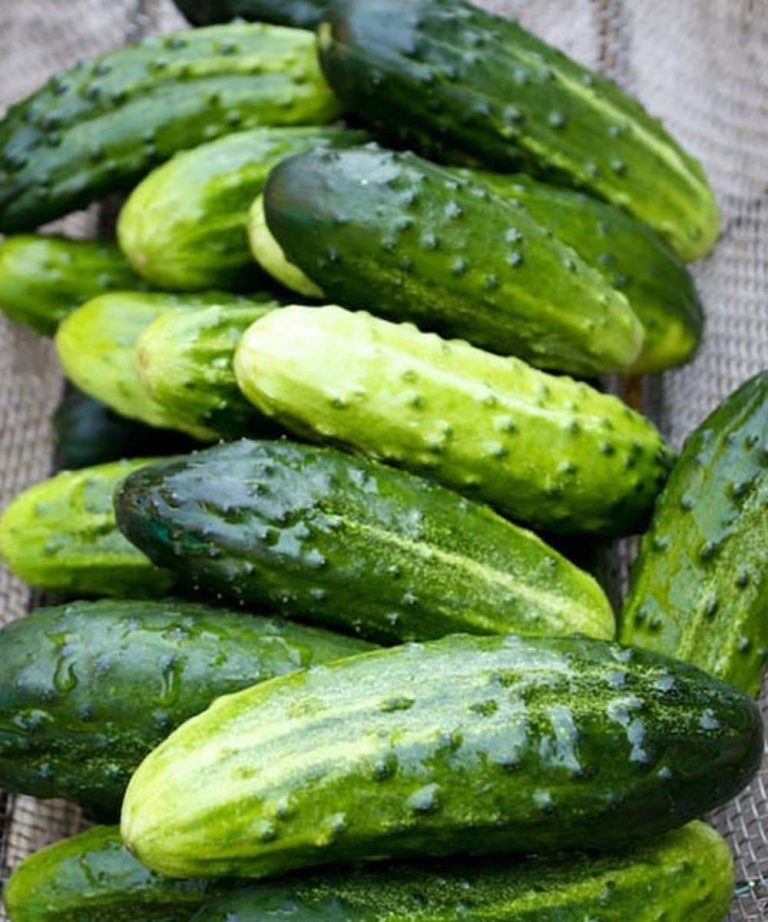
Few kitchen traditions are as satisfying as transforming fresh, crunchy garden cucumbers into delicious, crisp homemade pickles. Whether you love the sharp, garlic-infused punch of classic dill pickles, the gentle sweetness of bread-and-butter slices, or the tangy complexity of traditional lacto-fermented spears, mastering the art of pickling allows you to preserve seasonal harvests while enjoying unmatched flavor and crunch.
When you look at a pile of fresh pickling cucumbers resting on a counter, you are seeing the foundation of one of humanity’s oldest and most nutritious food preservation techniques. In this comprehensive guide, we explore everything you need to know about making perfect pickles at home: selecting the right cucumber varieties, understanding the science of acidity and fermentation, mastering water-bath canning safety, exploring nutritional and health benefits, and reviewing practical financial and homesteading advantages.
The Science of Pickling: Vinegar vs. Fermentation
To craft incredible pickles at home, it helps to understand the two fundamental food preservation methods used to achieve that signature tangy crunch.
1. Quick Pickling and Vinegar Canning (Acidification)
Direct acidification relies on adding distilled vinegar or apple cider vinegar (with a standardized 5% acidity level) directly to a brine. The high acetic acid concentration lowers the pH of the mixture below 4.6, stopping bacterial growth and instantly preserving the vegetables.
-
Best For: Fast results, uniform flavor control, long-term pantry shelf storage via water-bath canning.
-
Flavor Profile: Bright, sharp, acidic, and bold.
2. Lacto-Fermentation (Natural Probiotic Fermentation)
Lacto-fermentation relies on beneficial, naturally occurring Lactobacillus bacteria present on the skin of fresh cucumbers. When submerged in a precise saltwater brine without oxygen, these beneficial micro-organisms consume natural sugars in the cucumbers and produce lactic acid.
-
Best For: Unmatched depth of complex flavor, natural digestive probiotics, traditional deli-style pickles.
-
Flavor Profile: Deeply savory, complex, mildly tangy, and refreshing.
Selecting the Right Cucumbers for Maximum Crispness
Not all cucumbers are created equal when it comes to pickling. Using standard smooth-skinned English or slicing cucumbers will result in soft, soggy pickles because of their high water content and thin outer skin.
Top Pickling Cucumber Varieties
-
Kirby Cucumbers: The absolute gold standard for home pickling. Kirby cucumbers feature thick, bumpy skin, firm inner flesh, small seed cavities, and a satisfying crunch that holds up exceptionally well to warm brine.
-
National Pickling Cucumbers: A popular heirloom variety developed specifically for home gardens, producing compact, uniform fruits ideal for fitting into wide-mouth mason jars.
-
Boston Pickling: A classic, high-yielding variety known for smooth, crisp texture and excellent brine absorption.
The Secret to Ultra-Crisp Pickles
-
Pick or Purchase Fresh: Process cucumbers within 24 hours of harvesting. As cucumbers sit, they lose internal moisture, causing soft centers.
-
Trim the Blossom End: Always slice a thin 1/16th-inch piece off the blossom end of every cucumber. The blossom end contains natural enzymes (pectinase) that break down pectin and soften pickles during storage.
-
Use Tannins: Adding a clean grape leaf, oak leaf, black tea bag, or bay leaf to the bottom of each jar introduces natural tannins that bind with calcium, keeping the cucumber skin firm and crunchy.
-
Cold Soak in Ice Water: Soaking fresh pickling cucumbers in a bowl of ice water for 2 to 4 hours before jarring firms up cellular walls for maximum crunch.
Step-by-Step Recipe: Classic Garlic Dill Pickles
This foolproof recipe yields delicious, crisp garlic dill pickles using standard hot vinegar processing.
Ingredients Needed
-
Fresh Kirby Cucumbers: 3 to 4 pounds (small-to-medium size, thoroughly washed).
-
Distilled White Vinegar (5% acidity): 2 cups.
-
Filtered Water: 2 cups.
-
Canning & Pickling Salt: 2 tablespoons (pure non-iodized mineral salt).
-
Fresh Dill: 4 to 6 fresh flowering dill heads or dill sprigs.
-
Garlic: 8 whole cloves, peeled and lightly crushed.
-
Whole Spices: 2 teaspoons mustard seeds, 1 teaspoon black peppercorns, 1/2 teaspoon red pepper flakes (optional for heat).
Step 1: Jar Preparation and Sterilization
Wash four pint-sized, wide-mouth glass mason jars and metal lids in hot, soapy water. Keep the jars warm in a pot of simmering water until ready to pack to prevent thermal shock when hot brine is added.
Step 2: Preparing the Brine
In a non-reactive stainless steel saucepan, combine the distilled white vinegar, filtered water, and pickling salt. Bring the liquid to a rolling boil over medium-high heat, stirring until the salt crystals dissolve completely.
Step 3: Packing the Jars
-
Into the bottom of each warm jar, place 2 crushed garlic cloves, 1 fresh dill head, 1/2 teaspoon mustard seeds, and 1/4 teaspoon peppercorns.
-
Pack the whole or sliced cucumbers tightly into the jars in an upright vertical position. Leave 1/2 inch of headspace at the top of the jar.
-
Pour the hot vinegar brine over the cucumbers, covering them completely while maintaining a 1/2-inch headspace at the top.
Step 4: Removing Air Bubbles and Sealing
Run a clean wooden skewer or plastic bubble remover tool down the inside walls of each jar to release trapped air pockets. Wipe the glass rims thoroughly with a clean, damp cloth. Place the flat lids on top and screw the metal bands down until fingertip tight.
Step 5: Water-Bath Processing (Optional for Long Storage)
Lower the packed jars into a boiling water-bath canner, ensuring at least 1 inch of water covers the jar tops. Process for 10 minutes (adjusting for altitude). Carefully remove the jars and let them rest undisturbed on a kitchen towel for 24 hours. Check seals; sealed lids will curve downward and make a satisfying popping sound.
Nutritional Breakdown and Health Benefits of Pickles
Beyond their irresistible flavor, fermented and canned pickles offer significant health advantages when enjoyed as part of a balanced diet:
-
Rich Source of Probiotics (Fermented Pickles): Naturally fermented pickles contain millions of beneficial Lactobacillus cultures that promote healthy gut microbiome diversity, aid digestion, and support systemic immune health.
-
Electrolyte Replenishment and Hydration: Pickle brine is naturally high in sodium and potassium electrolytes. Athletes and outdoor enthusiasts frequently use pickle juice to prevent muscle cramps and restore hydration after intense exercise.
-
Low-Calorie Snack Alternative: Pickles are exceptionally low in calories and carbohydrates, making them an ideal, satisfying crunchy snack for individuals following low-carb, keto, or calorie-controlled dietary plans.
-
Antioxidant Content: Cucumbers retain natural antioxidants, including beta-carotene and vitamin C, which help combat oxidative stress and cellular inflammation.
Financial, Agricultural, and Homesteading Value
Mastering home food preservation delivers immediate financial benefits for family budgets and home gardens.
Maximizing Seasonal Garden Yields
During mid-summer harvest peaks, garden cucumber plants produce large yields all at once. Canning allows homesteaders and home gardeners to preserve surplus crops effortlessly, preventing food waste and ensuring a steady supply of nutritious food throughout winter months.
Budget Efficiency and Household Savings
Store-bought artisanal or organic pickles can be costly per jar. Purchasing fresh pickling cucumbers in bulk from local farmers’ markets—or growing them from seeds—reduces the cost per jar significantly, freeing up household grocery budgets for long-term savings, debt payoff, or investment goals.
Fascinating Facts About Pickles Throughout History
-
Ancient History: Pickling dates back to 2400 BCE, when ancient Mesopotamians preserved cucumbers in acidic brine in the Tigris Valley.
-
Cleopatra’s Beauty Secret: Queen Cleopatra of Egypt attributed her health and beauty in part to a steady diet of pickles.
-
Voyages of Discovery: Christopher Columbus and Amerigo Vespucci stocked their ships with pickled vegetables to prevent scurvy among sailors during trans-Atlantic voyages.
-
Pickle Capital of the World: The small town of Mount Olive, North Carolina, processes millions of pounds of pickling cucumbers annually and hosts an annual New Year’s Eve “Pickle Drop” celebration.
Business, Legal, and Cottage Food Industry Standards
For culinary enthusiasts considering selling homemade pickles at local farmers’ markets or launching an artisanal food brand, key regulatory standards apply:
Cottage Food Laws and Acidified Food Licensing
Because pickles are an acidified food product, state cottage food regulations govern commercial sales. Producers must test brine pH levels using calibrated digital pH meters to verify that the final equilibrium pH remains consistently at or below 4.0.
Business Protection and Legal Services
Entrepreneurs expanding artisanal food lines should consult with an experienced business attorney to form a Limited Liability Company (LLC), secure commercial liability insurance, obtain food handler safety certifications, and ensure accurate nutrition labeling under FDA compliance standards.
Conclusion
Making your own crisp, flavorful pickles at home is a rewarding culinary journey that combines traditional kitchen craft, food science, and great nutrition. By selecting fresh Kirby cucumbers, keeping your brine balanced, and using natural tannin boosters, you can achieve creamery-quality crunch in every jar. Enjoy your fresh pickles on sandwiches, alongside summer barbecues, or straight out of the jar!
Frequently Asked Questions (FAQ)
1. Why did my homemade pickles turn out soft or soggy?
Soft pickles are usually caused by using old cucumbers, forgetting to slice off the blossom end, using a low-acid vinegar, or over-processing jars in a hot water bath. Always use fresh, firm pickling cucumbers and ice-soak them before processing.
2. Can I reuse store-bought pickle juice to make new pickles?
Reusing commercial pickle juice for fresh cucumbers is not recommended for home canning, as the acid ratio becomes diluted. However, you can drop sliced fresh cucumbers into leftover brine in the fridge for a quick 24-hour refrigerator pickle.
3. What kind of salt is best for pickling?
Always use canning and pickling salt or pure, additive-free sea salt. Standard table salt contains iodine and anti-caking agents that make pickle brine cloudy and leave dark sediment at the bottom of the jar.
4. How long should I wait before eating home-canned pickles?
For the best flavor development, let sealed pickle jars rest in a cool, dark pantry for 3 to 4 weeks before opening. This allows the cucumbers to fully absorb the garlic, dill, and spice flavors.
5. How long do opened jars of pickles last in the refrigerator?
Once opened, a jar of pickles stored in the refrigerator stays crisp and safe to eat for 2 to 3 months, provided the pickles remain completely submerged under the liquid brine.
