
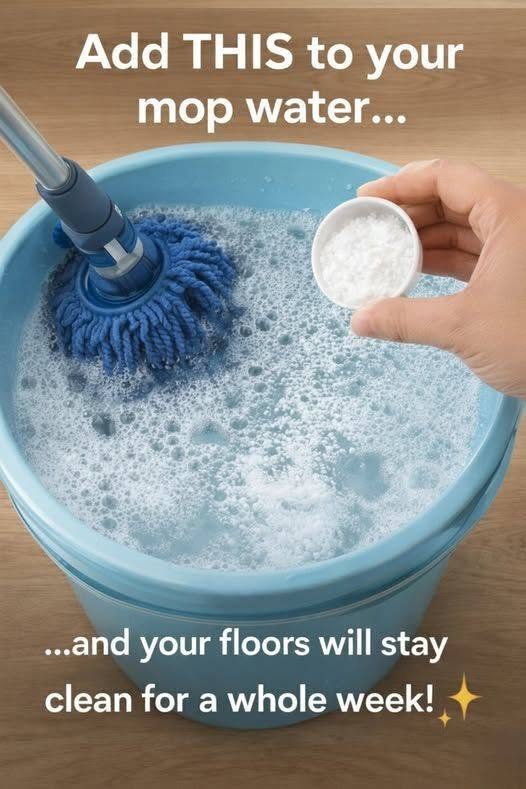
Maintaining sparkling, streak-free floors is one of the most challenging aspects of household cleaning. Despite frequent sweeping and mopping, hard floors often attract fresh dust, show muddy footprints, or develop a sticky film within just a day or two of cleaning. Many commercial floor cleaners contain harsh synthetic chemicals or excessive soap concentrations that leave cloudy residue behind, acting like a magnet for airborne dust and dirt particles.
By adding a simple, natural ingredient—such as washing soda, baking soda, white vinegar, or a splash of rubbing alcohol—to your mop bucket, you can cut through stubborn grease, eliminate soap buildup, and leave a protective, anti-static shine that keeps your floors cleaner for much longer. In this comprehensive home care guide, we will break down the science of floor residue, detail effective DIY mopping formulas for every floor type, share practical maintenance techniques, and explore how proper floor care protects your home’s value.
Why Standard Floor Cleaning Solutions Leave Residue
To keep floors looking fresh long after mopping, it helps to understand why traditional floor cleaners often fail.
       [ Commercial Cleaners vs. DIY Solution ]

  COMMERCIAL CLEANERS                    DIY DE-FILMING MIXTURE
 (High Soap Content)                     (Vinegar / Alcohol / Soda)
         |                                         |
 [ Leaves Sticky Residue ]               [ Evaporates Cleanly ]
         |                                         |
 [ Attracts Dust & Dirt Quickly ]        [ Repels Dirt & Stays Shiny ]
1. Excess Soap and Surfactant Buildup
Most multi-surface floor cleaners rely on soapy surfactants designed to lift grime. However, when these formulas are not rinsed thoroughly, a microscopic layer of sticky soap residue remains on the floor surface. Every time someone walks across the room, dust and soil cling directly to this sticky layer.
2. Hard Water Minerals
Using hard tap water in your mop bucket introduces dissolved calcium and magnesium minerals. As the water evaporates, these minerals leave faint white streaks and a dull, chalky film across hardwood, tile, or laminate surfaces.
3. Incorrect Water Temperature
Washing floors with cool water makes it difficult to dissolve oils and grease. Conversely, scalding hot water can dry too quickly on the floor, leaving behind concentrated chemical spots before you have a chance to mop them away smoothly.
The Best Additives for Long-Lasting Clean Floors
Adding the right natural household ingredient to warm mop water changes the pH and surface tension, allowing liquid to clean effectively and evaporate completely without leaving a sticky trace.
1. White Distilled Vinegar (The Acidic De-Greaser)
-
Best For: Ceramic tile, porcelain, vinyl plank (LVP), and linoleum.
-
Why It Works: Vinegar is mildly acidic (acetic acid), which breaks down mineral buildup, cuts through kitchen grease, and neutralizes odors naturally.
-
Formula: Mix 1/2 cup of white vinegar into 1 gallon of warm water. Add 2-3 drops of essential oil (like lavender or lemon) for a fresh scent.
2. Washing Soda or Baking Soda (The Alkaline Cleaner)
-
Best For: Heavy-duty tile cleaning, grout line restoration, and greasy kitchen floors.
-
Why It Works: Washing soda (sodium carbonate) and baking soda (sodium bicarbonate) are alkaline compounds that easily loosen dried food spills, tough scuffs, and built-up grime.
-
Formula: Dissolve 1 to 2 tablespoons of washing soda or baking soda thoroughly in a bucket of hot water.
3. Rubbing Alcohol (The Quick-Dry Anti-Static Booster)
-
Best For: Laminate, sealed hardwood, and high-gloss tile.
-
Why It Works: Isopropyl alcohol lowers the freezing point and accelerates water evaporation, leaving a streak-free shine while preventing moisture from seeping into floor seams.
-
Formula: Combine 1/2 cup of rubbing alcohol, 1/2 cup of white vinegar, and 1 gallon of warm water.
Floor-Specific Safety Rules to Prevent Damage
Not every cleaning ingredient is suitable for every flooring material. Using the wrong formula can strip protective coatings or damage surface sealants.
-
Sealed Hardwood Floors: Avoid using excess water or strong acids like vinegar, which can dull polyurethane finishes over time. Use a damp microfiber flat mop with warm water, a drop of pH-neutral dish soap, and a splash of rubbing alcohol.
-
Natural Stone (Marble, Granite, Travertine): Never use vinegar, lemon juice, or acidic cleaners on natural stone, as acid causes chemical etching. Stick strictly to warm water and a few drops of pH-neutral stone cleaner or dish soap.
-
Luxury Vinyl Plank (LVP) and Laminate: Avoid excessive standing liquid. Use a damp, well-wrung microfiber mop head to prevent water from seeping between planks and causing swelling.
Practical Tips for Effortless Mopping and Maintenance
Implementing smart mopping habits ensures your floors stay spotless with minimal physical effort:
-
Vacuum or Sweep Thoroughly First: Always remove loose dust, pet hair, and grit before mopping. Mopping over dry dirt turns it into abrasive mud that scratches clear coatings.
-
Use Microfiber Mop Heads: Microfiber material traps tiny dust particles and absorbs liquid far more effectively than traditional cotton string mops.
-
Wring the Mop Head Thoroughly: A damp mop cleans effectively and dries quickly; a dripping wet mop leaves water spots and damages subfloors.
-
Change Mop Water Frequently: Once your mop bucket water turns cloudy or grey, replace it with a fresh warm mixture to avoid spreading dirty water across clean zones.
Home Investment, Real Estate, and Property Maintenance
Maintaining clean, scratch-free flooring is a critical aspect of residential property management and interior home care. High-quality flooring—such as hardwood, natural stone, or luxury vinyl—represents a major financial investment for homeowners.
Proper maintenance prevents premature surface wear, avoiding costly floor refinishing or full replacement expenses. Furthermore, when preparing a home for sale or property appraisal, immaculate, shiny floors enhance buyer curb appeal and boost market value. For property managers, real estate investors, and homeowners, protecting indoor surfaces through proper cleaning practices safeguards overall property value and ensures long-term home insurance compliance regarding moisture damage prevention.
Conclusion
Keeping your floors clean for an entire week does not require expensive commercial chemicals or hours of scrubbing. By simply adding natural grease-cutters like vinegar, baking soda, or rubbing alcohol to warm mop water, you eliminate sticky residue, neutralize odors, and leave behind a brilliant, long-lasting shine. Adopt these simple cleaning formulas today to enjoy spotless floors and spend less time cleaning every week!
Frequently Asked Questions (FAQ)
What can I put in my mop water to make the house smell good?
Adding a few drops of natural essential oils (such as lavender, eucalyptus, lemon, or peppermint) or a splash of scented pine cleaner to your mop bucket leaves a long-lasting, fresh fragrance throughout your home.
Why do my floors feel sticky after I mop?
Sticky floors are almost always caused by using too much commercial soap or cleaner, which leaves a concentrated chemical film on the surface as the water dries.
Is vinegar safe for all types of floors?
No. Vinegar is acidic and should never be used on unsealed natural stone (like marble or limestone) or waxed wood floors, as it can etch stone surfaces or strip protective wax coatings.
How often should I mop my floors?
High-traffic areas (like kitchens and entryways) should be swept daily and mopped once or twice a week. Low-traffic rooms (like bedrooms) typically only need mopping every two weeks.
