
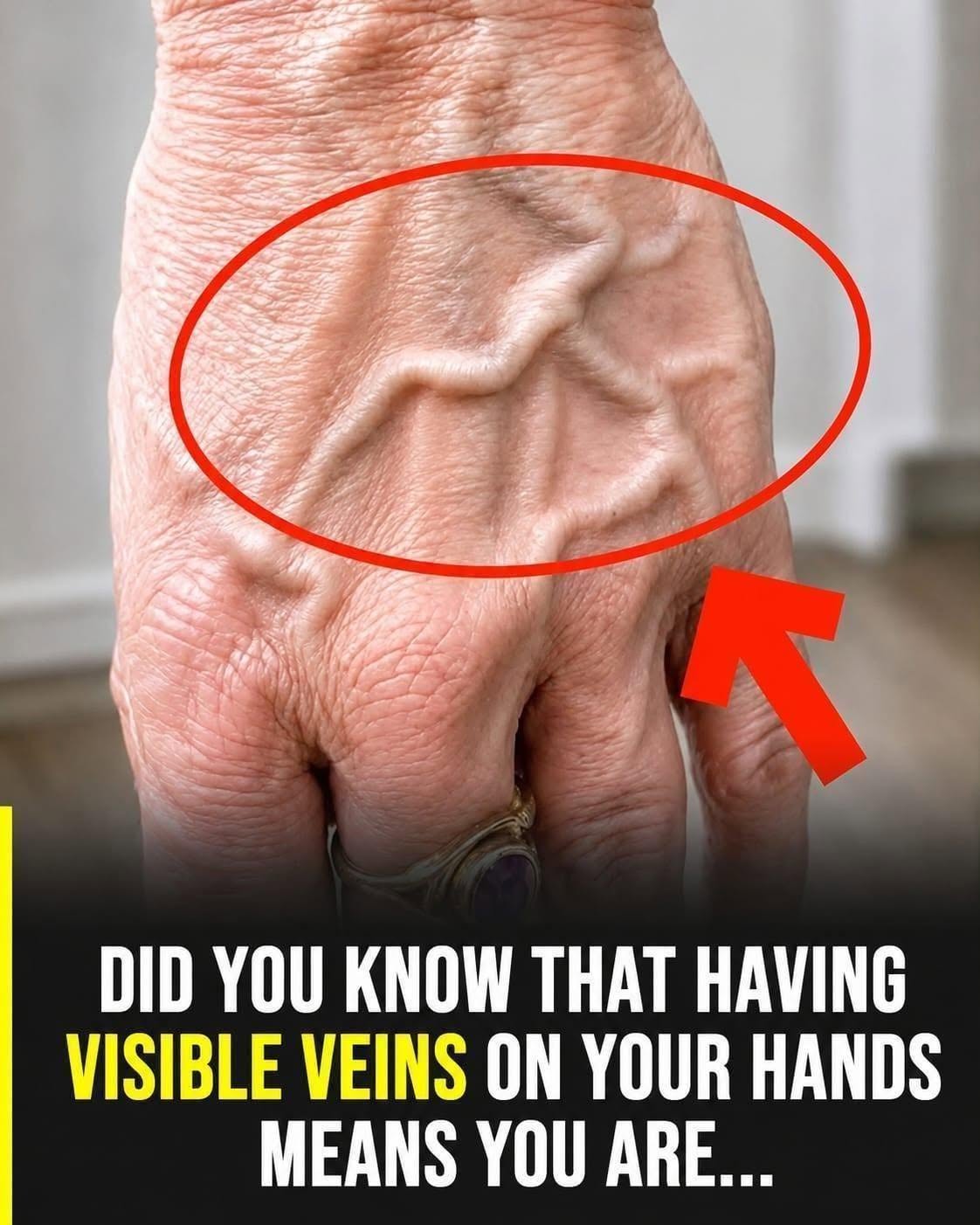
As people navigate different stages of life, subtle physical shifts become noticeable across the body. Among these common physical changes, observing prominent, bulging, or bluish veins on the back of the hands frequently catches people’s attention. While sudden vascular shifts can occasionally prompt worry or curiosity on social media, in the overwhelming majority of cases, visible hand veins are a completely normal physiological phenomenon.
Understanding why veins become more pronounced involves a combination of vascular anatomy, dermatological changes associated with age, subcutaneous fat levels, and everyday physical factors like temperature and exercise. Here is a comprehensive guide to understanding what causes prominent hand veins, when they indicate underlying health changes, how to maintain healthy circulation, and essential healthcare and financial planning strategies.
The Vascular Science Behind Prominent Hand Veins
To understand why veins stand out on the back of the hand (dorsum of the hand), it helps to look at human skin structure and circulatory mechanics. Superficial veins lie just beneath the dermal layer of the skin, responsible for returning oxygen-depleted blood back to the heart.
Several primary biological factors cause these veins to bulge or become visibly distinct:
1. Thinning Skin and Loss of Subcutaneous Fat
As humans age, the skin naturally loses collagen, elastin, and structural firmness. Simultaneously, the layer of subcutaneous fat padding the back of the hands thins out significantly. With less tissue shielding the superficial venous network, the underlying blood vessels become far more prominent and exposed.
2. Loss of Vascular Elasticity and Valve Function
Veins contain one-way micro-valves that keep blood flowing upward toward the heart against gravity. Over time, these venous walls and valves can lose elasticity and weaken slightly, allowing blood to pool briefly inside the vessel. This localized pressure causes the vein to dilate, making it appear thicker or rope-like beneath the skin surface.
3. Low Body Fat Percentage and High Physical Activity
In younger, highly active individuals or athletes, low overall body fat levels make superficial veins stand out clearly. During exercise, blood pressure rises, and fluid shifts into surrounding muscle tissue, forcing superficial veins outward against the skin—a phenomenon known as vascularity.
4. Ambient Temperature and Blood Vessel Expansion
On hot days or after warm showers, the human body uses vasodilation to cool down. Superficial blood vessels expand near the skin surface to release excess body heat, causing hand veins to temporarily swell and appear much larger.
When Should You Consult a Doctor About Hand Veins?
For most individuals, prominent hand veins are purely an aesthetic concern or a natural reflection of aging and body composition. However, specific symptoms can signal an underlying vascular issue that requires medical evaluation:
-
Localized Pain or Tenderness: If a bulging vein feels hard, warm, or painful to the touch, it may indicate superficial thrombophlebitis (a small blood clot causing vein inflammation).
-
Swelling and Redness: Sudden swelling that extends into the wrist or forearm should be evaluated promptly by a physician.
-
Unilateral Prominence: If bulging veins appear suddenly on only one hand while the other remains completely unchanged, it warrants a professional vascular assessment.
Healthcare, Financial, and Legal Planning for Long-Term Wellness
Maintaining healthy cardiovascular and vascular function as you age requires proactive medical oversight alongside structured long-term financial security.
1. Navigating Health Insurance and Medical Care
Regular health checks ensure that circulatory health, blood pressure, and vein function remain in optimal condition:
-
Utilizing Health Insurance Policies: Comprehensive health and primary medical insurance plans cover annual physical examinations, vascular screenings, and specialist consultations with cardiologists or phlebologists.
-
Managing Out-of-Pocket Expenses: Utilizing Health Savings Accounts (HSAs) or Flexible Spending Accounts (FSAs) allows patients to pay for prescribed compression gear, diagnostic ultrasounds, or vascular consultations using pre-tax dollars.
2. Safeguarding Family Wealth and Life Insurance
A proactive approach to health supports direct benefits when structuring long-term household finance plans:
-
Securing Preferred Life Insurance Rates: Demonstrating steady cardiovascular wellness, healthy blood pressure readings, and routine preventative care helps secure preferred underwriting tiers for life insurance policies.
-
Managing Mortgages and Wealth: Minimizing unexpected medical costs preserves household capital, ensuring comfortable payments toward home mortgage commitments while investing consistently into diversified stocks, bonds, and retirement portfolios.
3. Legal Protections and Consumer Rights
When seeking cosmetic vein treatments or medical procedures, understanding consumer protections is essential:
-
Engaging Professional Legal Services: Consulting with an experienced attorney or utilizing reputable legal services ensures medical directives, durable power of attorney, and patient rights are established for long-term security.
Fascinating Facts About Human Veins and Blood Flow
-
Thousands of Miles of Vessels: If laid end to end, the blood vessels (arteries, veins, and capillaries) of an average adult would stretch over 60,000 miles—enough to circle the Earth twice!
-
Why Veins Look Blue: Blood inside veins is dark red, not blue. Veins appear bluish through the skin because human tissue absorbs and scatters red light wavelengths while allowing blue light to reflect back to your eyes.
-
Gravity’s Effect: Resting your hands above your head for 10 to 15 seconds causes gravity to drain blood back toward your heart, making prominent hand veins flatten out almost instantly.
-
Biometric Identifiers: Just like fingerprints, the unique pattern of veins on the back of your hand is completely unique to you and remains consistent throughout your life!
Practical Tips for Maintaining Healthy Circulation and Hand Care
While you cannot stop the natural aging process, you can take simple, practical steps to maintain skin elasticity and support vascular health:
-
Apply Sunscreen Daily: Daily exposure to ultraviolet (UV) radiation breaks down collagen and accelerates thin skin aging on the back of your hands. Wear broad-spectrum SPF 30+ daily.
-
Keep Hands Well-Hydrated: Use rich, collagen-supporting hand creams containing hyaluronic acid, ceramides, or shea butter to keep skin plump and hydrated.
-
Stay Hydrated Throughout the Day: Drinking adequate water maintains healthy blood volume and supports smooth circulatory flow.
-
Perform Gentle Hand and Wrist Stretches: Regular finger flexing and wrist rolls encourage blood circulation and reduce fluid pooling in lower extremities.
-
Elevate Hands When Resting: If hand veins feel heavy or warm after activity, elevate your hands on a pillow above heart level to allow quick venous drainage.
Final Thoughts
Visible, bulging veins on the back of your hands are usually nothing more than a natural sign of aging, low body fat, or temporary vasodilation from heat and physical activity. By protecting your skin from sun damage, maintaining hydrated hands, and staying consistent with regular health checkups, you can ensure your body stays healthy, comfortable, and vibrant at every age.
Frequently Asked Questions (FAQ)
What does it mean if the veins on your hands are very visible?
For most people, visible hand veins mean thin skin, low subcutaneous fat, or temporary blood vessel dilation due to heat, exercise, or aging. It is usually a completely normal physical characteristic.
Can exercise make hand veins pop out more?
Yes. Physical exercise increases blood pressure and causes fluid to enter surrounding tissues, forcing superficial veins closer to the skin surface. This vascularity is common among active individuals.
How do you make hand veins less noticeable naturally?
Wearing broad-spectrum sunscreen to protect skin collagen, applying rich moisturizers, staying hydrated, and elevating your hands can help reduce the stark appearance of prominent veins.
Are bulging hand veins a sign of high blood pressure?
Not typically. High blood pressure affects systemic arterial pressure rather than superficial hand veins. However, if bulging veins are accompanied by pain, sudden swelling, or localized heat, consult a doctor.
