
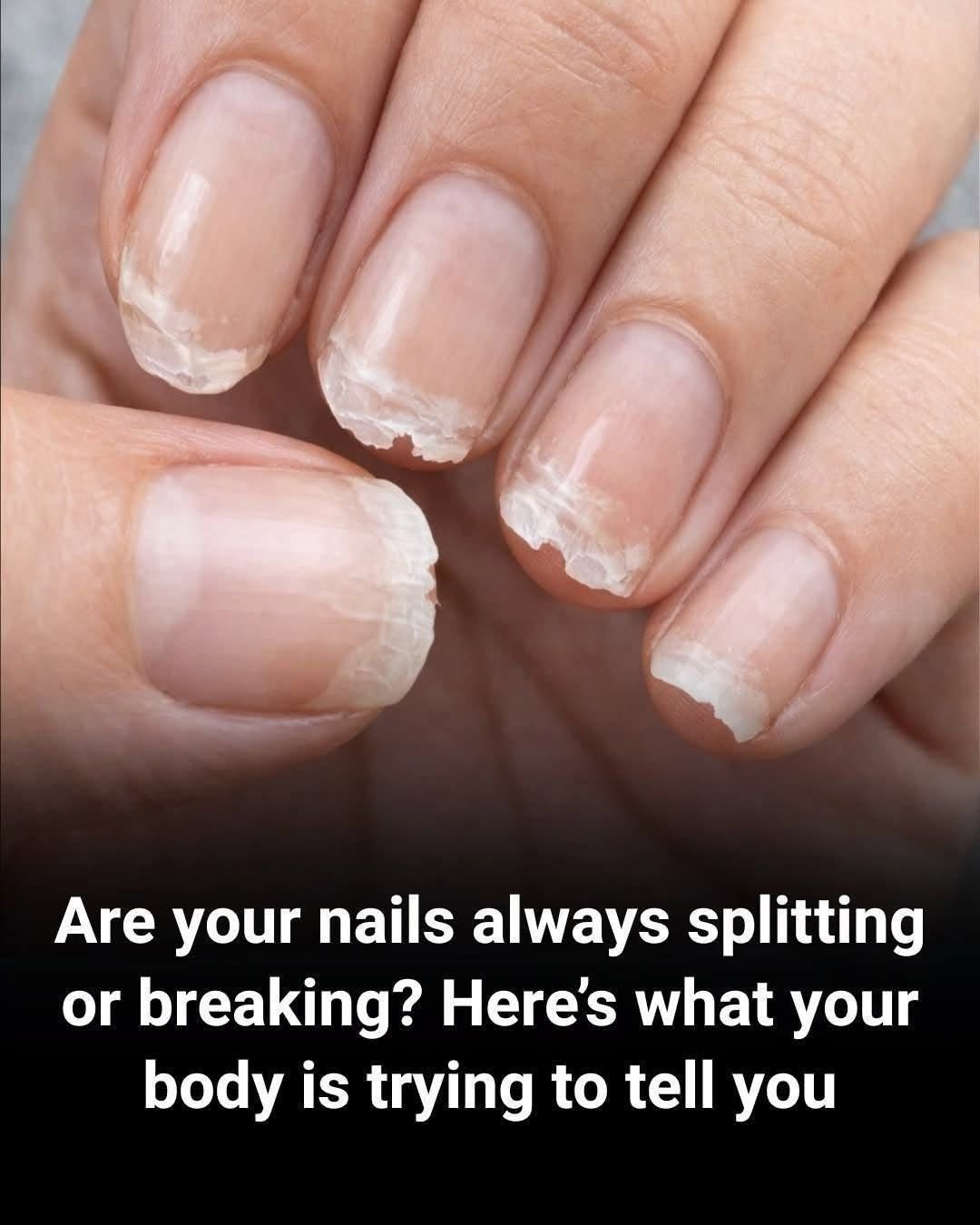
Brittle, peeling, or constantly breaking nails—medically known as onychoschizia (horizontal splitting of the nail plate) or onychorrhexis (longitudinal ridging and weakness)—are among the most common cosmetic and dermatological concerns worldwide. While many people view weak fingernails as a minor aesthetic nuisance, the health of your keratin nail plates serves as a direct mirror of your underlying nutritional status, systemic health, and daily environmental habits.
When fingernails suddenly begin to layer, crack, or chip at the free edge, it naturally raises questions: Is it a simple sign of dry weather, or is your body signaling a vitamin deficiency, thyroid imbalance, or internal health shift?
In this ultimate health, dermatology, and nutritional wellness guide, we explore the science behind nail strength, detail the top internal and external causes of nail splitting, outline evidence-based care protocols, and examine how proactive health habits protect your physical vitality, healthcare budget, and personal finances.
The Biology of the Nail Plate: Why Do Nails Split?
Fingernails are composed of dense, layered plates of a tough protective protein called keratin, produced by the nail matrix beneath the cuticle. Healthy nail plates require a precise balance of hydration, lipid lipids, and structural amino acids to maintain flexibility and strength.
[ Nutrient Deficiency / Environmental Stress ] ──> Dehydrated Keratin Layers ──> Nail Splitting (Onychoschizia)
When internal nutrition is lacking or external chemical exposure strips away natural moisture, the delicate keratin layers begin to separate at the tips, leading to peeling, fraying, and jagged breakages.
Top Causes of Weak, Splitting Fingernails
Dermatologists classify the causes of brittle fingernails into two primary categories: external environmental stressors and internal physiological factors.
1. External and Environmental Factors
-
Frequent Wet-to-Dry Cycles: Constantly wetting and drying your hands (e.g., washing dishes, frequent hand sanitizing, swimming) causes the keratin matrix to expand and contract repeatedly. This constant swelling and shrinking weakens internal cellular bonds, causing layers to peel apart.
-
Harsh Chemical and Solvent Exposure: Acetone-based nail polish removers, harsh household cleaning detergents, dish soaps, and chemical hand washes strip protective natural lipids from the nail plate.
-
Mechanical Trauma: Using fingernails as tools to scrape stickers, open pop cans, or pick at surfaces creates micro-fractures along the free edge that rapidly turn into large splits.
2. Internal Health and Nutritional Factors
-
Iron Deficiency Anemia: Iron is essential for hemoglobin production and delivering oxygen to the nail matrix. Low iron levels can lead to thin, brittle, or concave (“spoon-shaped”) nails (koilonychia).
-
Thyroid Imbalances (Hypothyroidism): An underactive thyroid gland slows metabolic function, leading to reduced sweat and sebum production, resulting in chronic dry skin, hair thinning, and brittle, splitting nails.
-
B-Vitamin and Biotin Deficiencies: Biotin (Vitamin B7) plays a critical role in keratin protein infrastructure. Deficiencies in biotin, B12, or folate impair healthy matrix cell division.
-
Protein and Collagen Shortages: Because nails are constructed from keratin proteins, insufficient dietary protein intake directly impacts nail density and growth rate.
Differentiating Nail Conditions: Causes and Characteristics
Understanding specific nail symptoms helps identify the correct solution:
| Nail Symptom | Primary Physical Feature | Most Likely Underlying Cause | Targeted Action Plan |
| Horizontal Peeling (Onychoschizia) | Layers splitting off at the tip | Excess water/chemical exposure & Biotin deficiency | Wear protective gloves & apply cuticle oils daily |
| Vertical Ridges & Cracks | Longitudinal lines splitting top to bottom | Natural aging, dryness, or low thyroid function | Hydrate matrix & consult doctor for thyroid check |
| Thickened, Yellow Nails | Discolored, crumbly texture | Fungal infection (Onychomycosis) | Consult dermatologist for targeted antifungal treatment |
| Concave / Spoon Nails | Nails curve inward like a spoon | Severe Iron Deficiency Anemia | Schedule complete blood count (CBC) iron panel |
Step-by-Step Protocol: How to Strengthen Weak, Peeling Nails
Restoring nail strength requires a combined approach of physical protection and internal nourishment:
1. Wear Protective Gloves for Housework
Always wear cotton-lined rubber or nitrile gloves when washing dishes, handling household cleaning chemicals, or gardening to shield nails from harsh detergents and excess water absorption.
2. Hydrate Cuticles and Nail Beds Daily
Apply thick, moisturizing cuticle oils containing jojoba oil, vitamin E, or almond oil directly to the nail matrix twice daily. Jojoba oil possesses small molecular structures that penetrate keratin layers effectively.
3. File Correctly (One-Way Motion)
Avoid back-and-forth “sawing” motions with coarse metal nail files, which create micro-tears along the tip. Instead, use a fine-grit glass or crystal nail file, filing gently in a single direction from the outer corner toward the center.
4. Optimize Dietary Nutrition
Incorporate nutrient-dense foods rich in biotin, iron, zinc, and healthy fats—such as eggs, nuts, seeds, leafy green vegetables, wild salmon, and lean meats.
Financial and Health Protections: Smart Preventive Wellness
Taking care of your nail and systemic health delivers essential advantages for your physical health, personal finance budget, and long-term security.
-
Catching Underlying Health Conditions Early: Recognizing brittle nails as an early sign of iron deficiency or thyroid dysfunction prompts timely medical evaluation. Addressing metabolic issues early prevents chronic fatigue and secondary health complications.
-
Avoiding Wasted Money on Gimmick Products: Investing in simple, proven measures—like protective gloves, balanced nutrition, and basic cuticle oils—saves hundreds of dollars annually compared to purchasing expensive, unproven cosmetic nail “hardeners” or frequent salon acrylic fixes.
-
Lowering Healthcare Expenses: Maintaining optimal blood levels, preventing fungal nail infections, and protecting skin integrity reduces out-of-pocket medical costs, specialist co-pays, and prescription fees.
-
Supporting Long-Term Insurance Profiles: Maintaining optimal systemic blood markers and routine primary care evaluations keeps your health risk profile low, helping secure favorable rates on life and health insurance policies.
Frequently Asked Questions (FAQ)
Does wearing nail polish damage your nails?
Nail polish itself acts as a protective barrier against water absorption. However, leaving polish on for prolonged periods or frequently using harsh acetone-based removers dehydrates the nail plate, causing white patches (keratin granulations) and peeling.
How long does it take to grow out damaged nails completely?
Fingernails grow at an average rate of 3 millimeters per month. It takes approximately 4 to 6 months for a damaged fingernail to completely grow out and be replaced by a healthy new nail plate from matrix to tip.
Should you use liquid nail hardeners on splitting nails?
Be cautious! Many commercial nail hardeners contain formaldehyde or harsh chemicals that temporarily stiffen the nail tip. However, making the nail excessively rigid makes it more brittle and prone to snapping off under pressure. Flexible, hydrated nails are far stronger than hard, rigid nails.
When should you see a doctor about splitting nails?
You should consult a healthcare provider or dermatologist if your nails are accompanied by unexplained fatigue, hair loss, weight changes, severe pain, bleeding, swelling around the cuticle, or if nails become thick, yellow, or separated from the nail bed (onycholysis).
Final Thoughts
While splitting nails can be frustrating, they provide a valuable window into your overall physical health and daily environmental habits!
By protecting your hands from harsh chemicals, keeping cuticles thoroughly moisturized, eating a balanced nutrient-dense diet, and addressing potential nutritional gaps, you can build strong, radiant, and healthy nails from the inside out!
