
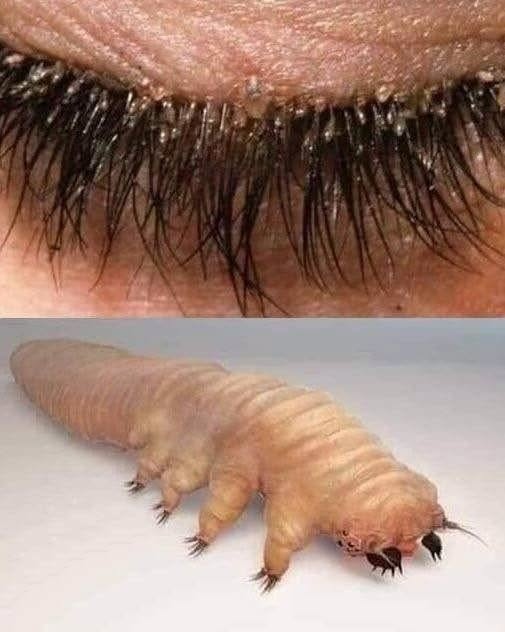
Many people are unaware that microscopic organisms naturally live on human skin. Among the most common of these microscopic inhabitants are Demodex mites—tiny, eight-legged arachnids that inhabit hair follicles and sebaceous (oil) glands across the face, particularly around the eyelashes, eyebrows, nose, and forehead. While the thought of microscopic creatures living on the face might sound alarming, they are actually a normal component of the human skin microbiome for the vast majority of adults.
However, when these microscopic organisms overpopulate due to factors like changes in skin hygiene, age, stress, or underlying skin conditions like rosacea, they can cause inflammation, irritation, and ocular surface discomfort. This condition, often referred to as Demodex blepharitis, is a frequent yet underdiagnosed cause of itchy, red, or crusty eyelids.
In this comprehensive eye health guide, we explore the biology of eyelash mites, identify the key symptoms of an overgrowth, detail clinical and home management protocols, and examine how proper ocular hygiene protects your long-term vision, health, and personal finances.
What Are Demodex Mites?
Demodex mites are microscopic parasites that reside exclusively on mammals, with two primary species inhabiting human skin: Demodex folliculorum and Demodex brevis.
[ Hair Follicles & Eyelashes ] ──> Demodex folliculorum (Feeds on Dead Skin Cells)
[ Sebaceous Oil Glands ]       ──> Demodex brevis (Feeds on Sebum Oils)
Key Biological Characteristics:
-
Demodex folliculorum: Typically resides inside hair and eyelash follicles. These mites are slightly longer and feed primarily on dead skin cells and cellular debris.
-
Demodex brevis: Prefers deeper oily environments, living inside the sebaceous glands and Meibomian glands along the eyelid margins.
-
Microscopic Size: Measuring between 0.1mm and 0.4mm in length, these mites are completely invisible to the naked human eye. An eye care professional can only detect them using high-magnification slit-lamp microscope examinations.
Nearly all human adults harbor a small population of Demodex mites without experiencing any negative symptoms or tissue irritation.
6 Signs You Might Have an Eyelash Mite Overgrowth
While a balanced population of mites causes zero harm, an overpopulation (Demodex infestation or blepharitis) triggers distinct physical symptoms around the eyes and eyelids:
1. Cylindrical Dandruff (Collarettes) at the Lash Base
The hallmark sign of a Demodex overgrowth is the presence of tiny, clear or white cylindrical crusts—known scientifically as collarettes—wrapped tightly around the base of the eyelashes. These sleeve-like crusts are formed from accumulated keratinized skin cells, mite digestive enzymes, and waste matter.
2. Chronic Itchiness along Eyelid Margins
Persistent itching, particularly pronounced first thing in the morning upon waking, is a classic symptom. Because mites are sensitive to light, they are most active in darkness at night, which can trigger morning eyelid irritation.
3. Redness, Swelling, and Eyelid Inflammation
As mites reproduce within hair follicles, their sharp digestive enzymes and bodily presence irritate delicate eyelid skin, leading to chronic redness, swollen lid margins (blepharitis), and visible broken capillaries (telangiectasia).
4. Unexplained Eyelash Loss (Madarosis)
Excessive mite density inside single hair follicles weakens the root structure of the lash shaft. This can cause eyelashes to become brittle, misdirected, or fall out frequently (madarosis).
5. Dry, Gritty, or Burning Sensation in the Eyes
When Demodex brevis mites inhabit the Meibomian glands along the eyelid rim, they block the release of healthy lipids required to coat the tear film. Without this protective oil layer, natural tears evaporate too rapidly, causing chronic Dry Eye Syndrome (DES) characterized by a gritty, burning sensation.
6. Recurrent Styes or Chalazions
Clogged oil glands caused by mite buildup and secondary bacterial proliferation often lead to painful localized bumps along the eyelid edge, commonly known as styes (hordeolums) or hardened inflammatory cysts (chalazions).
Causes and Risk Factors for Demodex Overgrowth
Understanding why Demodex populations multiply helps in taking effective preventative action.
| Risk Factor | Biological Mechanism | Impact on Eye Health |
| Advancing Age | Natural changes in skin immune response & sebum production | Higher prevalence in adults over 60 |
| Facial Rosacea | Vascular changes & skin inflammation provide ideal environment | Increased risk of chronic blepharitis |
| Sleeping in Eye Makeup | Traps oils, dead skin cells, & debris near lash follicles | Accelerates mite population growth |
| Compromised Immune Function | Reduced ability to regulate natural skin microbiome | Higher susceptibility to tissue irritation |
How Eye Care Professionals Treat Demodex Blepharitis
If you suspect an eyelash mite overgrowth, visiting an optometrist or ophthalmologist is the most effective step. Eye doctors use specialized diagnostic methods to evaluate eyelash bases and prescribe targeted treatments.
1. Tea Tree Oil (Terpinen-4-ol) Treatments
Standard antibacterial cleansers and baby shampoo are largely ineffective against Demodex mites. However, tea tree oil—specifically its active component, terpinen-4-ol—has been clinically proven to eradicate mites and break their breeding cycle.
-
Professional-grade eyelid wipes and foam cleansers formulated with low concentrations of tea tree oil are specifically designed for safe daily use around sensitive eye tissues.
-
Caution: Never apply raw, undiluted pure tea tree oil directly to your eyes or eyelids, as concentrated essential oils cause severe chemical burns and corneal damage.
2. Prescription In-Office Microblepharoexfoliation
Eye care providers can perform in-office eyelid debridement using motorized sponges or specialized medical tools to gently scrub away stubborn collarettes and clear blocked oil gland openings.
3. FDA-Approved Targeted Eye Drops
Recent advancements in ophthalmic medicine have introduced FDA-approved prescription eye drops specifically formulated to paralyze and eliminate Demodex mites safely, providing rapid relief for patients with chronic blepharitis.
The Financial & Health Impact of Proper Ocular Hygiene
Maintaining a consistent daily eye hygiene routine yields significant long-term benefits for your visual health, comfort, and personal finance budget.
-
Preventing Misdiagnosed Dry Eye Expenses: Chronic Demodex blepharitis is frequently misdiagnosed as standard dry eye syndrome or seasonal allergies. Patients often spend hundreds of dollars out-of-pocket on ineffective lubricating artificial tears, allergy eye drops, or expensive procedures before treating the underlying mite overgrowth.
-
Lowering Medical Insurance Copays: Treating eyelid inflammation early prevents severe corneal complications, recurring styes, and chronic Meibomian Gland Dysfunction (MGD), eliminating frequent doctor visits, prescription costs, and out-of-pocket medical expenses.
-
Protecting Contact Lens Wearers: Clean eyelid margins allow contact lens wearers to comfortably wear their lenses without experiencing discomfort or premature lens contamination.
Daily Home Care Habits to Prevent Eyelash Mite Build-Up
Incorporating basic eyelid hygiene into your daily routine keeps Demodex populations balanced and maintains healthy eye margins:
-
Remove Eye Makeup Thoroughly Every Night: Never go to bed with mascara, eyeliner, or false eyelash glue attached to your lids. Use gentle, oil-free makeup removers followed by a dedicated lid wipe.
-
Clean Eyelids with Hypochlorous Acid or Tea Tree Cleansers: Use an over-the-counter hypochlorous acid spray or tea tree eyelid wipe daily during your morning or evening facial wash.
-
Wash Bedding in Hot Water Regularly: Wash pillowcases, bed sheets, and face towels weekly in hot water (at least 130°F or 54°C) and dry on high heat to eliminate mites and bacteria.
-
Replace Eye Makeup Products Periodically: Discard mascara tubes every 3 months and replace liquid eyeliners regularly to avoid bacterial and parasitic re-contamination.
-
Avoid Sharing Personal Items: Never share eye makeup, makeup brushes, towels, or pillowcases with family members or friends.
Frequently Asked Questions (FAQ)
Are eyelash mites contagious?
Demodex mites can be transferred through direct physical contact, such as sharing towels, pillowcases, or eye makeup. However, because almost all adults naturally harbor small populations of these mites, transmission is usually not a concern unless the recipient has a compromised immune system or poor lid hygiene.
Can I see eyelash mites using a magnifying mirror at home?
No. Individual Demodex mites are far too microscopic to see with standard bathroom mirrors or magnifying tools. However, you can visually observe the cylindrical crusts (collarettes) stuck around the base of your eyelashes.
Does having Demodex mites mean my home or face is dirty?
Not at all. Having Demodex mites is a completely natural aspect of human biology and is not a sign of poor personal hygiene. However, establishing a dedicated eyelid hygiene routine helps regulate their numbers and prevents inflammatory symptoms.
How long does it take to get rid of a Demodex overgrowth?
Because the complete life cycle of a Demodex mite is approximately 14 to 18 days, consistent daily lid cleaning treatment is typically required for 4 to 6 weeks to eliminate both adult mites and newly hatched eggs completely.
Final Thoughts
Microscopic organisms like Demodex mites are a normal part of the human skin microbiome. While a balanced population causes no harm, recognizing the warning signs of an overgrowth—such as cylindrical lash crusts, chronic morning itching, and dry, red eyelids—empowers you to take action early.
By practicing daily eyelid hygiene, using specialized lid cleansers, and seeking professional guidance from an eye doctor when needed, you can maintain healthy eyelids, protect your vision, and keep your eyes feeling comfortable every day.
