
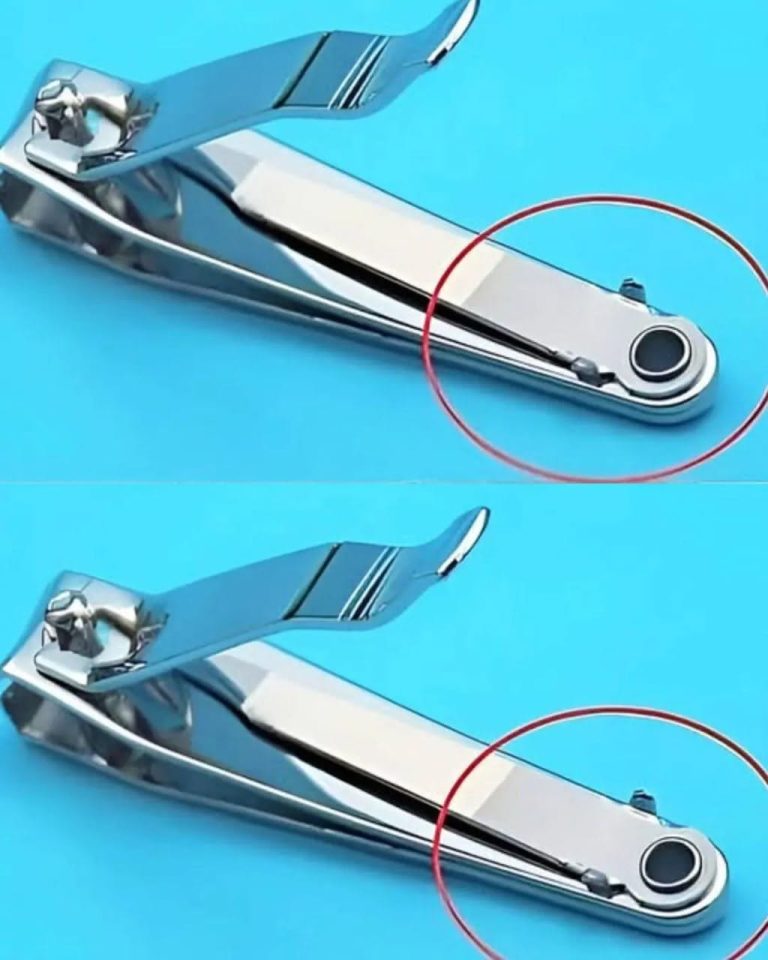
Standard metal nail clippers are a fixture in almost every bathroom medicine cabinet, grooming kit, and travel bag around the world. These simple, inexpensive grooming tools have remained virtually unchanged in design for over a century. We use them routinely to trim fingernails and toenails, clean under nail beds, or smooth rough edges with the flip-out file. However, despite how ubiquitous nail clippers are, most people have never stopped to inspect the small hole, notch, or hinge mechanism located at the base handle end.
If you look closely at a standard set of compound-lever nail clippers, you will notice a circular hole stamped through the base of both steel arms, often paired with a small notch or catch near the rear swivel pin. While many assume these design elements are merely manufacturing artifacts or places to attach a keyring, they actually serve brilliant functional, mechanical, and practical purposes.
In this ultimate guide, we uncover the hidden engineering secrets of standard nail clippers, explore proper nail hygiene practices, analyze how personal care habits impact health and hygiene, and discuss how smart grooming maintenance can save you money on healthcare and cosmetic expenses.
What Is the Hole at the End of Nail Clippers Really For?
The circular hole stamped near the base of nail clippers serves three distinct primary functions—ranging from storage utility to mechanical assembly and multi-tool capability.
1. Keyring and Lanyard Attachment
The most obvious practical application for the hole at the end of the clippers is utility attachment.
-
Travel Organization: Threading a small keyring or carabiner through the hole allows you to secure clippers inside toiletry bags, dopp kits, or keychains so they never get lost at the bottom of a suitcase.
-
Hanging Storage: In bathrooms, passing a thin cord or hook through the hole allows you to hang clippers neatly inside medicine cabinets or on grooming organizer boards, keeping counter surfaces clutter-free.
2. Assembly Pin and Rivet Alignment during Manufacturing
From a manufacturing perspective, the hole plays a crucial role in mass production assembly:
-
High-volume manufacturing lines use mechanical guide pins that pass through these exact holes to hold the top and bottom spring-steel blades in precise alignment while the main swivel rivet is pressed into place.
-
This alignment process ensures the curved cutting jaws meet with absolute precision, enabling a clean, crisp shear without tearing or jagged edges.
3. Wire Stripping and Emergency Utility
In a pinch, the combination of the rear hole and the lever arm can act as a light-duty wire stripper or string cutter:
-
Inserting a thin covered wire or thread through the hole and pressing down lightly with the lever scores the outer insulation without severing the internal metal strands, allowing you to strip small electrical wires during quick home repairs.
Understanding the Hidden Mechanics: How Compound-Lever Clippers Work
Standard nail clippers are a masterpiece of mechanical engineering, relying on simple physics principles to generate impressive cutting force with minimal finger effort.
[ Finger Pressure on Lever ] ──> Class-2 Lever Multiplies Force ──> Fulcrum Rivet ──> Jaw Shear
The Two Mechanical Systems Inside Clippers:
-
The Primary Lever (Class-2 Lever): The top handle you press with your thumb acts as a lever. By placing your thumb far away from the front fulcrum post, you maximize mechanical advantage.
-
The Spring Jaw Base (Class-3 Lever): The main body consists of two heat-treated spring steel arms joined at the base. When you press the top lever, it pushes down on the upper jaw, forcing both sharp edges together to clip the nail cleanly.
Understanding this force multiplication explains why clippers require so little pressure to cut through tough, thick toenails.
5 Common Grooming Mistakes That Damage Nails
Using nail clippers incorrectly can cause painful nail damage, ingrown nails, and fungal infections. Here are five major mistakes to avoid during your personal care routine:
1. Cutting Nails Straight Across Too Short
Trimming fingernails too close to the quick exposes sensitive skin underneath and compromises the natural protective seal around the nail bed, making your hands vulnerable to bacterial infections (paronychia).
2. Rounding the Corners of Toenails
When trimming toenails, rounding the side edges deep into the nail fold is the leading cause of painful ingrown toenails. Toenails should always be trimmed straight across with slightly rounded corners to guide healthy outward growth.
3. Using Dull or Rusted Clippers
Dull clipper jaws do not shear cleanly—they crush, bend, and split the nail plate layers. This leads to peeling nails, jagged snagging, and structural weakness.
4. Sharing Unsterilized Grooming Tools
Sharing nail clippers among family members without sterilizing them first can easily transmit bacterial, viral, and fungal infections (such as onychomycosis or plantar warts).
5. Clipping Dry, Brittle Nails
Attempting to trim completely dry nails can cause them to crack or splinter. Nails are much more flexible and easier to cut smoothly after a warm shower or soak.
The Financial & Health Impact of Proper Nail Hygiene
Investing a few minutes in proper nail care and tool maintenance yields significant long-term benefits for your physical health and personal finance budget.
| Practice | Health Benefit | Annual Cost Avoidance |
| Proper Straight-Cut Toenail Care | Prevents painful ingrown toenails | Avoids $200 – $600 podiatrist removal fees |
| Regular Tool Sterilization | Prevents fungal & bacterial infection | Saves $100 – $300 on prescription antifungal meds |
| Moisturizing & Careful Trimming | Prevents nail splitting & infection | Cuts down on out-of-pocket medical copays |
How Good Hygiene Protects Your Wallet:
-
Preventing Podiatrist Visits: Severe ingrown toenails frequently require minor surgical procedures, local anesthesia, and specialist office visits. Practicing correct clipping technique prevents these costly medical interventions entirely.
-
Reducing Medical Insurance Claims: Keeping personal care tools clean minimizes skin infections that require prescription antibiotics, urgent care visits, or health insurance deductible spending.
How to Clean and Sterilize Your Nail Clippers Properly
To keep your metal grooming tools hygienic and rust-free for years, perform this simple 3-step cleaning routine regularly:
-
Scrub with Soap and Water: Use a small brush and warm soapy water to remove accumulated nail dust, skin oils, and debris trapped in the jaw hinge.
-
Disinfect with Rubbing Alcohol: Submerge the clippers in 70% or higher isopropyl rubbing alcohol for 10 minutes, or wipe all surfaces thoroughly with an alcohol prep pad to destroy bacteria and fungi.
-
Dry Completely: Always dry your clippers thoroughly with a clean towel before storing them. Even stainless steel clippers can develop surface oxidation if stored damp inside air-tight plastic bags or humid bathroom drawers.
Frequently Asked Questions (FAQ)
Why do some nail clippers have a small metal catch near the back?
The small catch or raised notch near the rear pin acts as a lever stopper. When you rotate the top lever 180 degrees and fold it flat for storage, the notch hooks into place, preventing the lever from swinging loose while inside your pocket or grooming kit.
What is the difference between fingernail and toenail clippers?
Fingernail clippers feature a curved cutting blade designed to match the natural arch of fingernail tips. Toenail clippers are larger, sturdier, and feature a straight cutting blade to prevent rounding corners and reduce the risk of ingrown nails.
How often should I replace my nail clippers?
High-quality stainless steel clippers can last 5 to 10 years or more if kept clean and dry. However, if you notice the blades pulling or crushing nails rather than making a crisp snapping cut, it is time to replace them with a fresh pair.
Can I sharpen dull nail clippers at home?
Yes! You can gently rub a small strip of folded aluminum foil between the clipper jaws and make 10 to 15 quick clips. The foil friction cleans off minor burrs and slightly restores sharpness to dull edges.
Final Thoughts
The humble nail clipper is a masterclass in everyday utility design. From its force-multiplying compound levers to the multi-purpose hole and retention notches at the base, every detail serves a clear purpose.
By understanding how your grooming tools work, practicing safe trimming techniques, and keeping your clippers clean and disinfected, you can keep your hands and feet healthy, avoid painful nail complications, and minimize unnecessary healthcare costs.
