
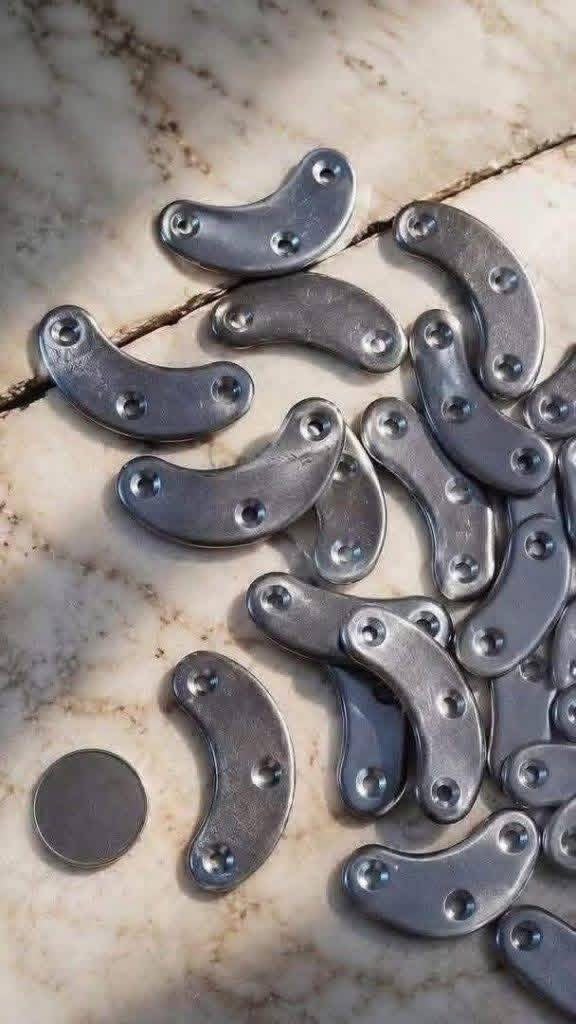
When examining vintage leather dress shoes, work boots, or specialized footwear, you might notice small, curved metal or nylon plates screwed or nailed directly into the bottom rim of the heel. Known traditionally as heel taps, heel plates, or Blakeys, these simple hardware pieces have been used by cobblers and footwear enthusiasts for generations.
While modern rubber soles have reduced the everyday need for metal hardware, heel taps remain a popular accessory for preserving high-end leather footwear, reducing maintenance costs, and providing durability for specific occupations. In this comprehensive footwear care, leather restoration, and consumer advocacy guide, we will analyze the function of heel taps, explore shoe preservation techniques, review personal property protection, and discuss consumer rights in footwear care.
What Are Heel Taps and Why Are They Used?
Heel taps are small, crescent-shaped metal or plastic reinforcements attached to the high-wear areas of a shoe’s outsole:
1. Preventing Wear on High-Impact Zones
Most people do not walk with perfectly flat foot strikes. Due to natural gait mechanics (supination or pronation), the outer back edge of the heel striking the pavement absorbs the highest amount of friction and impact force. Over time, this causes the leather or rubber heel lift to wear down unevenly, forcing premature shoe repairs or permanent structural distortion. Attaching a hard metal or nylon tap absorbs this friction, preserving the underlying heel stack.
2. Extending Footwear Lifespan and Saving Repair Costs
High-quality Goodyear-welted dress shoes or handcrafted leather boots can cost hundreds of dollars. Replacing worn-out leather heel caps at a shoe repair shop repeatedly can be costly. Installing inexpensive metal or plastic heel taps acts as a sacrificial barrier, significantly extending the time between full cobbler resoles and heel replacements.
3. Noise, Traction, and Historic Uses
-
Metal vs. Plastic Taps: Traditional steel taps make a distinct metallic “clicking” sound on hard surfaces, which some wearers appreciate for classic style, while modern flush plastic/nylon taps offer silent protection.
-
Traction Considerations: Metal taps can be slick on smooth marble or icy surfaces, whereas recessed plastic or polyurethane taps offer durability without compromising grip.
Best Practices for Footwear Care and Shoe Tap Installation
Preserving fine leather footwear requires combining structural protection with proper leather maintenance:
-
Flush Installation by a Professional Cobbler: While surface-mount taps can be screwed on at home, a professional cobbler can inlet or recess the tap directly into the heel stack so that it sits completely flush with the sole level, preventing uneven gait tilting and slippage.
-
Use Cedar Shoe Trees Daily: Moisture from foot perspiration degrades internal leather linings and causes sole leather to warp. Inserting aromatic cedar shoe trees after wearing helps absorb moisture, deodorize, and maintain original shoe shape.
-
Regular Leather Conditioning and Polishing: Clean leather uppers with saddle soap and apply quality cream polish to hydrate leather fibers, preventing cracking along flex points.
Property Care, Consumer Advocacy, and Footwear Warranties
Investing in durable goods like premium footwear involves understanding product warranties and consumer protection.
Warranty Coverage and Shoe Restoration Services
High-end footwear manufacturers often offer official refurbishing or recrafting programs. Reviewing manufacturer warranty terms ensures that attaching aftermarket metal heel taps or third-party hardware does not void warranty protections or official brand recrafting eligibility.
Consumer Advocacy and Product Safety
Under consumer protection regulations, footwear manufacturers and repair products must adhere to materials safety standards, particularly regarding adhesives, non-toxic tacks, and slip-resistance labeling. Consulting legal services specializing in consumer rights or product advocacy helps resolve defective footwear claims, deceptive repair services, or warranty disputes effectively.
Fascinating Historical and Footwear Facts
-
The Origin of “Blakeys”: Metal shoe taps gained widespread popularity in the UK during the 19th and 20th centuries, heavily popularized by Blakey’s Boot Protectors, founded by John Blakey in 1880.
-
Military Boots: Historically, iron heel plates and toe irons (hobnails) were standard military issue to preserve army boots during long marches over harsh terrain.
-
Toe Taps vs. Heel Taps: In addition to heel plates, cobblers frequently install triangular or crescent toe taps (lulu plates) on leather soles to protect the front tip from grinding against concrete.
Conclusion
Heel taps are durable, crescent-shaped metal or plastic plates designed to protect the high-friction outer edges of shoe heels from wearing down prematurely. By absorbing pavement impact and preserving the underlying heel stack, taps extend the lifespan of fine footwear and save money on frequent cobbler repairs. Combining proper heel protection with cedar shoe trees and routine leather conditioning keeps your shoes comfortable, functional, and pristine for years to come.
Frequently Asked Questions (FAQ)
1. Are metal heel taps loud when walking on hard floors?
Yes. Surface-mounted steel heel taps create a sharp metallic clicking sound on tile, hardwood, and concrete. If you prefer quiet protection, opt for high-density polyurethane or nylon taps, which offer similar wear protection silently.
2. Can heel taps make shoes slippery?
Metal heel taps can reduce traction slightly on smooth polished surfaces like marble, wet tile, or ice. Recessing the tap flush into the heel or choosing textured plastic taps minimizes slippage while maintaining sole protection.
3. Can I install shoe taps myself at home?
Yes, basic surface-mount tap kits come with small screws or nails that can be fastened into rubber or leather soles. However, for seamless comfort, having a professional cobbler recess the tap flush into the sole is recommended.
