
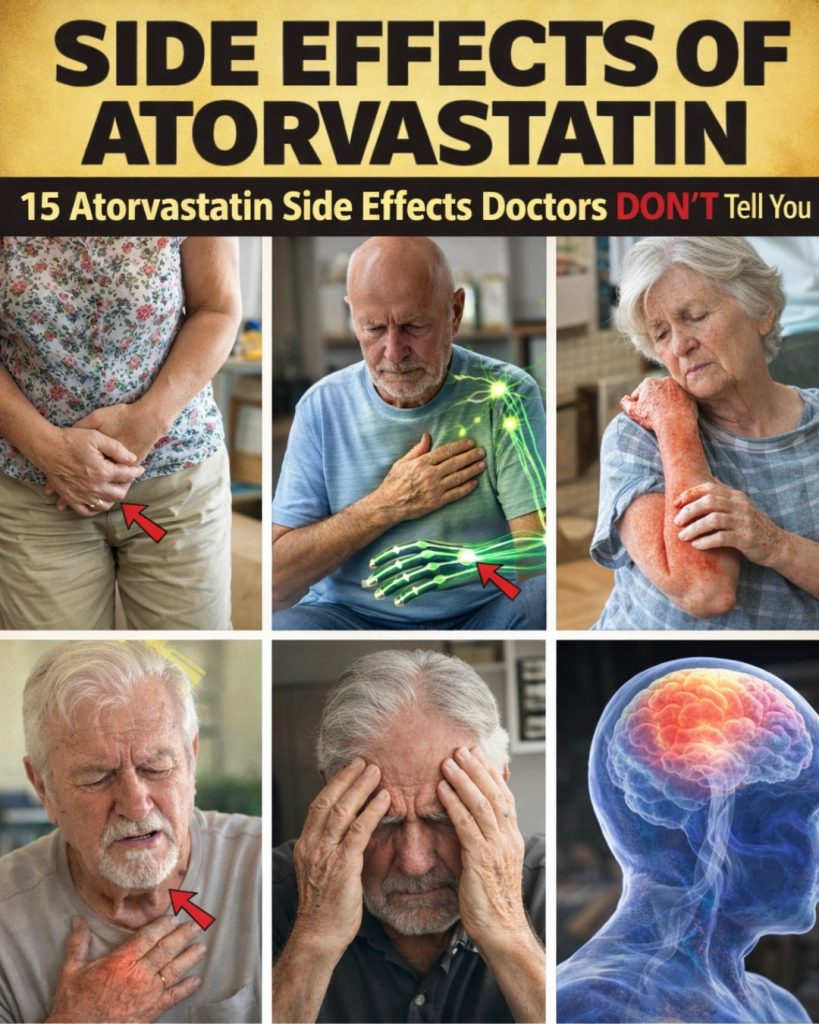
Atorvastatin, widely known under brand names like Lipitor, is one of the most frequently prescribed medications in modern medicine. Millions of adults rely on it daily to lower low-density lipoprotein (LDL) cholesterol, manage cardiovascular risk, and prevent heart attacks or strokes. However, like any powerful pharmaceutical therapy, statins interact with complex biological systems in ways that extend beyond lipid regulation. While doctors discuss the primary benefits during routine consultations, patients often experience secondary symptoms that warrant a thorough, transparent evaluation.
Understanding the potential side effects, adverse drug reactions, and long-term implications of Atorvastatin is essential for taking control of your health. Whether you are currently taking a statin, considering statin therapy, or managing healthcare decisions for an aging loved one, having comprehensive knowledge empowers you to ask informed questions during medical appointments. This detailed guide explores the full spectrum of Atorvastatin side effects, key warning signs, drug interaction risks, and practical steps to discuss with your healthcare provider.
Understanding Atorvastatin and How Statins Work in the Body
Atorvastatin belongs to a class of drugs called HMG-CoA reductase inhibitors, commonly referred to as statins. These medications work primarily in the liver, where they block the specific enzyme responsible for producing cholesterol. By reducing internal cholesterol production, statins force liver cells to absorb more LDL cholesterol from the bloodstream, thereby lowering circulating blood fat levels and stabilizing arterial plaque.
Why Doctors Prescribe Statins
Cardiovascular disease remains a leading health concern globally, making cholesterol management a central pillar of preventative cardiology. Physicians typically prescribe Atorvastatin for individuals with:
-
High blood levels of LDL (“bad”) cholesterol
-
A history of coronary artery disease, heart attack, or stroke
-
Type 2 diabetes with elevated cardiovascular risk factors
-
Familial hypercholesterolemia (a genetic predisposition to extreme cholesterol levels)
While the clinical efficacy of statins in reducing major cardiovascular events is supported by extensive health research, balancing efficacy with patient comfort and safety requires ongoing monitoring.
The 15 Side Effects Associated with Atorvastatin
Patients taking Atorvastatin may experience a wide range of reactions, spanning from mild, temporary digestive discomfort to rare systemic complications. Here is an in-depth breakdown of 15 recognized side effects, organized by the bodily systems they affect.
1. Muscle Pain, Soreness, and Aches (Myalgia)
Muscle pain or weakness is among the most frequently reported complaints from statin users. Patients often describe a deep ache, stiffness, or heaviness in large muscle groups such as the thighs, shoulders, or lower back. Statin-induced myalgia can range from mild discomfort after exercise to persistent muscle soreness that interferes with daily physical activities.
2. Muscle Damage and Rhabdomyolysis
In rare instances, statin therapy can cause a severe, life-threatening form of muscle breakdown known as rhabdomyolysis. This condition causes damaged muscle tissue to release proteins (such as myoglobin) directly into the bloodstream, which can lead to acute kidney injury or kidney failure. Warning signs include severe muscle fatigue, profound weakness, and dark, tea-colored urine.
3. Joint Pain and Stiffness (Arthralgia)
Beyond muscle aches, many individuals report persistent joint pain, swelling, or localized inflammation in the knees, elbows, hands, or ankles. This discomfort is sometimes mistaken for age-related arthritis, leading patients to overlook the timing between starting statin medication and the onset of joint stiffness.
4. Unexplained Physical Fatigue and Lethargy
Systemic fatigue is a common secondary symptom reported by statin patients. Because statins inhibit the HMG-CoA reductase pathway, they also inadvertently decrease the body’s natural synthesis of Coenzyme Q10 (CoQ10)—a vital nutrient required by cellular mitochondria to produce energy. Reduced cellular energy can lead to general physical exhaustion and lower stamina.
5. Gastrointestinal Distress and Stomach Cramps
Digestive disturbances are common, especially when initiating statin therapy or increasing dosage. Symptoms include upper abdominal pain, stomach cramps, bloating, excessive gas, and persistent indigestion. Taking the medication with food can sometimes help alleviate surface-level stomach irritation.
6. Nausea and Loss of Appetite
Feeling nauseous or experiencing an upset stomach shortly after taking Atorvastatin is another digestive issue reported by patients. In some cases, persistent mild nausea can lead to a reduced appetite, unintended weight loss, or changes in food taste perception.
7. Changes in Bowel Habits (Diarrhea or Constipation)
Atorvastatin can alter normal gastrointestinal motility. Some patients report sudden bouts of loose stools and diarrhea, while others experience sluggish digestion and chronic constipation. Persistent changes in bowel habits should always be monitored to avoid dehydration or electrolyte imbalances.
8. Cognitive Changes and “Brain Fog”
A notable concern reported by some statin users involves mild cognitive impairment. Patients describe experiencing temporary memory loss, difficulty concentrating, mental confusion, or a feeling of “brain fog.” While health regulatory agencies acknowledge these reported cognitive symptoms, studies indicate they are typically reversible once the medication is adjusted or discontinued under clinical guidance.
9. Headaches and Dizziness
Recurrent headaches and lightheadedness are frequently documented during the early weeks of starting Atorvastatin. While these symptoms often fade as the central nervous system adapts to lipid alterations, persistent headaches warrant consultation to rule out blood pressure fluctuations or neurological interactions.
10. Sleep Disturbances and Insomnia
Disrupted sleep patterns, difficulty falling asleep, frequent nighttime awakenings, and vivid or unusual dreams have been reported by individuals on statin regimens. Because sleep quality plays a crucial role in overall health, persistent insomnia can compound physical fatigue and daytime stress.
11. Elevated Liver Enzymes and Hepatic Stress
Statins are metabolized directly by the liver, making liver function monitoring an standard clinical precaution. Atorvastatin can cause temporary elevations in hepatic enzymes (ALT and AST). While mild elevations are often asymptomatic, significant liver inflammation can manifest as yellowing of the skin or eyes (jaundice), abdominal swelling, or dark urine.
12. Blood Sugar Fluctuations and Diabetes Risk
Clinical trials have demonstrated that statin therapy carries a slight increase in the risk of elevated blood glucose levels and insulin resistance. For individuals with prediabetes or metabolic syndrome, Atorvastatin may raise HbA1c levels, requiring closer monitoring of diet, exercise, and blood sugar parameters.
13. Skin Rashes, Itching, and Allergic Reactions
Hypersensitivity to Atorvastatin or its inactive binding ingredients can manifest through dermatological symptoms. Patients may develop localized skin redness, hives, persistent itching, or dry, flaky patches. Severe allergic reactions involving facial swelling, tightness in the throat, or breathing difficulty require immediate emergency medical attention.
14. Peripheral Neuropathy (Numbness and Tingling)
Some long-term users report neurological sensations in the extremities, such as nerve tingling, “pins and needles,” burning sensations, or numbness in the fingers, hands, feet, or toes. This condition, known as peripheral neuropathy, occurs when peripheral nerve function is altered, requiring prompt medical review.
15. Shortness of Breath and Respiratory Symptoms
In rare cases, statin use has been associated with unexplained dyspnea (shortness of breath), chronic dry cough, or lung inflammation (interstitial lung disease). If breathing difficulties develop without a clear pulmonary or cardiac explanation, evaluating ongoing prescription medications is an important diagnostic step.
Critical Factors That Increase Your Risk of Side Effects
Not every person taking Atorvastatin will experience adverse symptoms. However, certain underlying biological, lifestyle, and clinical factors significantly increase susceptibility:
+-----------------------------------------------------------------------+
|                       STATIN RISK FACTOR MATRIX                       |
+--------------------------+--------------------------------------------+
| High-Risk Category       | Primary Contributing Factors               |
+--------------------------+--------------------------------------------+
| Age & Gender             | Adults aged 65+, Females                   |
| Existing Conditions      | Pre-existing Kidney, Liver, or Thyroid     |
| Dosage Level             | High-dose regimens (e.g., 80mg daily)      |
| Lifestyle & Diet         | High alcohol intake, Grapefruit consumption|
| Medication Overlap       | Fibrates, Azole antifungals, Macrolides    |
+--------------------------+--------------------------------------------+
-
High Prescribed Doses: Higher daily dosages (such as 40mg or 80mg) carry a greater statistical risk of muscle soreness and liver enzyme elevations compared to lower maintenance doses (10mg or 20mg).
-
Age and Gender: Adults over age 65 and female patients statistically report higher rates of muscle-related complaints and systemic fatigue while on statins.
-
Pre-existing Health Conditions: Individuals with underlying renal dysfunction, chronic liver disease, or untreated hypothyroidism are at greater risk of impaired drug clearance and heightened toxicity.
-
Grapefruit and Food Interactions: Grapefruit juice contains compounds that inhibit CYP3A4, a key liver enzyme responsible for breaking down Atorvastatin. Consuming large quantities of grapefruit can dramatically increase statin concentration in the blood, escalating toxicity risks.
Important Legal, Insurance, and Healthcare Considerations
Navigating prescription drug management intersects directly with legal services, health insurance policies, and broader financial planning. Understanding these aspects helps protect both your health and your personal finances.
1. Health Insurance Coverage and Formularies
Health insurance providers maintain structured medication formularies that dictate coverage levels for lipid-lowering drugs. If your physician determines that Atorvastatin causes intolerable side effects, your insurance policy may cover alternative statins (like Rosuvastatin or Pravastatin) or newer non-statin therapies (such as PCSK9 inhibitors or Ezetimibe). Obtaining prior authorization or filing an insurance appeal may require documentation from your primary physician.
2. Legal Rights and Medical Safety Standards
Pharmaceutical manufacturers and prescribing clinicians are legally required to provide clear warnings regarding known drug interactions and severe adverse risks. If an adverse event occurs due to an unaddressed drug interaction or improper dosing monitoring, consulting specialized legal services or healthcare patient advocates can help clarify your options regarding medical negligence or product liability.
3. Long-Term Financial and Retirement Planning
Chronic health conditions and prescription regimens play a major role in long-term financial stability. Incorporating expected medical costs, routine lab work, specialist consultations, and potential long-term care needs into your overall retirement and estate plan ensures comprehensive protection for your family’s financial future.
Practical Steps to Manage and Reduce Statin Side Effects
If you suspect you are experiencing side effects from Atorvastatin, do not stop taking your medication abruptly. Abruptly discontinuing a prescribed statin can lead to a sudden spike in cholesterol levels and increase your immediate risk of a cardiovascular event. Instead, take proactive, structured steps with your medical team.
Step 1: Keep a Detailed Symptom Log
Document exactly when your symptoms began, their severity, and whether they correlate with physical activity or meal times. Note down specific locations of muscle pain, joint stiffness, or digestive issues.
Step 2: Request Baseline Blood Work
Ask your doctor to order comprehensive lab tests, including:
-
Creatine Kinase (CK): Measures muscle protein breakdown in the blood.
-
Liver Function Tests (ALT/AST): Assesses liver enzyme levels.
-
HbA1c & Fasting Glucose: Monitors blood sugar impact.
-
Thyroid Panel (TSH): Rules out underlying hypothyroidism, which exacerbates muscle aches.
Step 3: Discuss Dosage Adjustment or Alternative Medications
Your doctor may recommend:
-
Lowering your Atorvastatin dosage
-
Switching to a hydrophilic statin (such as Pravastatin or Rosuvastatin) that penetrates muscle tissue less readily
-
Implementing alternate-day dosing schedules
-
Exploring non-statin cholesterol-lowering alternatives
Step 4: Evaluate Supplement Strategy (CoQ10)
Discuss with your physician whether supplementing with Coenzyme Q10 (CoQ10) or Ubiquinol is appropriate for your situation. Some clinical studies suggest CoQ10 supplementation may help replenish cellular energy depleted by statin therapy and alleviate mild myalgia.
Interesting Facts About Cholesterol and Statins
-
Origin in Fungi: The first statin compounds were originally discovered in Penicillium and Aspergillus mold cultures during biological research in the 1970s.
-
Brain Composition: The human brain is the most cholesterol-rich organ in the body, containing nearly 25% of the body’s total cholesterol, which is why scientists closely study cognitive impacts.
-
Plaque Stabilization: Beyond lowering LDL, statins help “smooth over” arterial plaques, reducing the likelihood that plaque will rupture and cause a sudden heart attack.
-
Dietary Synergy: Adopting a Mediterranean diet rich in fiber, healthy fats, and antioxidants can enhance the cholesterol-lowering effectiveness of medical therapy.
Conclusion
Atorvastatin remains a cornerstone of preventative cardiovascular medicine, helping millions lower cholesterol and manage heart health. However, being aware of potential side effects—ranging from muscle pain and digestive symptoms to cognitive fog and liver stress—allows you to advocate effectively for your well-being. Never alter or discontinue your medication without consulting your doctor. By maintaining an open dialogue with your healthcare provider, monitoring your symptoms, and reviewing your overall care plan, you can strike the ideal balance between heart protection and vital daily comfort.
Frequently Asked Questions (FAQ)
What should I do if I experience muscle pain while taking Atorvastatin?
Contact your prescribing doctor promptly. They can check your blood creatine kinase (CK) levels to rule out muscle damage and discuss lowering your dose, changing medications, or adding supportive therapy.
Can I drink alcohol while taking Atorvastatin?
Moderate alcohol consumption is generally acceptable for most individuals, but heavy or binge drinking significantly increases the risk of liver toxicity and elevated liver enzymes when combined with statin therapy.
How long do Atorvastatin side effects usually last?
Mild symptoms such as slight nausea or headache may resolve within a few weeks as your body adjusts. However, muscle aches or joint pain usually persist until the dosage is adjusted or the drug is changed under medical supervision.
Is it safe to stop taking Atorvastatin if my cholesterol drops?
No. Statins manage cholesterol levels; they do not permanently cure high cholesterol. Discontinuing the drug will typically cause your cholesterol to return to its previous baseline. Always consult your doctor before stopping any prescribed cardiovascular drug.
Does Atorvastatin cause permanent memory loss?
Current medical consensus indicates that cognitive side effects like memory fog associated with statins are rare, mild, and completely reversible once the medication is stopped or altered.
