
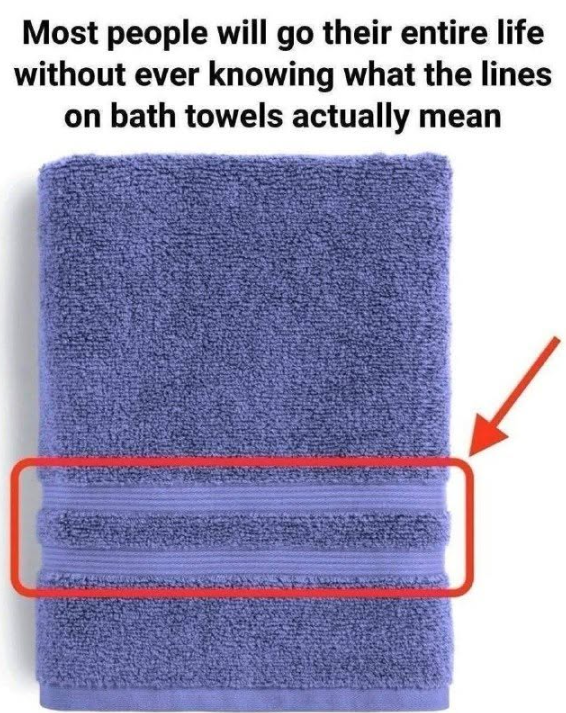
Almost every household owns a set of bath towels featuring flat, smooth woven stripes running near the top and bottom borders. While most people assume these lines are purely decorative, textile experts and towel manufacturers incorporate them for specific structural and manufacturing reasons.
If you have ever wondered why soft, plush terry cloth suddenly transitions into a flat, smooth band near the edge of your towel, you are not alone. In this comprehensive guide, we uncover the hidden engineering behind towel design, the real purpose of these woven borders, and how proper laundry care protects your home textiles for years to come.
What Are the Lines on Bath Towels Called?
In the textile industry, the smooth, flat bands woven into towels are known as the dobby border (or dobby stripe).
The Structure of a Dobby Border
Bath towels are made primarily of terry cloth, a specialized fabric featuring raised loops of thread designed to absorb water quickly. However, near the ends of the towel, weavers use a specialized dobby loom attachment to create a flat, tightly woven section without plush loops.
Dobby Border vs. Jacquard Border
-
Dobby Border: Simple, flat geometric lines, bars, or subtle checkerboard weaves running across the towel width.
-
Jacquard Border: Intricate, decorative patterns such as floral designs or elaborate scrollwork woven into the border area.
The Secret Functions of Towel Lines
While dobby borders add a clean, classic aesthetic to bathroom decor, they serve several crucial functional purposes.
1. Structural Stability and Edge Protection
The primary reason manufacturers weave lines into bath towels is structural integrity. Plush terry loops absorb water efficiently, but they can unravel easily along open edges. A flat, tightly woven dobby band acts as an anchor zone, binding the fabric together, preventing fraying, and holding the towel’s shape after dozens of wash cycles.
2. Identifying Towel Sets and Quality
Hotels, spas, and homeowners use dobby stripes to quickly organize linens. Matching line patterns or numbers of dobby bands help laundry staff identify matching sets (such as bath sheets, hand towels, and washcloths) without unfolding every piece.
3. Quick-Drying and Hanging Aid
The flat dobby border dries much faster than thick terry cloth loops. When hung over a towel bar or hook, the lightweight border zone allows air to circulate around the folded bottom edge, reducing moisture buildup and preventing musty mildew odors.
Common Towel Border Features and Benefits
+---------------------+---------------------------------------------------------+
| Towel Feature       | Primary Benefit & Functional Purpose                    |
+---------------------+---------------------------------------------------------+
| Terry Cloth Loops   | Maximum water absorption and soft hand feel             |
| Dobby Border        | Prevents unraveling and maintains towel structure       |
| Reinforced Hems     | Protects edges from fraying in commercial laundry       |
| Hanging Loop        | Facilitates quick drying and easy storage               |
+---------------------+---------------------------------------------------------+
How to Prevent “Towel Shrinkage” along the Lines
Have you ever noticed your bath towels puckering or gathering into an hourglass shape along the woven lines after washing? This common annoyance is caused by uneven fabric shrinkage.
Why Do Towels Puckers at the Border?
Terry loops and flat dobby borders shrink at different rates when exposed to high heat. Cotton loops tend to relax and contract, while the tight weave of the dobby band pulls inward, creating a tight band that restricts the rest of the towel.
Simple Steps to Keep Towels Flat
-
Wash in Warm or Cold Water: Avoid boiling water temperatures during standard washing cycles to prevent fiber contraction.
-
Tumble Dry on Low to Medium Heat: High dryer heat is the leading cause of puckered dobby borders.
-
Gently Stretch Edges While Damp: Pull the short edges of your towels flat before throwing them into the dryer or hanging them to line dry.
Home Improvement, Hospitality Industry, and Financial Investing
Understanding home care products impacts both everyday household management and broader commercial sectors.
Commercial Linen Investments for Business Owners
In the hospitality, travel, and vacation rental industries, purchasing high-durability linens is a key operational expense. Hotels choose heavy-duty towels featuring reinforced dobby borders to ensure withstand commercial laundering. Managing linen turnover costs efficiently allows property managers to protect profit margins, maintain cash flow, and secure high guest satisfaction scores.
Protecting Your Household Budget
High-quality bath sheets and hand towels represent a solid home improvement investment. By extending the lifespan of your household textiles through proper washing, drying, and storage practices, consumers save money on frequent replacements, keeping household budgets on track.
Practical Tips for Soft, Absorbent Towels
-
Skip fabric softeners, which leave a liquid silicone coating over terry loops that destroys absorbency over time.
-
Add 1/2 cup of white distilled vinegar to the rinse cycle every few weeks to strip away built-up soap residue and restore plushness.
-
Shake towels vigorously before drying to flushes up terry loops and preserve softness.
-
Never leave wet towels bundled in a hamper, as trapped moisture promotes bacterial growth and unpleasant odors.
Fascinating Facts About Towel Manufacturing
-
The word “terry” comes from the French word tirer, meaning “to pull,” referring to the pulled loop structure of absorbent towels.
-
Towel thickness and weight are measured in GSM (Grams per Square Meter), with premium luxury bath towels ranging from 600 to 900 GSM.
-
The dobby loom attachment was invented in the early 19th century to allow automated looms to weave simple geometric patterns into fabrics without expensive manual labor.
-
Turkish and Egyptian cotton are considered the gold standard for towels due to their long staple fibers, which create stronger, softer, and more durable yarns.
Conclusion
The lines near the edge of your bath towel are far more than a decorative accent—they represent smart textile engineering designed to reinforce edges, prevent unraveling, and streamline laundry organization. By taking proper care of your linens during washing and drying, you can preserve their absorbency, keep borders flat, and enjoy long-lasting comfort in your home.
Frequently Asked Questions (FAQ)
What is the line on a towel called?
The flat, woven band near the edge of a towel is called a dobby border or dobby stripe.
Why do the lines on my towels tighten up and shrink?
Dobby borders shrink faster than plush terry loops when exposed to high dryer heat, causing the edges to pucker. Drying towels on low heat helps prevent this issue.
Should you wash new towels before using them?
Yes. New towels are often coated with commercial fabric finishes that reduce water absorption. Washing them before first use removes these coatings and fluffs up the cotton loops.
How often should bath towels be replaced?
With proper care, high-quality cotton towels last between two to three years of daily use before fibers begin losing absorbency and structural strength.
