
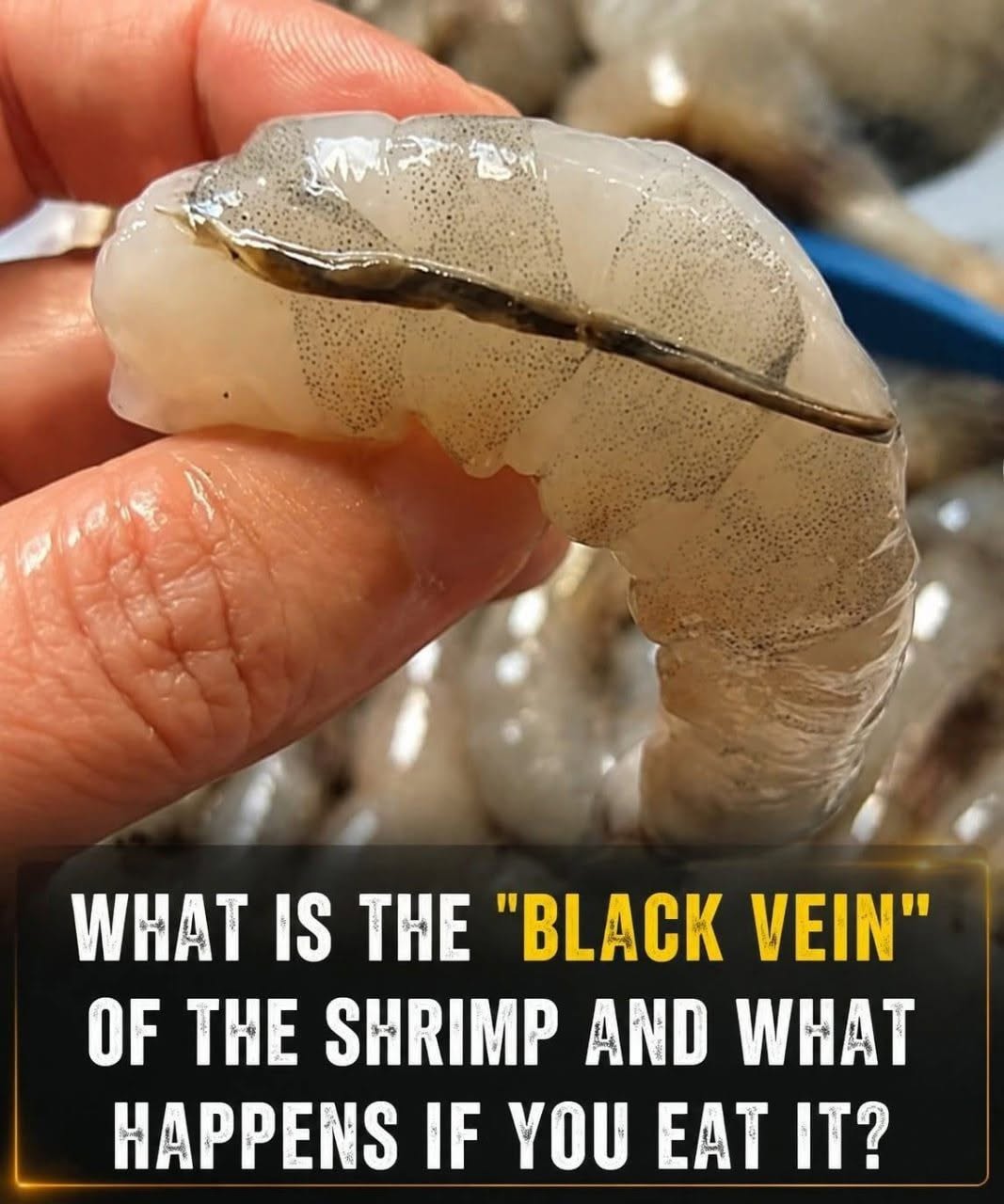
Shrimp is one of the most popular seafood delicacies enjoyed worldwide, celebrated for its sweet flavor, firm texture, and culinary versatility. However, whether you are prepping raw seafood at home or dining out at a restaurant, you have likely noticed a dark, thread-like string running along the back of peeled shrimp. Commonly referred to as the “black vein,” this feature often sparks debate among home cooks and seafood lovers.
Is the black vein safe to ingest, or does consuming it pose serious health risks? In this detailed guide, we demystify what the black vein actually is, examine the culinary and health implications of eating it, provide step-by-step cleaning tips, and highlight essential food safety guidelines for seafood lovers.
Demystifying the Black Vein: Anatomy of a Shrimp
Despite its common name, the dark line running down a shrimp’s back is not a blood vessel or circulatory vein at all.
What Is the Black Vein Made Of?
The dark strip is actually the digestive tract (or intestine) of the shrimp. It carries partially digested food, grit, sand, and waste materials out of the crustacean’s body. The dark color comes from the contents inside the tract, which vary depending on what the shrimp ate before harvest—ranging from microscopic algae and plankton to mud and bottom-dwelling organic matter.
Top Vein vs. Bottom Line
It is worth noting that shrimp actually have two lines running along their bodies:
-
The Dorsal Tract (Back): The dark line along the curved outer back is the digestive tract (the “vein” in question).
-
The Ventral Nerve Cord (Belly): A faint, thin line running along the underside belly of the shrimp is the main nerve cord. It is entirely harmless, invisible after cooking, and does not require removal.
What Happens If You Eat the Black Vein?
The ultimate question for seafood consumers is straightforward: is it dangerous to eat shrimp without removing the vein?
The Health and Safety Verdict
Consuming the black vein is generally not toxic or harmful to human health, provided the shrimp is fully cooked. High cooking temperatures destroy common foodborne bacteria that may reside within the crustacean’s digestive system.
However, if shrimp is eaten raw or undercooked (such as in improperly prepared ceviche), consuming the digestive tract increases the exposure risk to marine bacteria like Vibrio or Salmonella.
Flavor and Texture Concerns
While eating the vein in cooked shrimp rarely causes medical issues, it can significantly affect your dining experience:
-
Gritty Texture: Because the intestine contains sand and silt, biting into a veined shrimp can create an unpleasant, gritty crunch.
-
Bitter Taste: Trapped waste inside the tract can impart a slightly muddy or bitter flavor to otherwise sweet shrimp meat.
-
Visual Appeal: Dark lines running through light-colored, cooked seafood can make dishes look unappetizing.
Key Considerations for Shrimp Preparation
+---------------------+---------------------------------------------------------+
| Deveining Aspect    | Culinary Impact & Recommendation                        |
+---------------------+---------------------------------------------------------+
| Small/Medium Shrimp | Vein is minimal; removal optional for quick cooking     |
| Large/Jumbo Shrimp  | Vein contains notable sand/grit; removal recommended    |
| Deep-Frying/Boiling | High heat kills bacteria; removal improves texture      |
| Raw/Ceviche Prep    | High risk area; complete removal strongly required      |
+---------------------+---------------------------------------------------------+
How to Devein Shrimp Quickly and Efficiently
Removing the digestive tract—a process known as deveining—is simple once you master the basic technique.
Method 1: Using a Paring Knife
-
Hold the peeled shrimp firmly with its curved back facing upward.
-
Make a shallow incision (about 1/8-inch deep) along the entire ridge of the back from head to tail.
-
Use the tip of the knife or a paper towel to lift and pull out the dark strand.
-
Rinse the shrimp under cold running water to flush away remaining sand particles.
Method 2: Using a Dedicated Deveining Tool
A curved seafood deveining tool allows you to peel and devein in a single swift motion. Slide the pointed tip beneath the shell along the back ridge, push forward, and lift up to slice the shell and extract the tract simultaneously.
Method 3: Shell-On Deveining
If you prefer cooking shrimp with shells on to lock in moisture, use kitchen shears to snip down the center of the back shell. Pull the vein out with a toothpick through the slit, leaving the protective shell fully intact.
Consumer Protection, Health, and Financial Value
Buying and preparing seafood effectively requires understanding quality standards, consumer market choices, and culinary investments.
Maximizing Value at the Grocery Store
Pre-cleaned, “peeled and deveined” (P&D) shrimp sold in grocery freezers offers convenience, but comes at a higher retail price per pound due to processing labor. Purchasing raw, head-on or shell-on wild shrimp often yields better fresh quality and lower prices. Learning basic kitchen knife skills allows seafood lovers to save money while maintaining control over food hygiene.
Managing Medical and Legal Food Safety Standards
Restaurants and food processing manufacturers are governed by strict commercial sanitation guidelines enforced by health agencies. Improper handling or serving undercooked seafood can result in serious foodborne illness outbreaks, leading to medical expenses, legal liabilities, or health department closures. Consumers suffering severe food poisoning from commercial vendors may seek legal representation through legal services or personal injury attorneys to recover medical costs and lost wages.
Essential Practical Tips for Cooking Seafood Safely
-
Store fresh raw shrimp on a bed of ice in the refrigerator and cook within 1 to 2 days of purchase.
-
Thaw frozen shrimp slowly inside the refrigerator overnight or sealed in a plastic bag submerged in cold running water.
-
Cook shrimp until the internal temperature reaches 145°F (63°C) and the flesh turns opaque pink and firm.
-
Never cross-contaminate cutting boards or utensils used for raw seafood with fresh vegetables or cooked food items.
Fascinating Facts About Shrimp
-
Shrimp are opportunistic omnivores that feed on algae, microscopic organisms, and organic detritus resting on ocean or lake beds.
-
There are thousands of shrimp species globally, but commercial seafood markets are dominated by white, brown, and pink tiger shrimp varieties.
-
Shrimp are low in calories yet rich in essential nutrients, providing high amounts of protein, iodine, selenium, and vitamin B12.
-
A shrimp’s heart is located in its head region, rather than in its main abdominal body cavity.
Conclusion
The “black vein” on a shrimp is simply its digestive tract, containing ingested sand and organic material. While eating it in properly cooked shrimp poses little to no health risk, taking a few extra moments to devein your seafood ensures superior texture, better flavor, and appetizing visual appeal for every meal.
Frequently Asked Questions (FAQ)
Is the black vein in shrimp toxic?
No, the black vein is not toxic or poisonous. It consists of the shrimp’s digestive system. However, removing it prevents a gritty texture and bitter taste.
Do you have to devein small or tiny shrimp?
For small shrimp varieties (like salad shrimp or tiny bay shrimp), deveining is generally unnecessary because the digestive tract is microscopic and unnoticeable during eating.
Is it safe to eat shrimp raw if the vein is removed?
Raw shrimp carries risk of foodborne bacteria like Vibrio regardless of deveining. Seafood should be thoroughly cooked or properly acid-cured in traditional dishes using high-grade, food-safe sources.
Why are some shrimp veins white or clear instead of black?
The color of the digestive tract depends entirely on what the shrimp ate recently. If the shrimp hasn’t eaten recently or consumed clear plankton, the vein may appear clear, white, or invisible.
