
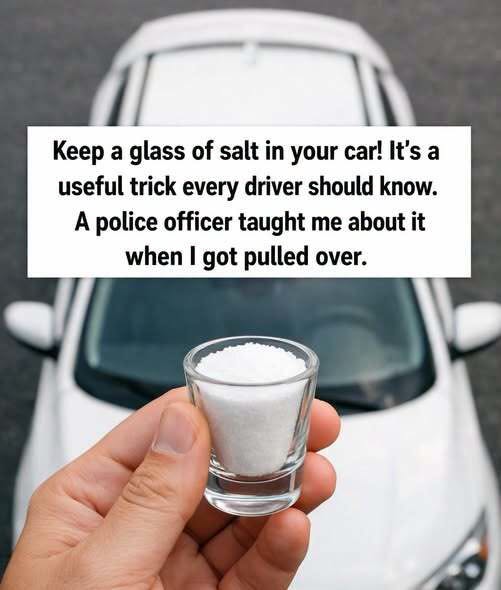
It is a tip that sounds almost too odd to be true: keeping a glass, jar, or container of plain table salt in your vehicle. Viral posts and experienced drivers often claim that this simple trick can save you from a host of seasonal driving headaches, from fogged-up windows to icy windshields and unwanted odors. But does keeping salt in your car actually work, and how can drivers use it safely and effectively?
Whether you are navigating freezing winter conditions, managing excess humidity inside your cabin, or preparing for unexpected road emergencies, table salt and rock salt offer surprisingly versatile benefits for vehicle owners. In this guide, we break down the science behind the salt hack, explore practical automotive uses, and highlight how smart car maintenance can protect your auto investment.
The Science of Salt: How It Helps Drivers
Salt (sodium chloride) possesses natural chemical properties that make it exceptionally useful in automotive environments. It is both a natural desiccant (moisture absorber) and a freezing-point depressant.
1. Natural Moisture and Humidity Absorption
During colder months or rainy seasons, moisture easily enters your vehicle via wet shoes, damp umbrellas, and breath. This elevated humidity settles on cold window glass, causing stubborn fog and interior frost. Salt naturally attracts and absorbs ambient water molecules from the surrounding air. Placing a small container of salt on your dashboard or in a cupholder helps lower cabin humidity levels, preventing interior windshield fog before it starts.
2. Lowering the Freezing Point of Water
Salt dissolves in water to lower its freezing threshold below the standard 32°F (0°C). This chemical reaction is why municipalities spread salt on icy highways. When used around your vehicle, salt prevents liquid water from solidifying into dangerous ice sheets.
Practical Ways to Use Salt in Your Vehicle
To get the most out of salt without creating a mess inside your car cabin, drivers can apply several simple techniques.
+---------------------+---------------------------------------------------------+
| Application         | Primary Benefit for Drivers                             |
+---------------------+---------------------------------------------------------+
| Salt Dehumidifier   | Absorbs interior cabin moisture to stop fogged windows   |
| Emergency Traction  | Provides tire grip on frozen or icy road patches         |
| Odor Neutralizer    | Absorbs stubborn food and dampness smells in upholstery |
| Door Lock De-Icer   | Prevents mechanical lock cylinders from freezing shut   |
+---------------------+---------------------------------------------------------+
Creating an Interior Salt Dehumidifier
Instead of keeping an open glass that could tip over while driving, fill a breathable cloth bag, sock, or a small container with perforated holes with coarse table salt or rock salt. Place it near your windshield or on the rear parcel shelf. Replace the salt every few weeks once it becomes saturated and clumpy.
Emergency Ice Melting and Traction
Keeping a small tub of coarse rock salt or road salt in your trunk can save you if your car gets stuck in snow or black ice. Scattering a handful of salt directly under spinning tires melts frozen slush and creates necessary friction, giving your vehicle the traction required to pull away safely.
Neutralizing Unpleasant Vehicle Odors
Musty smells caused by trapped dampness or spilled food can make driving uncomfortable. Salt naturally absorbs ambient odor-causing moisture. Leaving an open container of salt combined with baking soda overnight neutralizes lingering interior smells.
Automotive Safety and Financial Considerations
Proper vehicle care directly impacts driver safety, vehicle longevity, and financial peace of mind.
Preventing Accidents and Legal Risks
Driving with fogged or frosted windshields severely impairs visibility, greatly increasing the risk of highway collisions. In many jurisdictions, driving with obscured windows can result in traffic tickets, fines, or legal liability in the event of an auto accident. Taking simple steps to maintain clear visibility protects both your physical safety and your driving record.
Insurance Coverage and Vehicle Value Retention
Proper maintenance helps preserve your vehicle’s resale value and avoids costly insurance claims. Excess interior moisture can cause mold growth in carpet fibers, damage sensitive automotive electronics, and accelerate floorboard corrosion. Investing a few dollars in simple moisture management saves money on detailing and interior repairs over time. For drivers facing auto repairs after severe winter weather, exploring vehicle warranty options or personal financing solutions can help cover unexpected maintenance bills.
Essential Winter Driving Tips Every Owner Should Know
-
Always clear all ice and snow off your car roof, hood, and mirrors before driving.
-
Keep a dedicated winter survival kit in your trunk, including a heavy blanket, flashlight, jumper cables, and a small shovel.
-
Check your tire pressure frequently during cold snaps, as colder temperatures lower tire inflation levels.
-
Spray silicone lubricant along door rubber seals to keep them from freezing shut in sub-zero weather.
Fascinating Facts About Salt and Automobiles
-
Rock salt lowers the freezing point of water to approximately 15°F (-9°C), depending on the concentration of the solution.
-
Major highways consume over 15 million tons of de-icing salt every winter in North America alone.
-
Salt crystals have been used as natural odor and moisture absorbers for hundreds of years, predating modern electronic dehumidifiers.
-
Modern windshield wiper fluids rely on alcohol mixtures rather than salt solutions because salt leave dry white residues on glass.
Conclusion
Keeping salt in your car is far more than an urban legend—it is an effective, budget-friendly hack for tackling vehicle humidity, windshield fog, and winter road challenges. By understanding how to store and apply salt safely, drivers can enjoy clearer windows, better traction in emergencies, and a cleaner, more comfortable ride throughout the year.
Frequently Asked Questions (FAQ)
Will keeping salt in my car cause metal parts to rust?
Dry salt in a covered container or cloth pouch will not cause rust. Corrosion only occurs when salt combines with water and comes into direct, prolonged contact with bare metal automotive parts.
How often should I replace the salt inside my vehicle?
Replace or refresh the salt every 3 to 4 weeks, or whenever you notice the salt granules becoming hard, clumpy, or wet from absorbed air moisture.
Can table salt melt ice on my windshield?
Table salt can melt thin ice layers, but it is best used as an air dehumidifier inside the cabin. For outside windshield ice, use a dedicated ice scraper and windshield de-icing spray to prevent scratching the glass.
Is rock salt or fine table salt better for cars?
Coarse rock salt works best for tire traction on snow, while fine table salt or sea salt is ideal for absorbing interior humidity and preventing foggy windows.
