
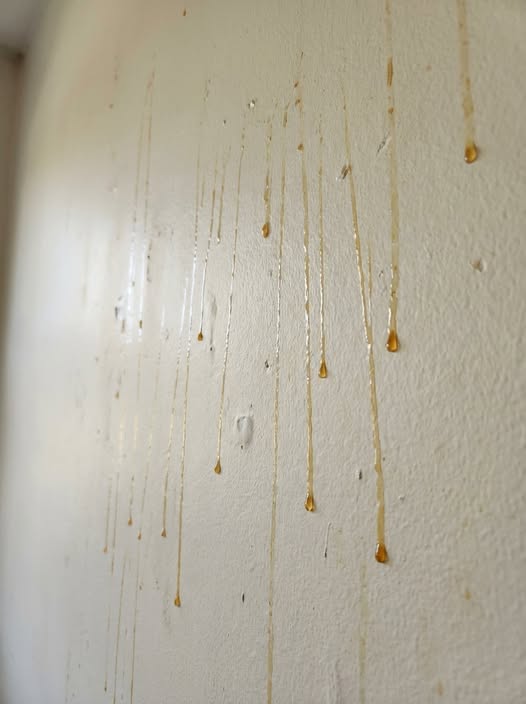
Discovering sticky, golden liquid oozing through your drywalls or plaster is one of the most surprising issues a home property owner can face. While it might look like something out of a movie, honey dripping down interior walls is a genuine phenomenon caused by unseen bee colonies establishing hives within home structures. Beyond the initial shock, this situation raises critical questions regarding home maintenance, pest control, structural integrity, and property damage insurance claims.
In this comprehensive guide, we will explore why honeybees choose house walls, the severe risks associated with melting honeycombs, step-by-step remediation procedures, and how property owners can safeguard their investments and health.
Understanding the Root Cause: Bees Inside Cavity Walls
Honeybees are constantly searching for secure, climate-controlled environments to establish their nests. Wall cavities, soffits, and ceiling voids offer ideal shelter from predators and harsh weather conditions.
How Bees Access Your Home
Bees only require a gap as small as a quarter-inch (6 mm) to enter a structure. Common entry points include:
-
Unsealed gaps around plumbing pipes or outdoor electrical conduits
-
Cracks in brick mortar, stucco, or siding
-
Unscreened attic vents or soffit gaps
-
Gaps around window and door framing
The Formation of the Nest
Once a swarm enters your wall cavity, they immediately begin building wax combs. Over several months, a healthy colony can grow to over 50,000 bees and produce anywhere from 20 to over 100 pounds of honey. As long as the colony remains alive and active, the bees fan their wings to regulate the temperature inside the hive, keeping the wax intact and the honey contained.
Why Does Honey Start Dripping Down Walls?
If honey starts bleeding through drywall or dripping down baseboards, it usually signals that the thermal regulation of the hive has failed.
Colony Collapse or Extermination
The most common trigger for dripping honey is when an exterminator sprays insecticide into the wall or the colony dies off naturally. Without living bees to maintain the hive’s temperature, heat builds up inside the enclosed wall.
Heat and Humidity
During warm summer months, temperatures inside a wall cavity can easily exceed 100°F (38°C). Without cooling from bee wing-fanning, the structural wax combs melt. The honey, no longer contained within wax cells, liquefies and flows downward under gravity, seeping through porous drywall, paint, and baseboard crevices.
The Serious Risks of Ignoring Honey Seepage
Leaving honey inside wall structures leads to extensive, costly home repairs and health hazards.
+---------------------+---------------------------------------------------------+
| Risk Factor         | Potential Impact on Property & Health                  |
+---------------------+---------------------------------------------------------+
| Structural Damage   | Drywall saturation, wood rot, ceiling collapse          |
| Secondary Pests     | Rodent infestations, ants, wax moths, carpet beetles    |
| Mold & Mildew       | Spore growth triggered by liquid moisture retention     |
| Legal & Financial   | Insurance coverage disputes, reduced property valuation |
+---------------------+---------------------------------------------------------+
Secondary Pest Infestations
Honey is a rich sugar source that attracts secondary pests. Once honey drips, it can draw:
-
Rodents (mice and rats) that gnaw through drywall and wiring
-
Ants, yellowjackets, and hornets seeking food
-
Wax moths and carpet beetles that feed on residual comb and bee debris
Mold and Drywall Degradation
Drywall absorbs liquid honey like a sponge. Over time, the organic sugar compounds combine with moisture to foster toxic mold growth. In severe cases, the weight of the honeycombs and weakened drywall can cause entire ceiling sections or wall structures to cave in.
Step-by-Step Remediation Strategy
Resolving a honey dripping emergency requires a dual approach: professional live bee removal and structural wall restoration.
Step 1: Hire a Professional Live Bee Removal Specialist
Avoid using chemical sprays or sealing entry holes while bees are active inside. Trapping bees inside forces them to find alternative exit routes, often into your living space. A licensed, insured live bee relocation expert will use specialized vacuum equipment to safely remove the bees without killing them.
Step 2: Open the Wall and Cut Out the Hive
Simply removing the bees is not enough. The entire physical nest—including honeycombs, brood combs, and wax—must be completely cut out of the framing. Any honeycomb left behind will continue to melt and attract pests.
Step 3: Deep Clean and Deodorize
After removing the comb, the exposed wooden studs and interior framing must be scrubbed, disinfected, and sealed with an odor-blocking primer. This prevents future bee swarms from detecting feromone traces and re-colonizing the same cavity.
Step 4: Drywall Repair and Sealing
Replace damaged drywall, apply fresh insulation, patch exterior entry points with durable metal mesh or caulk, and repaint interior walls.
Financial Considerations and Insurance Coverage
Dealing with structural pest damage can require significant financial investment. Homeowners should understand their coverage options and financial strategies.
Navigating Homeowners Insurance Claims
Many standard insurance policies classify insect infestations as maintenance issues and may exclude damage caused by living pests. However, secondary damage—such as sudden water or structural failure resulting from hidden hive collapse—may qualify for partial coverage under certain legal property clauses. Consulting a legal services attorney or insurance specialist can help you determine your options.
Budgeting and Home Equity Solutions
If extensive structural restoration is needed, property owners often explore home improvement financing options. Secured financial products, such as a home equity loan or personal line of credit, can help cover immediate remediation costs without exhausting emergency savings or retirement funds.
Practical Tips for Preventing Wall Hive Infestations
-
Inspect your exterior siding and chimney flashing annually for gaps larger than 1/4 inch.
-
Install fine mesh screening (1/8-inch hardware cloth) over attic vents and crawl space openings.
-
Trim overhanging tree branches away from your roofline to discourage swarm scouts.
-
Seek immediate professional assistance if you observe consistent insect activity around a single exterior point.
Fascinating Facts About Bees and Honey Construction
-
Honeybees produce wax through specialized glands on their abdomens, consuming approximately eight pounds of honey to produce just one pound of beeswax.
-
Honey is naturally antibacterial and non-perishable due to its low moisture content and acidic pH, meaning honey hidden inside walls can remain sticky for decades.
-
A single honeybee produces only about 1/12th of a teaspoon of honey in its entire lifetime.
-
Bees regulate hive temperatures to precise levels around 93°F to 95°F (34°C to 35°C) to keep offspring healthy and structural wax firm.
Conclusion
Honey dripping down an interior wall is more than an unusual inconvenience—it is a critical property maintenance warning sign. Prompt intervention by professional bee relocation experts and restoration contractors is essential to protect your home’s structural health, prevent secondary pest infestations, and safeguard your long-term property investment. By sealing entry points early and taking proactive home care steps, you can maintain a safe, comfortable, and pest-free living space.
Frequently Asked Questions (FAQ)
Can I just spray pesticide into the hole where bees are entering?
No. Killing the bees inside the wall leaves unattended honey and wax behind, which will melt, destroy your drywall, and attract mice, ants, and carpet beetles. Always opt for full hive removal.
Will dripping honey go away on its own if I let it dry?
No. Honey does not dry out like water; it absorbs ambient humidity from the room, remaining sticky and continuing to run down walls indefinitely until physically cleaned out.
How much does professional hive removal cost?
Costs vary based on hive location and wall access requirements, typically ranging from a few hundred dollars for simple exterior removals to higher amounts when interior wall demolition and reconstruction are necessary.
Does homeowners insurance cover bee nest removal?
Most policies view pest prevention as routine maintenance and do not cover basic removal. However, secondary property damage caused by structural collapse may be evaluated differently by your provider.
