
Slow cookers are one of the most reliable and convenient appliances in modern kitchens. Designed for safe, unattended low-and-slow cooking, appliances like Crock-Pots allow home cooks to prepare delicious soups, stews, and roasts with minimal effort.
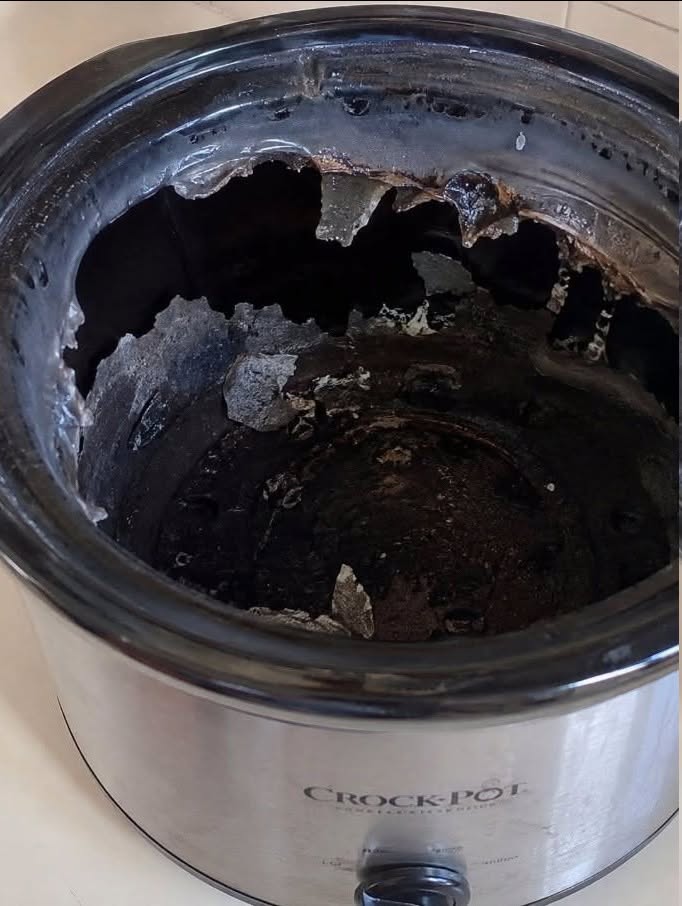
However, under certain conditions, the interior ceramic stoneware insert can crack, fracture, or completely break apart during heating.
In this article, we explain the primary causes of slow cooker ceramic liner failure, highlight crucial kitchen safety rules, and share practical maintenance tips to keep your appliances in top working condition.
What Causes a Slow Cooker Ceramic Insert to Crack?
Ceramic and stoneware inserts are built to withstand high cooking temperatures over long periods, but they remain susceptible to physical stress and sudden temperature swings.
1. Severe Thermal Shock
Thermal shock is the single most common reason ceramic crock inserts fracture. When a cold liquid or frozen ingredient is added directly into a preheated or hot stoneware liner, the rapid local temperature change causes the material to expand unevenly, leading to immediate cracking or shattering.
2. Pre-Existing Micro-Fissures and Hairline Cracks
Dropping, bumping, or banging a stoneware pot during washing can create tiny, invisible hairline cracks. Over time, repeated heating cycles force these micro-cracks to expand until the entire pot gives way.
3. Dry Heating Without Liquid
Slow cookers require moisture to distribute heat evenly across the ceramic surface. Turning a slow cooker on high while empty—or allowing all liquid to boil off completely—creates localized hotspots that exceed the material’s tolerance threshold.
Slow Cooker Kitchen Safety Guidelines
Preventing kitchen accidents and appliance damage requires following a few basic operational rules:
-
Thaw Frozen Foods First: Always defrost meats and frozen vegetables in the refrigerator before adding them to your slow cooker insert.
-
Avoid Sudden Temperature Changes: Never place a hot ceramic insert onto a cold countertop or submerge hot stoneware in cold sink water. Allow the pot to cool completely to room temperature before washing.
-
Inspect the Insert Before Cooking: Periodically check the glazed surface inside and outside the pot for visible chips or cracks. If you notice a fissure, replace the liner immediately rather than risk cooking with it.
How to Clean and Care for Crock-Pot Stoneware
Proper maintenance extends the lifespan of your kitchen cookware:
-
Soak Tough Residue: Fill cooled stoneware with warm water and mild dish soap to soak away burnt-on food remnants instead of using harsh abrasive metal scrubbers.
-
Remove Hard Water Stains: Apply white vinegar or a paste of baking soda to remove mineral buildup or water spots from the glaze.
-
Store Carefully: Store the ceramic pot inside the heating base with the glass lid turned upside down on a paper towel cushion to prevent chipping.
Conclusion
Understanding how ceramic stoneware responds to thermal changes is essential for maintaining kitchen safety. By avoiding sudden temperature swings and replacing damaged liners early, you can enjoy safe, hassle-free slow cooking for years to come!
Frequently Asked Questions (FAQ)
Can you replace just the ceramic pot inside a Crock-Pot?
Yes! Most major slow cooker manufacturers sell replacement ceramic stoneware inserts independently, allowing you to replace a broken pot without buying a whole new appliance base.
Is it safe to put frozen meat in a slow cooker?
Food safety experts recommend thawing meat completely before slow cooking. Cold or frozen meat keeps the crock in the food safety “danger zone” (40°F to 140°F) for too long and increases the risk of thermal shock to the stoneware.
Can a cracked ceramic insert be repaired with glue?
No. Standard adhesives are not heat-resistant or food-safe. A cracked stoneware liner must be discarded and replaced immediately.
