
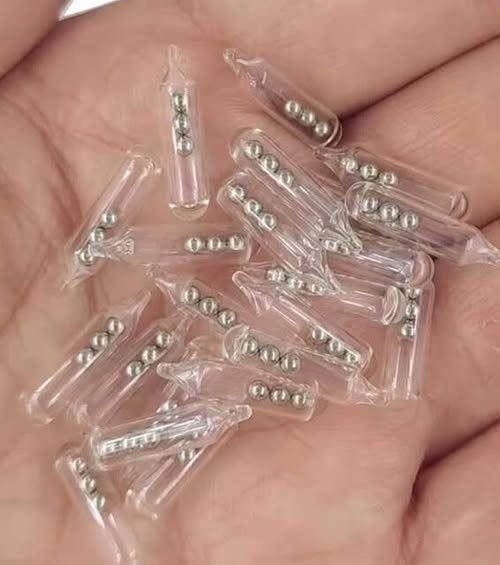
When browsing fishing tackle boxes or outdoor supply stores, you might come across tiny, sealed clear glass capsules containing minute steel or tungsten bearings. While they look like miniature scientific vials, these clever accessories are actually fishing glass rattles (also known as worm rattles or lure rattles).
Engineered to attract game fish in murky water, dense cover, or low-light conditions, lure rattles add an essential auditory element to soft plastic baits and artificial lures.
In this article, we explain how fishing glass rattles work, how to insert them into soft plastics, and why sound plays such a vital role in underwater fishing success.
How Fishing Glass Rattles Work Underwater
Fish rely heavily on two main senses when hunting: sight and lateral line detection. The lateral line is a sensory organ along the sides of a fish’s body that detects subtle movements, vibrations, and pressure changes in the surrounding water.
1. High-Frequency Sound Production
When an angler twitches or retrieves a lure, the small metal balls inside the glass tube bounce off one another and the hard glass walls. This creates a sharp, clicking sound that mimics natural prey, such as crawling crayfish, fleeing baitfish, or snapping shrimp.
2. Amplification in Murky Waters
Glass produces a higher-pitched, sharper click compared to plastic rattles. This distinct sound travels farther underwater, allowing fish like largemouth bass, pike, and walleye to pinpoint the lure even when water clarity is poor or vegetation is thick.
How to Use Glass Rattles with Soft Plastic Baits
Adding rattles to soft plastic lures is quick and easy:
-
Direct Insertion into Plastic: Pointed glass rattles feature a tapered tip designed to push directly into soft plastic worms, creature baits, swimbaits, or tube jigs.
-
Placement Strategy: Push the rattle into the thickest section of the lure (such as the body or tail section) to keep it secure without impeding hook sets.
-
Jig and Silicone Skirt Integration: Anglers also slide these rattles into small rubber collars attached to bass jigs or spinnerbaits.
Choosing Between Glass and Plastic Rattles
While both options add sound to your presentation, key differences determine when to use each type:
-
Glass Rattles: Produce a louder, higher-frequency clicking noise. Ideal for stained water, heavy cover, deep diving setups, and aggressive predatory fish.
-
Plastic Rattles: Generate a lower, duller thud. Preferred in extremely clear, heavily pressured waters where subtle sound presentation works best.
Tips for Maximizing Sound and Lure Action
-
Match Bait Size: Use smaller rattles for delicate finesse worms and larger multi-ball rattles for heavy jigs and swimbaits.
-
Seal Pierced Openings: If a soft plastic bait tears slightly during insertion, apply a tiny drop of soft bait glue to lock the rattle securely in place.
-
Experiment with Cadence: Vary your rod tip twitches and pauses—sometimes rapid clicks trigger reaction strikes, while subtle single clicks work best when fish are cautious.
Conclusion
These tiny glass capsules may look unusual at first glance, but they are one of the most effective secret weapons in a modern fisherman’s tackle box. By triggering a fish’s lateral line and auditory senses, glass rattles turn ordinary plastic lures into irresistible targets!
Frequently Asked Questions (FAQ)
What are glass rattles used for in fishing?
Glass rattles are inserted into soft plastic lures, jigs, or swimbaits to produce sound vibrations underwater, helping fish locate the lure in murky or deep water.
Do glass rattles break easily inside soft plastic lures?
No. Quality fishing rattles are made from thick, durable glass engineered to withstand casting pressure, underwater impacts, and fish strikes without breaking.
Where should you insert a rattle in a plastic worm?
Insert the rattle into the thickest portion of the worm, such as the egg sac or tail base, ensuring it does not interfere with the hook point.
