
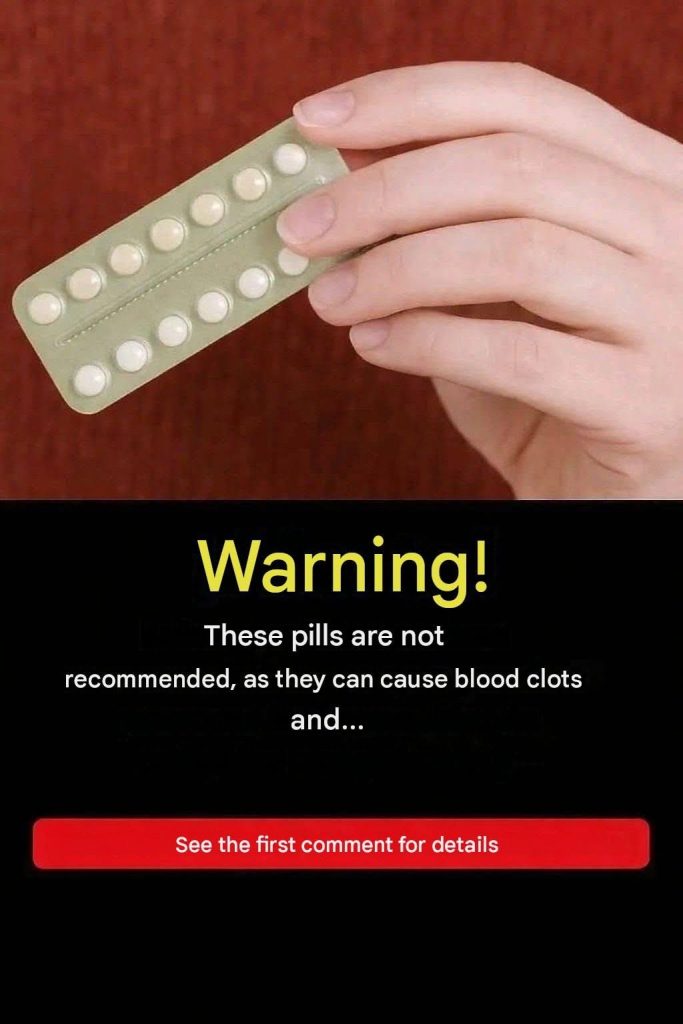
Hormonal contraceptives are among the most widely prescribed medications globally, offering highly effective birth control along with benefits like cycle regulation, reduced menstrual cramps, and acne management. However, public health discussions and medical warnings frequently highlight a well-documented concern: the link between specific birth control pills and an increased risk of developing blood clots, deep vein thrombosis (DVT), and cardiovascular complications.
Understanding the physiological differences between contraceptive formulations empowers women to make informed choices alongside their healthcare providers. Proactive health management is an essential pillar of overall well-being, standing as a fundamental priority alongside securing reliable health insurance, managing personal finance goals, or building a secure investment portfolio for retirement. In this guide, we will analyze why certain birth control pills increase blood clot risks, identify high-risk factors, explore safer contraceptive alternatives, and explain when to seek immediate medical attention.
Understanding the Link: Hormones and Blood Coagulation
The primary link between oral contraceptives and blood clotting lies in the synthetic hormones contained within the pills—specifically estrogen and progestin.
1. The Role of Estrogen
Combined oral contraceptives contain synthetic estrogen (usually ethinyl estradiol). Estrogen stimulates the liver to produce higher levels of plasma clotting factors while simultaneously decreasing natural anti-clotting proteins like antithrombin. This shift creates a mild pro-thrombotic state, slightly raising the statistical risk of blood clot formation in veins.
2. Differing Generations of Progestins
Not all birth control pills carry the same level of risk. Medical research shows that the type of progestin paired with estrogen matters significantly:
-
Second-Generation Progestins (Lower Risk): Formulations containing levonorgestrel carry a lower relative risk of venous thromboembolism (VTE).
-
Third- and Fourth-Generation Progestins (Higher Risk): Formulations containing drospirenone, desogestrel, or gestodene are associated with a slightly higher relative risk of blood clots compared to older formulations.
Taking time to evaluate medical choices and research health options supports long-term physical wellness and individual education.
Key Risk Factors: Who Is at Higher Risk?
While the absolute risk of developing a blood clot on birth control remains low for young, healthy women, specific clinical and lifestyle factors increase the risk significantly:
-
Smoking and Age Over 35: Women over age 35 who smoke face a dramatically heightened risk of serious cardiovascular events, including blood clots, heart attacks, and strokes, when taking combined estrogen-containing contraceptives.
-
Underlying Genetic Conditions: Inherited blood clotting disorders—such as Factor V Leiden mutation, prothrombin gene mutation, or protein C/S deficiency—substantially elevate thrombotic risk.
-
Obesity: Higher body mass index (BMI) places additional pressure on the vascular system and increases baseline clotting risks.
-
Personal or Family History: A personal history or immediate family history of deep vein thrombosis (DVT) or pulmonary embolism (PE) requires careful medical evaluation before starting hormonal contraception.
-
Prolonged Immobilization: Long-distance travel, major surgeries, or extended bed rest increase venous stasis, making temporary discontinuation of estrogen-containing pills necessary in certain surgical settings.
Managing healthcare needs and understanding treatment options is an important part of personal planning, similar to managing a family estate or running a commercial business.
Practical Steps and Safer Contraceptive Alternatives
If you are concerned about blood clot risks associated with your current birth control, explore these practical medical alternatives:
-
Progestin-Only Options (“Mini-Pills”): Pills containing only progestin do not carry the elevated vascular risks associated with synthetic estrogen, making them suitable options for women with higher clot risks.
-
Hormonal or Copper IUDs: Intrauterine devices (IUDs) offer top-tier efficacy. Copper IUDs are completely hormone-free, while levonorgestrel-releasing IUDs act primarily localized within the uterus with minimal systemic hormone absorption.
-
Barrier Methods: Condoms, diaphragms, and non-hormonal tracking methods carry zero risk of vascular or systemic side effects.
-
Schedule an Annual Gynecological Review: Consult your doctor annually to discuss your health history, blood pressure readings, and lifestyle habits to ensure your contraceptive method remains the safest fit.
Navigating medical care decisions, prescription liability, or patient rights often involves consulting specialized health professionals or working with an attorney to handle formal legal services when necessary.
Warning Signs: When to Seek Immediate Medical Attention
Recognizing the warning signs of a blood clot can save lives. Healthcare providers use the acronym ACHES to help patients spot potential complications:
-
A – Abdominal Pain: Severe pain that may indicate a blood clot in the stomach or liver.
-
C – Chest Pain: Sudden shortness of breath, sharp chest pain, or coughing up blood (potential signs of a pulmonary embolism).
-
H – Headaches: Severe, sudden, or persistent headaches accompanied by blurred vision, dizziness, or numbness (potential signs of a stroke or neurological clot).
-
E – Eye Problems: Sudden partial or complete vision loss, blurred vision, or speech difficulties.
-
S – Severe Leg Pain: Swelling, warmth, redness, or throbbing pain in the calf or thigh (signs of deep vein thrombosis).
If you experience any of these symptoms, seek emergency medical evaluation immediately.
Fascinating Facts About Contraceptive Science
-
Risk Comparison: While birth control increases clotting risk, pregnancy and the postpartum period carry a significantly higher baseline risk of blood clots due to natural hormonal surges designed to prevent blood loss during delivery.
-
Continuous Innovation: Advances in medical technology and pharmaceutical research continue to develop lower-dose estrogen formulations and novel non-hormonal options to maximize safety.
-
Personalized Health Profiles: Genetic testing for clotting mutations is increasingly used in clinical settings to tailor contraceptive recommendations for high-risk individuals.
Conclusion
Hormonal contraceptives remain safe and highly effective for the vast majority of women, but awareness of blood clot risks is vital for personal safety. By understanding your personal risk factors, choosing the appropriate pill formulation, and knowing the warning signs, you can protect your reproductive and cardiovascular health. Taking proactive control of your physical well-being is a fundamental investment in your long-term vitality, ensuring safety through every stage of life, including a healthy retirement.
Frequently Asked Questions
Q: Should I immediately stop taking my birth control pills if I am worried about blood clots? A: No. Stopping birth control abruptly can lead to unintended pregnancy or hormonal fluctuations. Continue taking your medication as prescribed and schedule an appointment with your healthcare provider to discuss safer alternatives.
Q: Do all birth control pills cause blood clots? A: Combined pills containing estrogen carry a small risk of blood clots. Progestin-only pills (“mini-pills”) and non-hormonal options do not increase blood clot risks.
Q: How common are blood clots from birth control pills?
A: The absolute risk is small. Out of 10,000 non-pregnant women not taking birth control, about 2 to 4 develop a blood clot each year. For women taking combined birth control pills, that number rises to roughly 6 to 12 out of 10,000 women per year.
Q: Does taking birth control pills increase the risk of high blood pressure?
A: Yes, synthetic estrogen can cause a slight increase in blood pressure for some women. Doctors routinely monitor blood pressure during annual checkups for users of combined oral contraceptives.
