
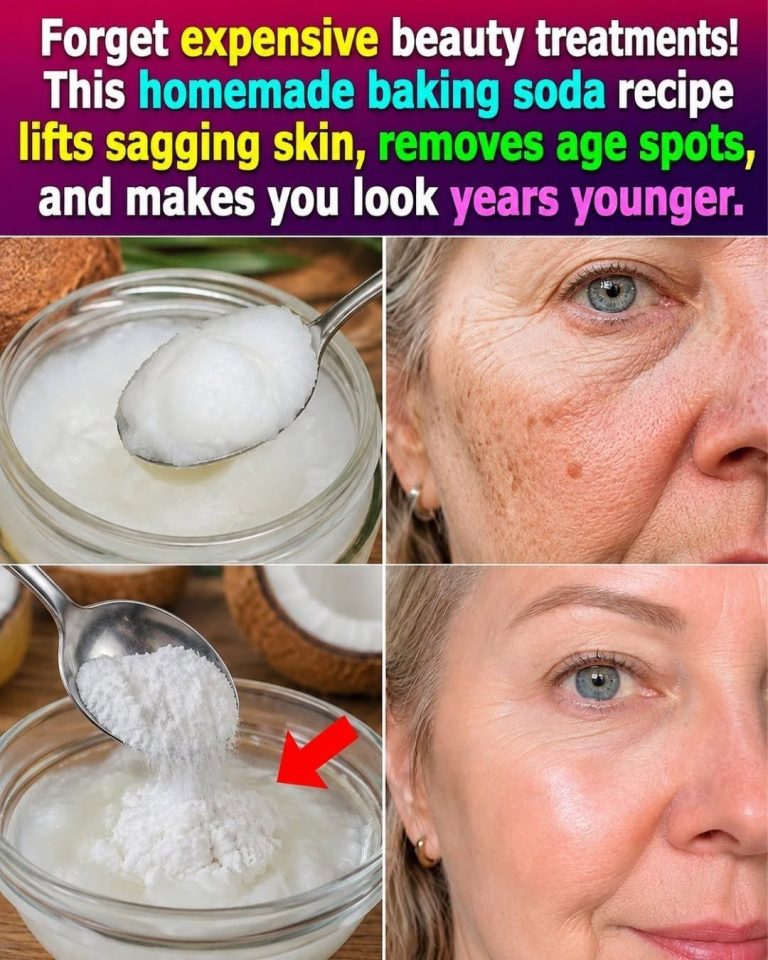
In an era where expensive clinical treatments and luxury skincare regimens dominate the market, natural homemade alternatives continue to captivate millions seeking cost-effective beauty remedies. Among the most popular viral DIY beauty trends is the combination of baking soda and coconut oil. Proponents claim this simple kitchen mixture acts as a miracle mask that can exfoliate, smooth out skin texture, lighten dark spots, and restore a youthful glow.
While natural ingredients often hold a special place in home wellness routines, understanding how these substances interact with delicate facial skin is critical. Navigating the world of home skincare requires a balanced, science-based approach—much like obtaining a solid education before making major decisions, or securing proper health insurance to safeguard your long-term physical well-being. In this comprehensive guide, we will examine the baking soda and coconut oil recipe, explore what science says about its potential benefits and risks, analyze dermatological insights, and present safe, proven alternatives for achieving youthful, radiant skin.
Decoding the Ingredients: Baking Soda and Coconut Oil
To evaluate the effectiveness of this natural mixture, it is essential to understand the chemical properties of both primary components and how they affect the skin barrier.
1. Baking Soda (Sodium Bicarbonate)
Baking soda is a mild alkaline compound commonly used in baking, deodorizing, and household cleaning. In DIY skincare remedies, its tiny crystalline structure serves as a physical exfoliator.
-
Exfoliating Action: When rubbed gently onto the skin, the fine particles help slough off dead surface skin cells, unclog pores, and leave the skin feeling temporarily smooth.
-
The pH Factor: The human skin barrier naturally maintains an acidic pH level ranging between 4.5 and 5.5, which is crucial for keeping harmful bacteria out and locking moisture in. Baking soda has a high alkaline pH of around 9. Using high-alkaline substances on the face can disrupt the skin’s natural moisture barrier, potentially leading to dryness, irritation, or redness if used incorrectly or too frequently.
2. Virgin Coconut Oil
Coconut oil is a rich, natural fat extracted from raw coconuts or dried coconut kernels. It contains essential fatty acids, including lauric acid, which possesses natural antimicrobial and moisturizing properties.
-
Moisturizing Benefits: Coconut oil acts as an occlusive agent, helping to seal in moisture and repair dryness on very dry skin.
-
Comedogenic Scale: Coconut oil ranks relatively high on the comedogenic scale (around a 4 out of 5), meaning it can clog pores for individuals prone to acne or oiliness. However, for those with extremely dry body skin, it provides deep hydration.
When these two ingredients are combined, the coconut oil acts as a soothing base to cushion the physical scrubbing action of the baking soda, creating a rich paste.
How to Prepare the Recipe Safely
For those interested in exploring this DIY treatment as an occasional gentle scrub, proper preparation and moderate usage are key to avoiding skin irritation.
Ingredients Needed:
-
1 tablespoon of organic, cold-pressed virgin coconut oil
-
1 teaspoon of pure aluminum-free baking soda (keep the ratio low on baking soda to prevent excessive abrasion)
Step-by-Step Instructions:
-
Melt and Mix: If the coconut oil is solid, soften it slightly at room temperature. In a small glass bowl, combine the coconut oil and baking soda until a smooth, uniform paste forms.
-
Conduct a Patch Test: Before applying any DIY mixture to your face, apply a small dime-sized amount to your inner forearm or jawline. Wait 24 hours to ensure no redness, itching, or inflammation occurs.
-
Gentle Application: Gently massage the mixture onto clean, damp skin using light, circular motions for no more than 30 to 60 seconds. Avoid the delicate area around the eyes entirely.
-
Rinse Thoroughly: Rinse with lukewarm water and pat dry with a clean towel.
-
Hydrate and Protect: Follow up with a pH-balancing toner, a light hydrating moisturizer, and sunscreen if applied during the day.
Practical Tips for Healthy, Youthful Skin
While home remedies can be fun to try, long-term skin health depends on consistent, evidence-based daily habits. Taking care of your skin is a lifelong investment that pays off in confidence, comfort, and vital appearance.
-
Always Wear Broad-Spectrum Sunscreen: Up to 80% of visible facial aging—including hyperpigmentation, fine lines, and loss of elasticity—is caused by ultraviolet (UV) radiation from the sun. Daily application of SPF 30 or higher is non-negotiable for preserving youthful skin.
-
Incorporate Gentle Chemical Exfoliants: Instead of harsh physical scrubs, consider dermatological ingredients like Alpha Hydroxy Acids (AHAs, like glycolic or lactic acid) or Beta Hydroxy Acids (BHAs, like salicylic acid). These gently dissolve dead skin cells without damaging the physical skin barrier.
-
Prioritize Retinoids: Vitamin A derivatives (retinol or prescription tretinoin) are considered the gold standard in anti-aging skincare. They stimulate collagen production, speed up cell turnover, and help fade dark spots over time.
-
Maintain Deep Internal Hydration: Drinking adequate water throughout the day, eating a balanced diet rich in antioxidants, and securing quality sleep allow your body to repair tissue naturally overnight.
Dermatological Insights: When to Seek Professional Care
Natural home remedies offer budget-friendly options, but severe skin concerns—such as deep hyperpigmentation, cystic acne, or significant loss of skin elasticity—often require professional intervention. Consulting a board-certified dermatologist ensures you receive tailored treatments backed by clinical research.
Medical clinics offer advanced treatments such as laser resurfacing, chemical peels, and microneedling that deliver targeted results safely. When exploring specialized clinical procedures or managing cosmetic medical expenses, many patients look into health finance options or wellness loan products to manage their treatment plans comfortably.
Furthermore, if you ever experience severe adverse reactions to home treatments or products, consulting professional health care providers ensures your recovery is handled properly, keeping your body safe and healthy.
Fascinating Facts About Skincare and Aging
-
Epidermal Turnover: As we age, our natural skin cell renewal process slows down significantly. In young adults, skin cells renew every 28 days, whereas in older adults, the cycle can take 45 to 60 days or longer.
-
Collagen Loss: Starting in our mid-twenties, our bodies naturally produce about 1% less collagen in the skin each year, leading to gradual changes in skin firmness over time.
-
The Skin Microbiome: Your skin hosts billions of beneficial bacteria that protect against pathogens and maintain balance. Using overly harsh soaps or alkaline products can temporarily disrupt this protective ecosystem.
-
Stress and Skin: High levels of chronic stress trigger the release of cortisol, which can break down skin collagen and lead to increased inflammation or breakouts.
Conclusion
The combination of baking soda and coconut oil remains a popular topic among DIY beauty enthusiasts looking for accessible, low-cost home remedies. While the physical exfoliation of baking soda and the richness of coconut oil can leave the skin feeling smooth in the short term, caution and moderation are essential to protect your natural skin barrier. True anti-aging and long-term skin vitality come from consistent sun protection, balanced nutrition, proper hydration, and gentler, dermatologically proven ingredients. Treating your skin with care and informed knowledge is one of the best choices you can make, helping you feel confident and vibrant through every stage of life, from your early career through a fulfilling retirement.
Frequently Asked Questions
Q: How often should I use a baking soda and coconut oil scrub? A: If your skin tolerates it, limit usage to once every week or two. Over-exfoliating can strip natural oils, leading to irritation, redness, and increased sensitivity.
Q: Can baking soda remove age spots permanently? A: Baking soda provides mild surface physical exfoliation, which may temporarily brighten the outer layer of skin, but it does not penetrate deeply enough to destroy melanin clusters or erase deep hyperpigmentation. Chemical exfoliants like vitamin C, retinoids, or laser therapy are far more effective for age spots.
Q: Is coconut oil safe for acne-prone skin? A: Coconut oil is comedogenic and can clog pores for people with oily or acne-prone skin. If you are prone to breakouts, consider lighter, non-comedogenic oils like jojoba, squalane, or rosehip oil instead.
Q: What should I do if my skin burns after applying baking soda?
A: Rinse the paste off immediately with plenty of cool, clean water. Apply a gentle, fragrance-free moisturizer or pure aloe vera gel to soothe the skin barrier, and avoid using any physical or chemical exfoliants for several days.
Q: Does eating a healthy diet improve skin elasticity?
A: Yes! Consuming foods rich in vitamin C, zinc, healthy omega-3 fatty acids, and antioxidants supports natural collagen synthesis and protects skin cells from oxidative stress.
