
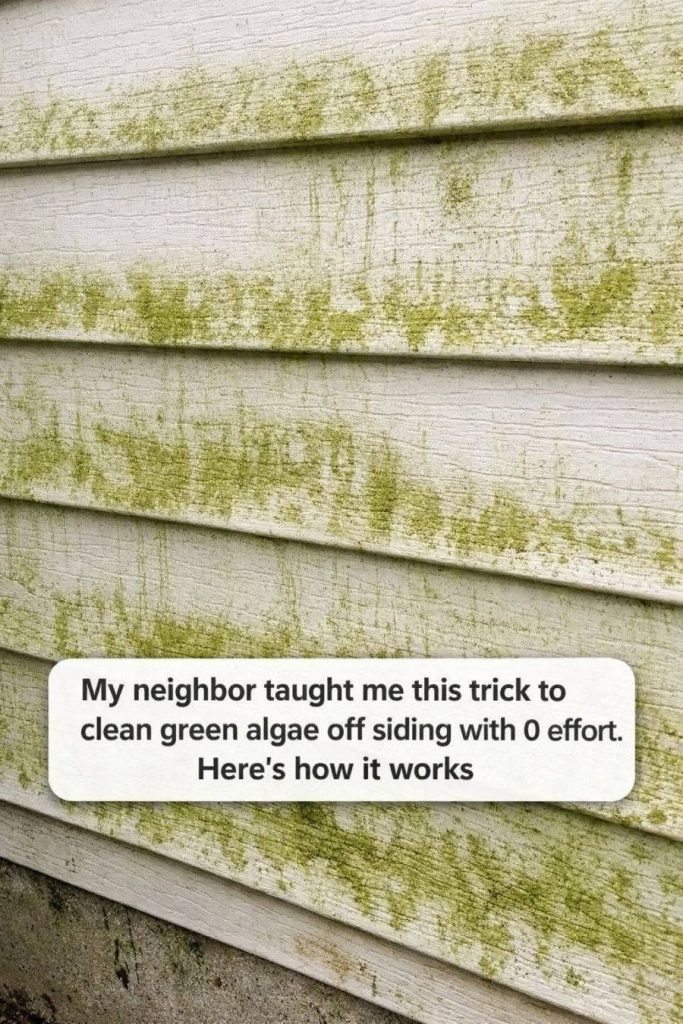
Over time, home exteriors inevitably face exposure to shade, humidity, rain, and ambient moisture. One of the most common cosmetic maintenance issues homeowners face is the gradual buildup of unsightly green algae, mildew, and moss on house siding. Left unchecked, green residue can transform pristine vinyl, wood, or stucco panels into a dingy, neglected surface.
Fortunately, removing green algae does not require hours of aggressive scrubbing or expensive equipment rentals. With the right techniques and simple cleaning solutions, you can restore your home’s exterior curb appeal quickly and safely. In this comprehensive guide, we explore why algae forms on siding, the most effective DIY and professional cleaning methods, and how to prevent it from returning.
Why Does Green Algae Grow on House Siding?
Algae is a photosynthetic microscopic organism that thrives in warm, damp, and shaded environments. Unlike mold or rot, algae feeds primarily on sunlight, water, and organic dust particles settling on exterior walls.
The Role of Sun Exposure and Shade
Algae growth is almost always most severe on the north-facing exterior of a house or areas blocked by dense tree canopies, tall bushes, and roof overhangs. These spots receive minimal direct sunlight throughout the day, allowing moisture from rain, morning dew, or lawn sprinklers to linger on siding panels.
Seasonal Moisture and Humidity
Humid summer conditions combined with spring or autumn rainfall create the ideal breeding ground for algae spores carried through the air. Dirt, pollen, and airborne pollution that settle on textured vinyl siding provide all the nutrients algae needs to spread rapidly.
The Best Effortless Methods to Clean Algae Off Siding
Choosing the right cleaning solution depends on the severity of the growth, your siding material, and your preference for eco-friendly or fast-acting chemicals.
1. The Oxygen Bleach Solution (Eco-Friendly and Plant-Safe)
Oxygenated bleach (sodium percarbonate) is an excellent, environmentally friendly choice that breaks down organic growth without damaging surrounding garden beds, grass, or landscaping.
-
Formula: Mix 1 cup of powdered oxygen bleach per gallon of warm water in a pump sprayer. Add a tablespoon of mild dish soap to help the solution cling to vertical surfaces.
-
Application: Spray liberally onto the dry siding from bottom to top, allow it to sit for 10 to 15 minutes without letting it dry completely, and rinse thoroughly with a standard garden hose equipped with a spray nozzle.
2. The Vinegar and Dish Soap Method (100% Natural)
For light algae buildup or routine maintenance, household white vinegar offers a safe, non-toxic alternative.
-
Formula: Mix 3 parts water to 1 part distilled white vinegar in a bucket or garden sprayer, along with a few drops of liquid dish detergent.
-
Application: Apply evenly across the affected panels, let it penetrate the green layer for 10 minutes, and rinse with water.
3. The Household Chlorine Bleach Solution (Fastest Results)
For severe, thick algae or mildew infestations, diluted liquid chlorine bleach works rapidly to kill spores on contact.
-
Formula: Mix 1 part liquid bleach with 4 parts water in a heavy-duty pump sprayer.
-
Safety Care: Always wet surrounding garden plants with fresh water before and after application to protect them from chemical runoff. Wear protective gloves and eye protection.
Why High-Pressure Power Washing Can Damage Siding
Many homeowners assume that renting a heavy-duty power washer is the fastest way to clean exterior walls. However, professional pressure washing contractors warn against using high PSI settings on residential siding:
-
Water Intrusion: High water pressure can force water behind vinyl panels, beneath lap siding, or into wall cavities, trapping moisture inside structural framing and causing concealed interior mold or wood rot.
-
Cracking and Warping: Excessive pressure can crack brittle vinyl siding, blast off protective paint coatings, or gouge soft wood grains.
-
Soft Washing Alternative: Modern exterior cleaning professionals prefer “soft washing”—using gentle pressure combined with targeted cleaning solutions to break down organic matter effortlessly without risking structural damage.
Practical Tips to Prevent Algae Growth from Returning
Once your siding is clean, taking proactive preventive measures keeps your home looking fresh year-round:
-
Trim Overhanging Trees and Shrubs: Prune back tree branches and dense bushes at least two to three feet away from your home’s exterior walls to allow maximum sunlight and airflow.
-
Redirect Lawn Sprinklers: Adjust irrigation heads so they do not spray water directly onto siding panels during daily watering cycles.
-
Clean Gutters Regularly: Ensure gutters and downspouts are free of debris so rainwater drains properly off the roof rather than overflowing down the side of your house.
-
Perform Annual Rinses: Give shaded siding panels a quick rinse with a garden hose every spring to remove accumulated pollen and dust before algae spores can take root.
Home Maintenance, Property Value, and Long-Term Investment Protection
Maintaining your house exterior goes beyond basic aesthetic pride; it is an essential component of protecting your overall real estate investment. Keeping siding, roofs, and foundations clean prevents premature material degradation, extending the lifespan of your building materials.
Proactive exterior home maintenance also preserves curb appeal, which is crucial when securing home appraisals, applying for home equity loans, or shopping for competitive homeowners insurance coverage. Insurance providers and home inspectors pay close attention to overall property upkeep, and maintaining clean, well-preserved siding protects both your financial assets and long-term resale value.
Frequently Asked Questions
Will green algae ruin vinyl siding if left untreated?
While green algae primarily grows on the surface, prolonged moisture retention can cause permanent staining, discolor paint, or lead to rot in underlying wooden structures beneath the siding.
How often should you clean algae off your house?
Most homes benefit from an exterior cleaning every 12 to 18 months, though heavily shaded properties in humid regions may require annual maintenance.
Is vinegar better than bleach for cleaning siding?
Vinegar is safer for surrounding plants and environment, making it ideal for light algae. Bleach is faster and more effective for heavy, stubborn growth, but requires careful handling around landscaping.
Conclusion
Cleaning green algae off your siding does not have to be an exhausting weekend chore. By applying gentle cleaning solutions like oxygen bleach or vinegar and addressing underlying shade and moisture issues, you can keep your home looking clean, vibrant, and well-maintained effortlessly.
