
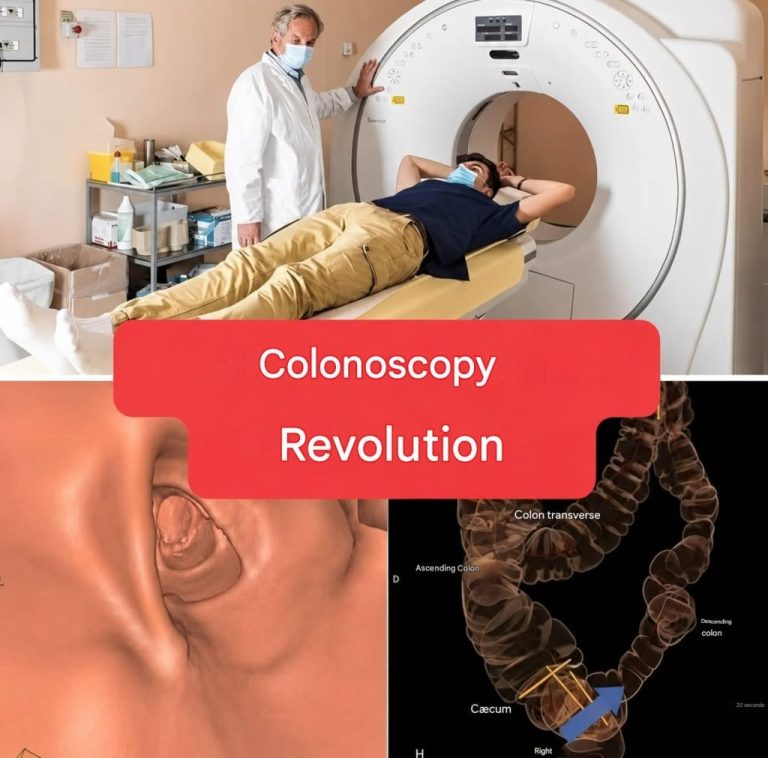
Colorectal cancer screening is one of the most effective preventive measures in modern medicine, allowing physicians to detect and remove precancerous polyps before they develop into serious health complications. While the traditional optical colonoscopy has long been the gold standard, non-invasive screening technologies have transformed diagnostic options for patients worldwide.
A primary advance in non-invasive gastrointestinal imaging is the Virtual Colonoscopy, clinically known as CT Colonography (CTC). Using advanced computed tomography (CT) scanners and 3D imaging software, virtual colonoscopies allow radiologists to construct a complete, highly detailed 3D rendering of the large intestine without inserting a long flexible endoscope through the entire colon.
This comprehensive guide breaks down how virtual colonoscopy works, how it compares to traditional endoscopic screening, its benefits, limitations, and key healthcare considerations.
What Is a Virtual Colonoscopy (CT Colonography)?
A virtual colonoscopy uses low-dose radiation CT imaging to generate cross-sectional 2D and 3D images of the colon and rectum. Specially trained software reconstructs these images, giving doctors a virtual fly-through view of the interior lining of the intestinal tract to check for polyps, tumors, and structural abnormalities.
How the Procedure Works
-
Bowel Preparation: Just like a traditional colonoscopy, patients undergo bowel cleansing the day before the procedure to clear solid waste from the digestive tract for clear imaging.
-
Patient Positioning and Gas Inflation: During the exam, the patient lies on the CT table. A thin, flexible tube is inserted a short distance into the rectum to gently inflate the colon with carbon dioxide gas or air, expanding the folds so polyps are easily visible on the scan.
-
Rapid CT Scanning: The CT scanner rotates around the patient to take images while they lie on their back and then on their stomach. The scanning phase takes only about 10 to 15 minutes.
-
Image Analysis: Radiologists analyze the detailed 3D virtual reconstructions to inspect the ascending, transverse, and descending sections of the colon.
Comparing Virtual Colonoscopy and Traditional Optical Colonoscopy
Both methods serve as valuable tools for detecting colorectal diseases, but key procedural differences exist between them:
Key Advantages of Virtual Colonoscopy
-
Non-Invasive Procedure: Does not require a full endoscopic scope insertion throughout the colon length.
-
No Sedation Required: Patients remain fully awake and conscious during the short procedure, meaning they can drive themselves home and return to work or regular daily activities immediately.
-
Safer for High-Risk Patients: Minimizes risks of colon perforation or bleeding, making it a viable alternative for patients taking blood thinners or those with severe respiratory/cardiovascular issues that make sedation risky.
-
Extracolonic Evaluation: Because it is a CT scan, virtual colonoscopy can simultaneously evaluate structures outside the colon, such as the kidneys, liver, pancreas, and abdominal aorta.
Key Limitations to Keep in Mind
-
Polyp Removal Requires Follow-Up: A virtual colonoscopy can only detect polyps—it cannot remove them. If a doctor detects a polyp larger than 6 millimeters, a traditional therapeutic colonoscopy must be scheduled to remove it.
-
Preparation Is Still Required: Patients must still complete bowel cleansing preparations prior to the examination.
-
Radiation Exposure: Virtual colonoscopy involves low doses of ionizing radiation from the CT scan.
Healthcare Coverage, Insurance, and Financial Considerations
Navigating diagnostic options involves understanding medical recommendations, insurance coverage policies, and preventative care planning.
Health Insurance and Diagnostic Screenings
Understanding coverage criteria for virtual colonoscopy helps patients avoid unexpected medical bills:
-
Preventive Medical Coverage: Standard health and medical insurance policies cover recommended colorectal cancer screenings for average-risk adults starting at age 45. However, while traditional colonoscopies are universally covered as primary preventive care, some private insurance plans and Medicare cover CT colonography only under specific diagnostic conditions (e.g., incomplete prior colonoscopy or high sedation risk).
-
Out-of-Pocket Expenses: Clarifying coverage requirements with your healthcare provider and insurance representative ensures accurate benefit billing.
Financial Planning for Routine Health Care
Proactively scheduling routine preventative care prevents severe health issues and high emergency treatment costs down the line. Managing regular healthcare expenses within a balanced personal finance framework preserves funds dedicated to investment accounts, emergency savings, and retirement goals. If specialized procedures or unexpected out-of-pocket medical bills arise, utilizing structured personal budgeting tools or a low-interest personal loan can assist families in managing short-term healthcare expenses responsibly.
Patient Rights and Legal Protections
Accurate imaging interpretation is essential for early diagnosis. If diagnostic scans or lab findings are misread or overlooked, consulting a medical malpractice attorney or patient advocate clarifies consumer rights and appropriate legal steps.
Tips for Preparing for Your Colon Screening
-
Consult Your Physician: Discuss whether CT colonography or optical colonoscopy is the best choice based on your personal health history, family risk factors, and medical preferences.
-
Follow Bowel Prep Instructions Carefully: Clean stool residue from the colon to ensure clear imaging and accurate detection of small polyps.
-
Check Insurance Pre-Authorization: Confirm coverage terms with your health plan prior to your scheduled CT colonography session.
Conclusion: Expanding Diagnostic Choice for Colon Health
Virtual colonoscopy offers a fast, non-invasive, sedation-free option for colorectal cancer screening. By discussing screen options early with your doctor and completing recommended preventative checkups, you can protect your digestive health and ensure long-term wellness.
Frequently Asked Questions (FAQ)
1. Is sedation required for a virtual colonoscopy?
No. Virtual colonoscopy does not require sedation or anesthesia, allowing patients to drive home and resume normal daily activities immediately after the test.
2. Can polyps be removed during a virtual colonoscopy?
No. A virtual colonoscopy is strictly diagnostic. If polyps or abnormal tissue are found during the scan, a standard optical colonoscopy will be needed to remove them.
3. Does health insurance cover virtual colonoscopy?
Many medical insurance plans cover CT colonography, but coverage policies vary. Some insurers require specific medical reasons (such as an incomplete standard colonoscopy or medical contraindications to sedation) before approving coverage.
4. How long does a CT colonography take?
The imaging scan itself takes only about 10 to 15 minutes, making the overall appointment significantly faster than a traditional colonoscopy.
5. At what age should colorectal cancer screening begin?
Major medical guidelines recommend that average-risk adults begin routine colorectal cancer screening at age 45.
